


Strength where it counts
Work your legs and hips for getting out of chairs and up steps. We use light weights, bands or your own body weight, and bring the equipment.
Exercise physiologist for falls prevention in Sydney
Work on the strength and balance you need to move around your home and get out the front door.
Maybe you've had a fall or a near miss on the back step. Perhaps you now hold the furniture as you walk through the house. We come to you, see how you move and plan exercise around the things you want to keep doing.
Exercise physiology and physiotherapy are on the Support at Home service list. We also see private clients.
A free 15-minute phone call about what's getting harder and whether your funding may cover sessions.
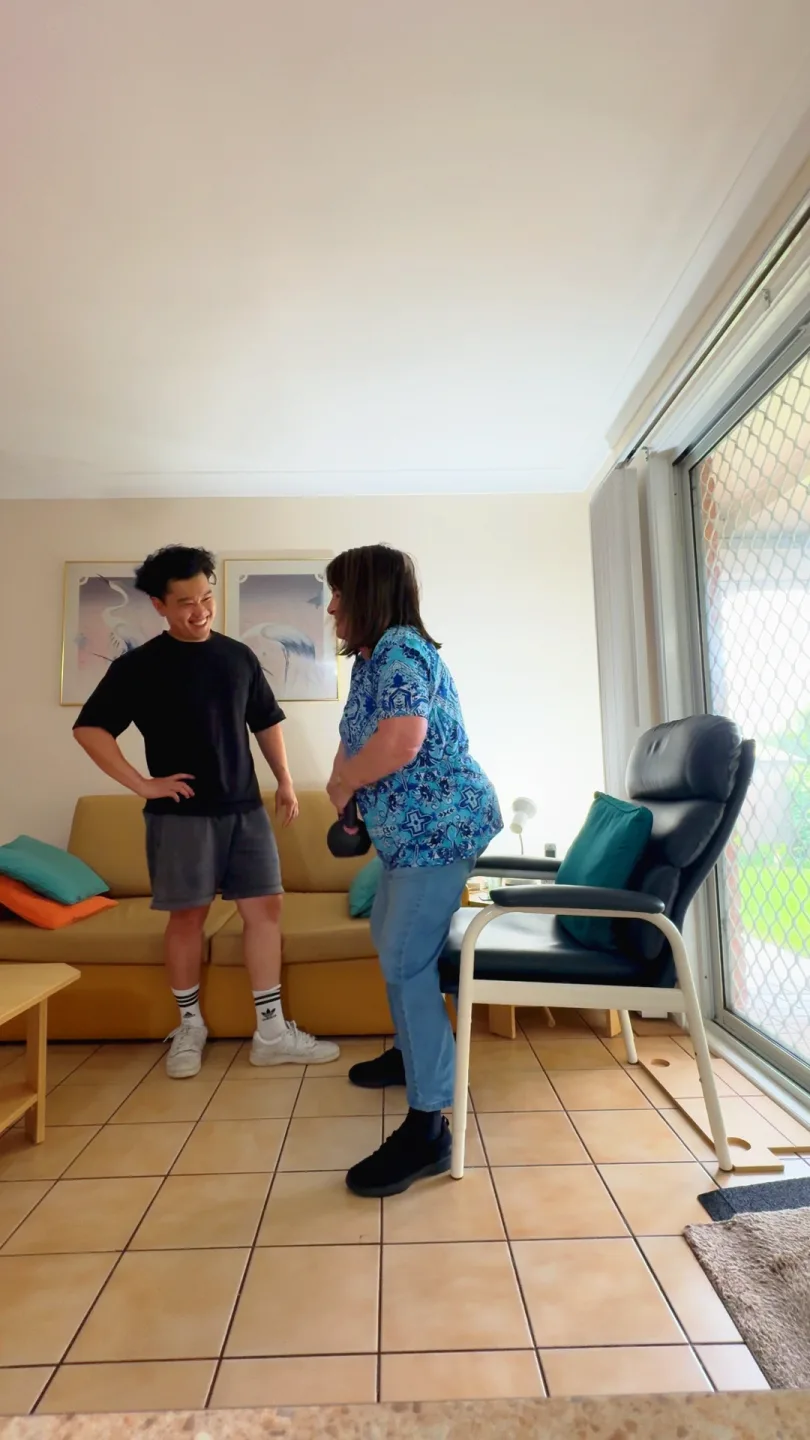

We bring the equipment and practise in the rooms you use every day.

More than 130 families across Sydney have worked with our team on strength, balance and movement.

No GP referral is needed. We'll explain how your funding may cover sessions.
Around half of falls happen in or around the home, during ordinary movements. We practise the movements behind the moments that worry you.
Practise rising from an armchair, the toilet or the edge of your bed, without rocking or pulling on furniture.

Work on turning in the kitchen, stepping into the shower and walking down the hallway at night with more control.

Practise the front steps, the kerb outside the shops and the walk to your letterbox.
A large Cochrane review found that exercise programs can reduce how often older people living at home fall. The clearest results were for balance and functional exercise, with probable benefit when combined with strength work. That's what we focus on.
No program can make falls impossible. Exercise can give your legs and balance more to work with and may help you feel more sure of yourself as you move.
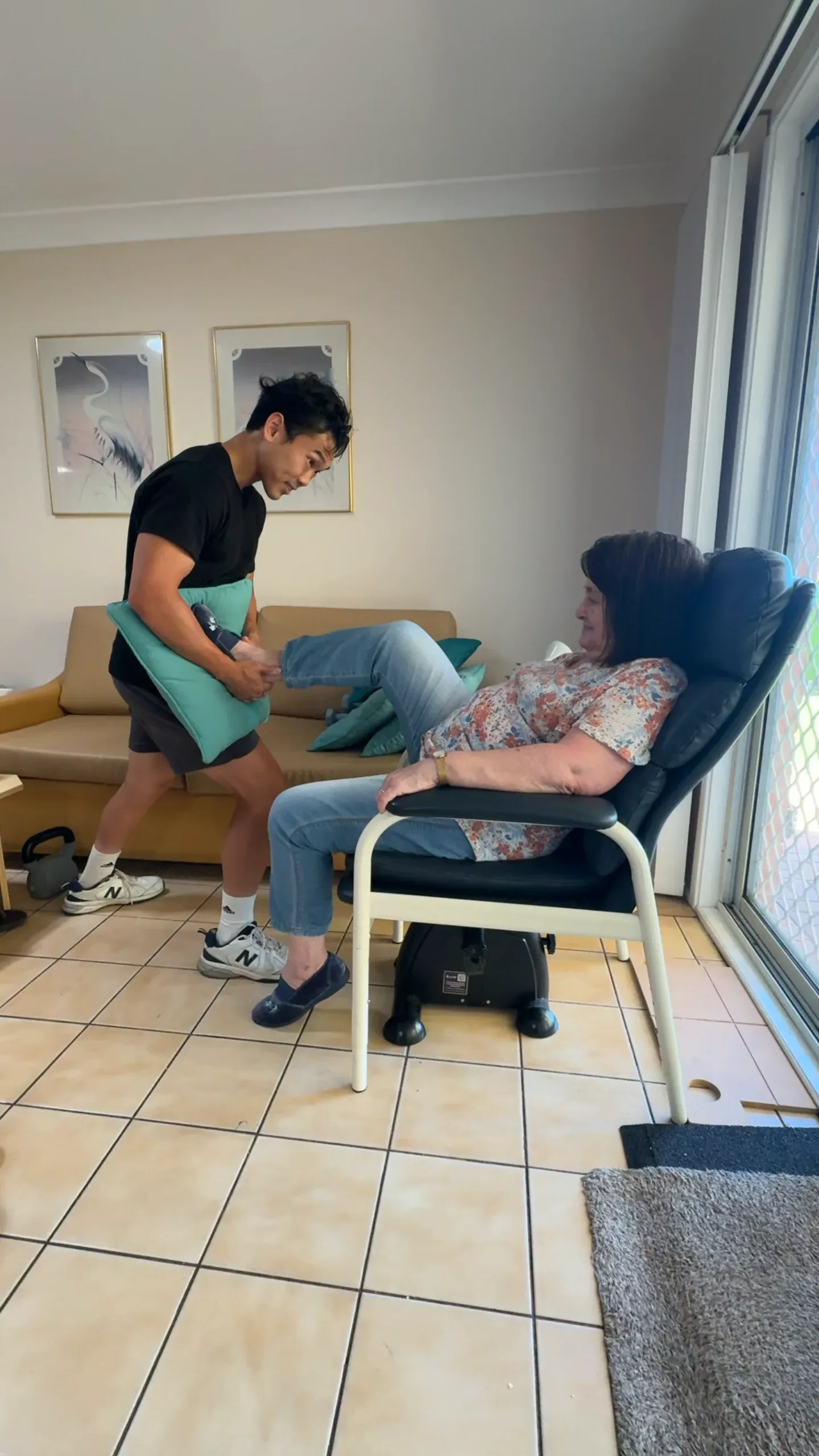
Work your legs and hips for getting out of chairs and up steps. We use light weights, bands or your own body weight, and bring the equipment.

Practise standing, stepping and turning beside the kitchen bench or a sturdy chair. We make the exercises harder as you're ready.

When it's safe for you, we practise getting down to the floor and back up using a chair. We also plan what you'd do if you couldn't get up.

We'll write down a few exercises that fit your day, perhaps while the kettle boils, so you or your family can follow them.
A fall can shake your confidence, even if you aren't hurt. Worry may lead you to do less, which can leave your legs weaker and balance poorer. We take that worry seriously and start at a level that feels safe to you.
We can start seated or with you holding a stable surface, while your clinician stays close. Harder exercises come when you're ready.
It's not too late to practise strength and balance. We choose a starting level that matches how you move today, even if you mostly exercise from a chair.
Your son or daughter can join the first call or a session. Your goals lead, and we'll explain what we're working on so you can stay involved.
We work with the space you have. If we spot a trip hazard, such as a loose mat or dark hallway, we'll mention it and talk it through. Any changes are your choice.
We check how you're moving now, talk about what you want to keep doing and agree on an exercise plan to work through together at each visit.

Tell us about any falls or near misses, what's getting harder and how your funding works. If we're a good fit, we'll arrange a first home visit.

We check your strength, balance and walking at home, look at the chairs, steps and paths you use, and agree on goals with you.
Each visit follows your plan. We make exercises harder as you're ready and check progress against everyday tasks, such as your front steps or the walk to your letterbox.
Exercise physiology doesn't replace your GP. If you've had a fall, it's worth checking with your doctor even if you feel fine. A fall can point to a new health problem or a side effect of medicines. You don't need a GP referral to start with us. With your permission, we can keep your GP up to date.
We stop and suggest you see your GP, or call 000 in an emergency, if you have chest pain, new dizziness or fainting, sudden weakness, or a fall with pain or injury. Before your first session, it helps to share:
 Any falls or near misses in the past year, and what happenedYour medicines, including new ones or recent dose changesHealth conditions, recent surgery and any exercise advice from your doctorThe walking aid you use, and whether you have a personal alarmAny trouble with dizziness, eyesight or your feetWho else is involved, such as your Support at Home provider or an occupational therapist
Drift Health has worked across Sydney for more than 8 years. More than 130 families have worked with our exercise physiologists and physiotherapists.
We work with older people at home and in their local community. We start with how you move now, focus on what you want to keep doing and build from there, one session at a time.
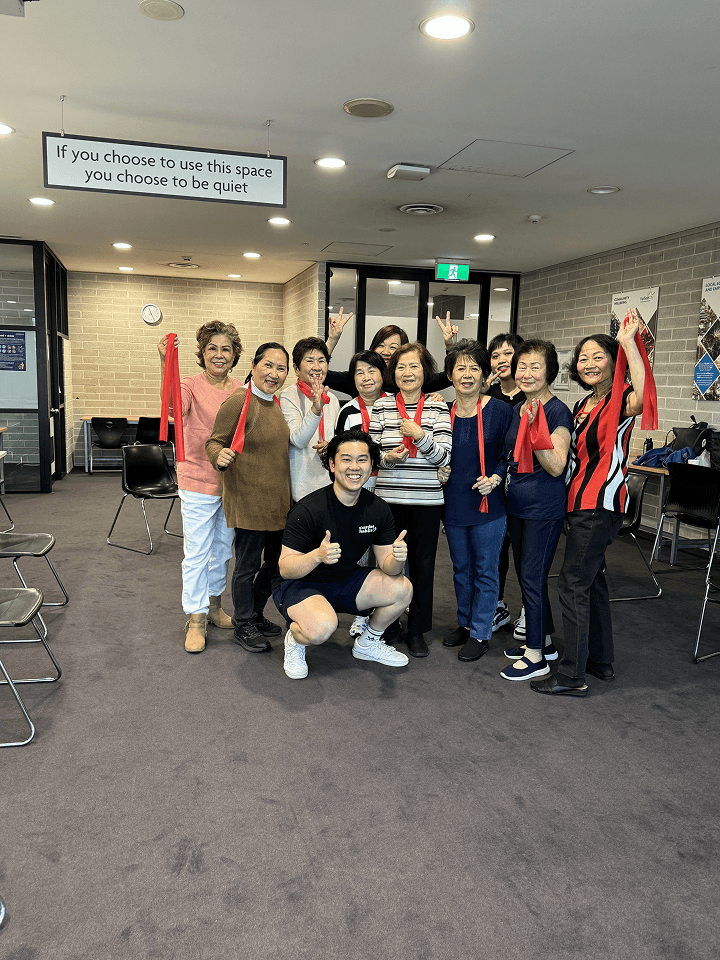
We visit at home so you can practise on your own floors, steps and chairs. Tell us your suburb and the times that suit you, and we'll check availability.

Liverpool, Fairfield, Campbelltown and surrounding suburbs
Blacktown, Parramatta, Penrith and surrounding suburbs
Ashfield, Marrickville, Burwood and surrounding suburbs
Sydney CBD and nearby suburbs
Castle Hill, Kellyville and surrounding suburbs
Miranda, Cronulla, Sutherland and surrounding suburbs
A note from Victor
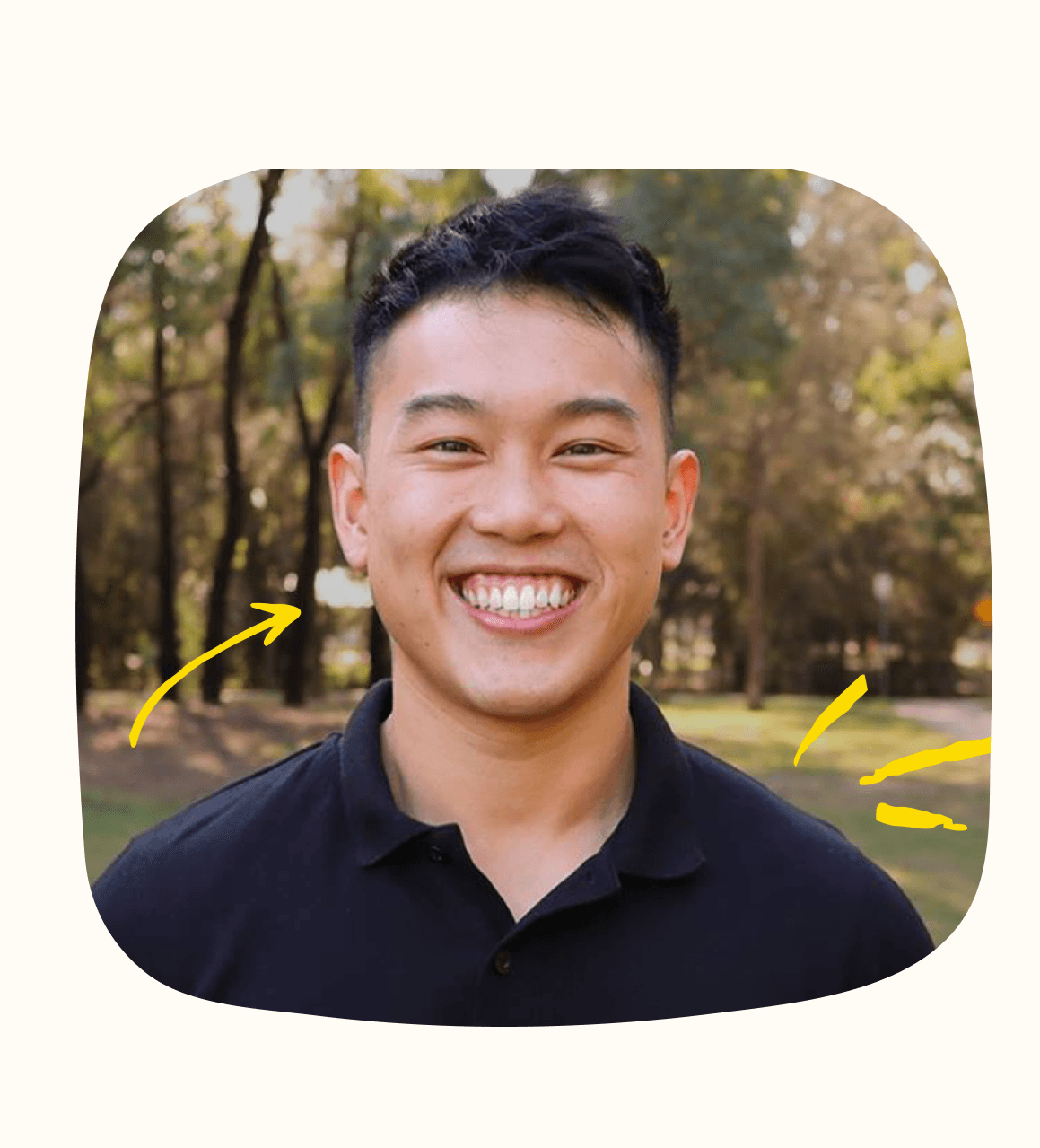
I'm Victor, Director and Head Exercise Physiologist at Drift Health. If you're worried about falling, it can help to practise where it happens: by your armchair, in the hallway or on the back step.
We start with what you want to keep doing, whether that's getting to the shops, pottering in the garden or minding the grandkids. Then we work on the strength and balance behind it. If your son or daughter is helping you look into this, I'm happy to talk with them too.
Support at Home began on 1 November 2025 and replaced Home Care Packages. Exercise physiology and physiotherapy are listed as allied health services. How much you can use depends on your aged care assessment and budget.
Allied health is a clinical support. The government pays the full price, so you don't pay a contribution for these sessions. Your provider confirms how they fit your budget.
You stay with your current Support at Home provider. We ask them to bring Drift Health in as an associated provider. It's their decision, and we'll talk it through with you.
You can see us privately. To apply for Support at Home, you'll need an aged care assessment through My Aged Care on 1800 200 422.
If you were under 65 when you joined the NDIS, you may be able to use your NDIS funding. We work with self-managed and plan-managed participants.
Our exercise physiologists lead most falls prevention work. A physiotherapist may join when pain, a recent injury or surgery needs their input. We'll match you with a clinician who suits your goals and area.
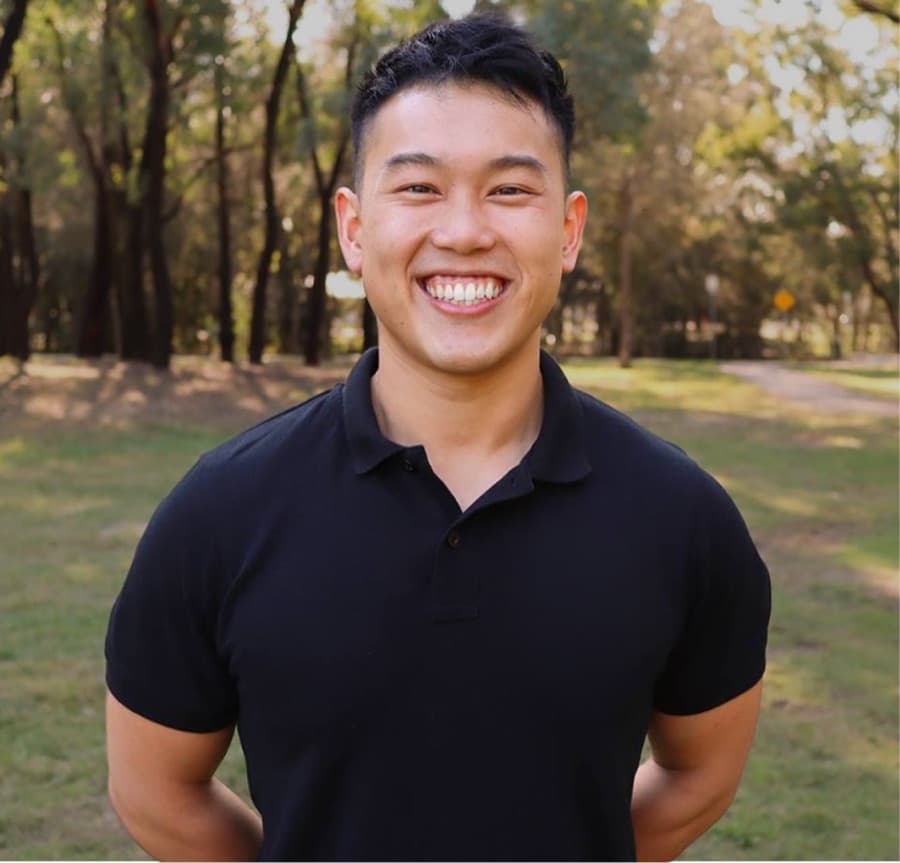
Victor
Director & Head Exercise Physiologist
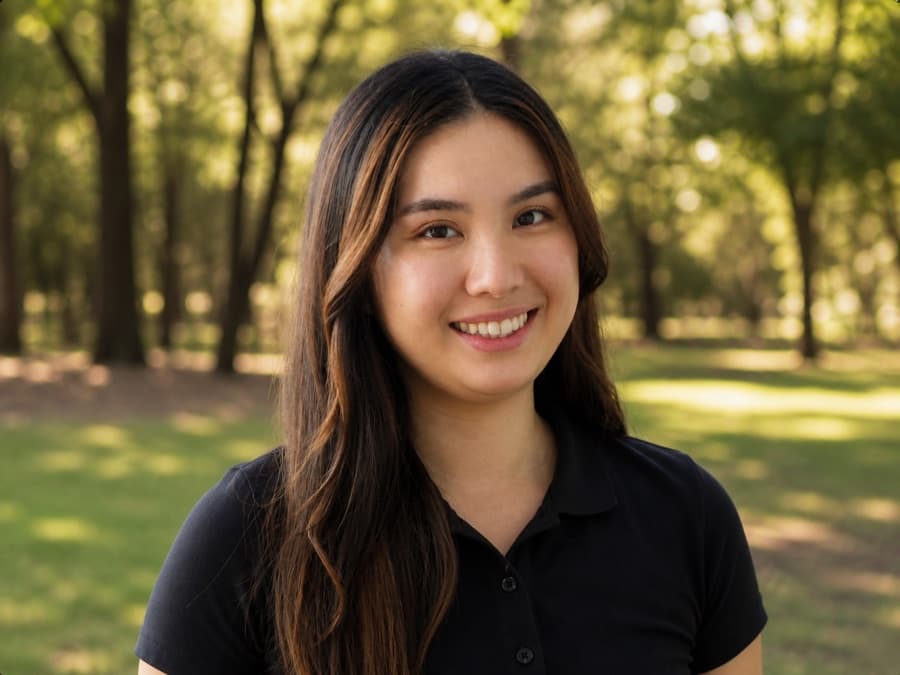
Jennifer
Exercise Physiologist
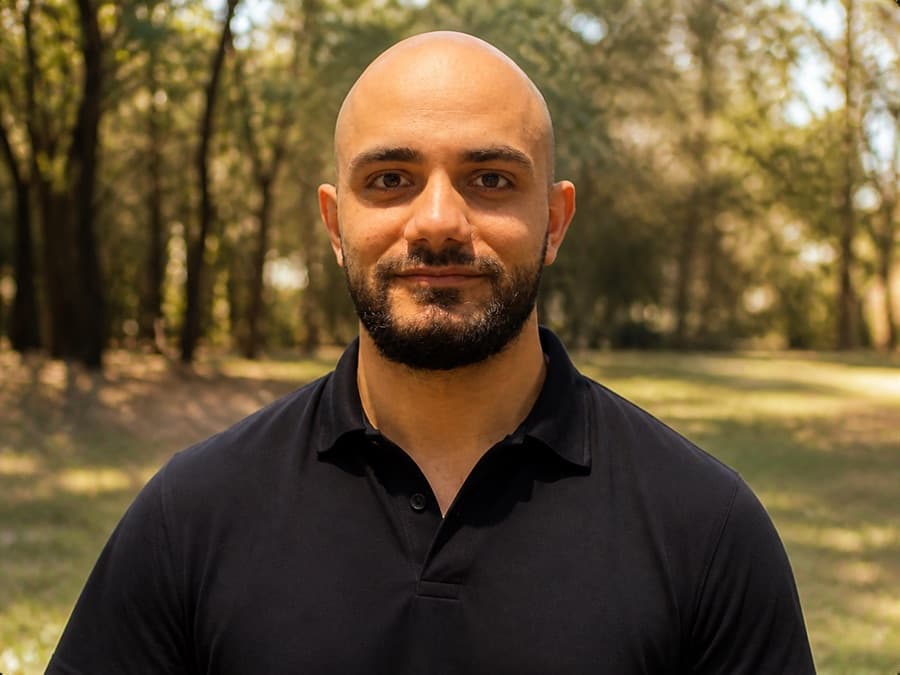
Michel
Exercise Physiologist
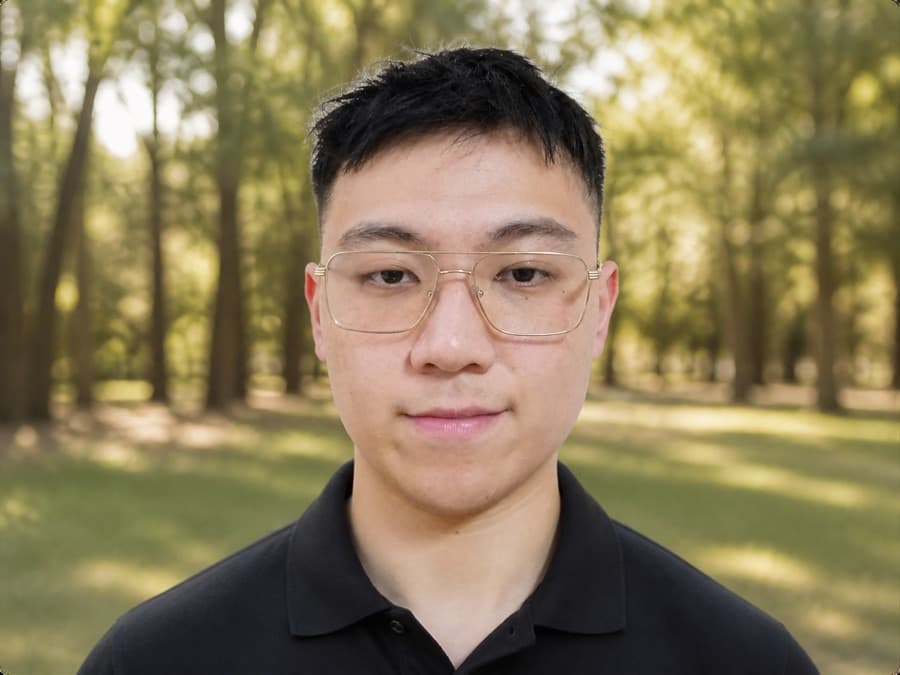
Conan
Exercise Physiologist

Tony
Exercise Physiologist
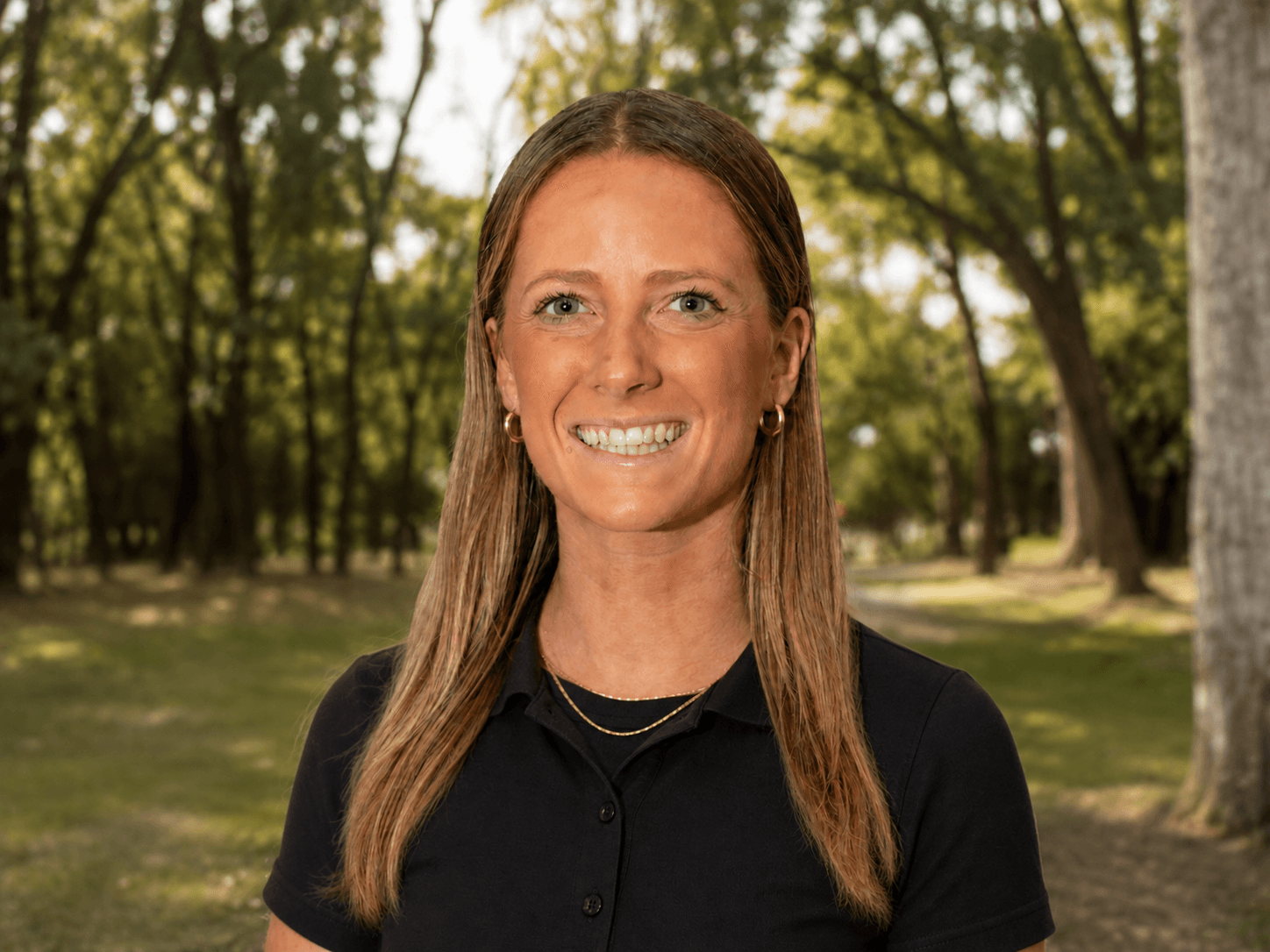
Laura
Exercise Physiologist

Joey
Physiotherapist
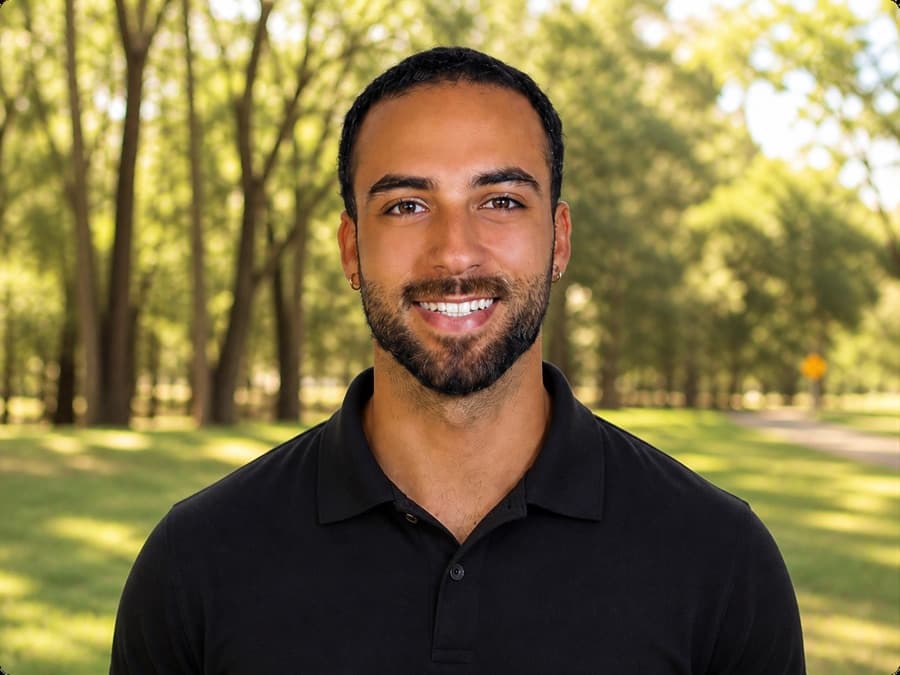
Lucas
Physiotherapist

No one can promise that. Research shows exercise programs, especially those with balance and everyday movement practice, can reduce how often older people fall. We work on the strength and balance behind your daily tasks and will be honest about what we see.
No. You, a family member, your provider or a support coordinator can contact us directly. After a recent fall, we'd still encourage you to see your GP. With your permission, we can share updates with them.
You don't pay a contribution for clinical supports under Support at Home. How much you can use depends on your assessment and budget. You stay with your provider, and we ask them to bring us in as an associated provider.
Yes. Adult children often make the first call. We'll also want to hear from you, because your goals shape the plan. Family are welcome at sessions if you'd like them there.
If it's safe for you, yes. We'll practise getting down and back up using a sturdy chair, then talk through what to do if you can't get up, such as keeping a phone within reach and knowing who to call.
Sessions usually last 60 minutes at home. We'll warm up, practise strength and balance with support close by, then finish with what to keep doing before next time. We bring the equipment. Most people can start within 7 days of the first call.
That's fine. We'll include your walking aid in the plan. If another aid or an occupational therapist review may help, we'll suggest you raise it with your GP or Support at Home provider.
If feeling wobbly or dizzy is the bigger worry, or you're managing arthritis or a new joint, these pages explain how we may help.
Tell us what happened and what you'd like to keep doing. We'll talk about whether exercise may help and how Support at Home funding could cover sessions.
A free 15-minute phone call about what's getting harder and whether your funding may cover sessions.