


We start from your discharge plan
We read your discharge summary, exercise sheet and precautions, then check how you're doing each exercise.
Physio and exercise after joint replacement in Sydney
A physiotherapist comes to you to practise walking, stairs and getting in and out of bed or the car.
Getting home from hospital is a relief. The exercises, precautions and walking frame can still feel like a lot to manage. Our physiotherapists visit you and work through the plan from your surgeon and hospital, one step at a time.
Later, an exercise physiologist can help you keep building strength for the things you want to get back to. Use Support at Home funding if it applies, or see us privately.
A free 15-minute phone call about your recovery and whether your funding may cover sessions.
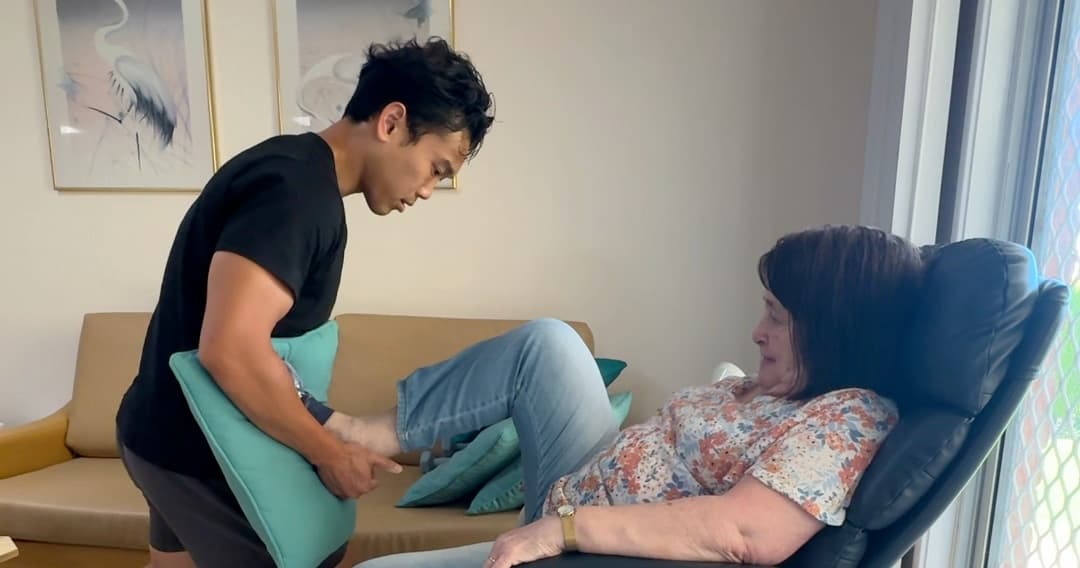

We follow your surgical team's protocol and precautions, and work within them.

More than 130 families across Sydney have worked with our physiotherapists and exercise physiologists.

We bring the equipment to you, so you don't need a car trip while getting in and out of the car is still hard.
The first weeks at home are about the everyday moves that help your day run. We practise with your bed, chairs and steps, so the exercises relate to your home.
Practise getting in and out of bed, standing from your favourite chair and getting into the passenger seat, within your precautions.

Walk safely with your frame or crutches. Move to a stick or beyond only when your surgical team says it's time.

Learn how to use the stairs or front steps with your rail and walking aid, then build the strength to manage them more easily.
Your surgeon and hospital team know your operation best. We help you follow their plan at home, check how you're going and work towards the goals that matter to you.
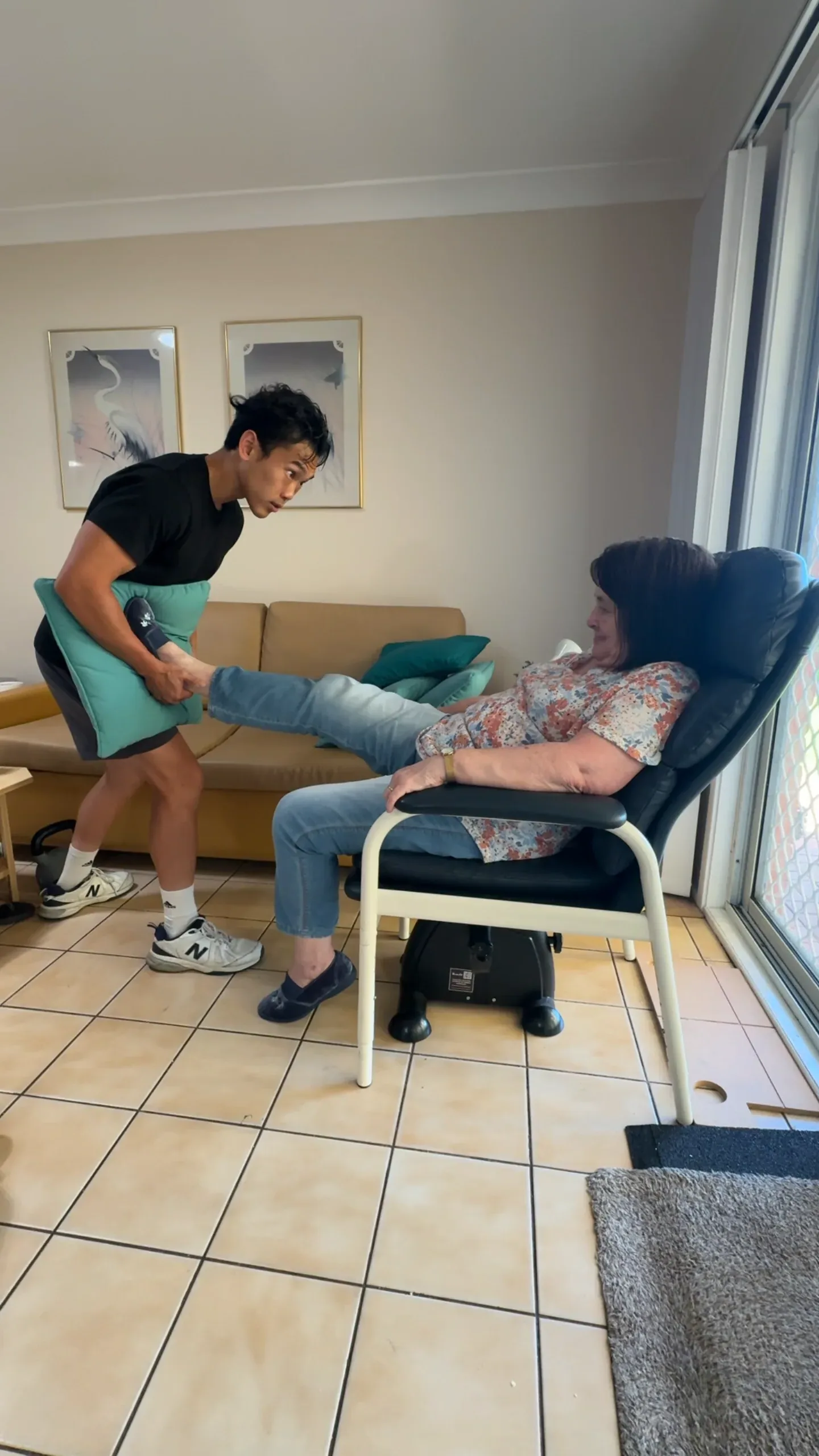
We read your discharge summary, exercise sheet and precautions, then check how you're doing each exercise.

We build exercises and walking distance within your weight-bearing and movement instructions, never ahead of them.

We look at your bed, chairs, bathroom and steps, then practise the movements you need in those spaces.

Recovery can continue for months. Once early rehab is done, an exercise physiologist can keep working with you on leg strength, balance and fitness.
It can feel uncertain when you first get home. Here are some worries we hear, and how we work with you.
That's a common fear. We'll explain your precautions in plain language, show you how to do each movement and progress only within what your surgical team has cleared.
Good. We'll use them. We can check your technique, help fit them into your day and update them in line with your surgical team's plan as you recover.
We'll come to you. You don't have to manage the car, the walk from the car park or a waiting room while you're still finding your feet.
We'll show you and anyone helping how to practise safely between visits, and what to look out for. With your permission, we'll keep your family updated.
We check how you're going since surgery, talk about what you'd like to get back to and work through your rehab plan with you at each visit, within your surgical team's instructions.

Tell us which joint was replaced, when you had surgery and what the hospital sent home with you. We check how you're walking, moving and managing at home.

Your physio guides the exercises, walking and daily movements set by your surgical team. We build on them as you're cleared to do more.
As you get stronger, we can work towards your goals, such as walking to the shops, gardening or time with the grandkids. An exercise physiologist can support your ongoing strength work.
We follow your surgeon's and hospital's protocol; we don't replace it. Your surgical team and GP stay in charge of your recovery. With your permission, we'll contact them if something doesn't look right.
If your calf becomes red, swollen or painful, or you're short of breath or have chest pain, go straight to the emergency department or call 000. Contact your surgical team or GP about any change in the wound, a fever, or pain and swelling that's getting worse. Before you start with us, it helps to share:
 Your operation date, which joint and your surgeon's detailsYour discharge summary and the exercise sheet the hospital gave youAny movement precautions and how much weight you can put through the legYour medicines, including blood thinners and pain reliefThe walking aids and equipment you're using at homeDates of your follow-up appointments with the surgeon
Drift Health has worked across Sydney for more than 8 years. More than 130 families have trusted our physiotherapists and exercise physiologists with their goals.
After joint replacement, it helps to have someone check your exercises, keep progress within your surgeon's plan and agree on a goal for when the early weeks are over.
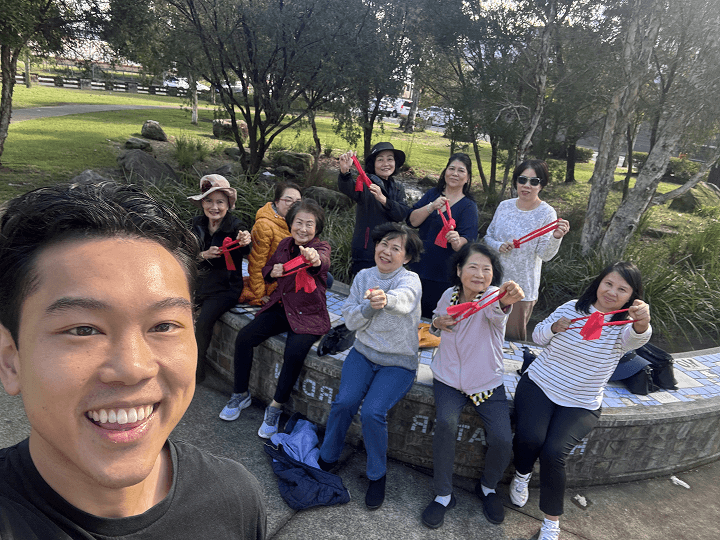
We visit at home while getting out is hard. Later, we can move to a nearby park if you'd like to practise walking outside. Tell us your suburb and when you're due home from hospital.

Liverpool, Fairfield, Campbelltown and surrounding suburbs
Blacktown, Parramatta, Penrith and surrounding suburbs
Ashfield, Marrickville, Burwood and surrounding suburbs
Sydney CBD and nearby suburbs
Castle Hill, Kellyville and surrounding suburbs
Miranda, Cronulla, Sutherland and surrounding suburbs
A note from Victor
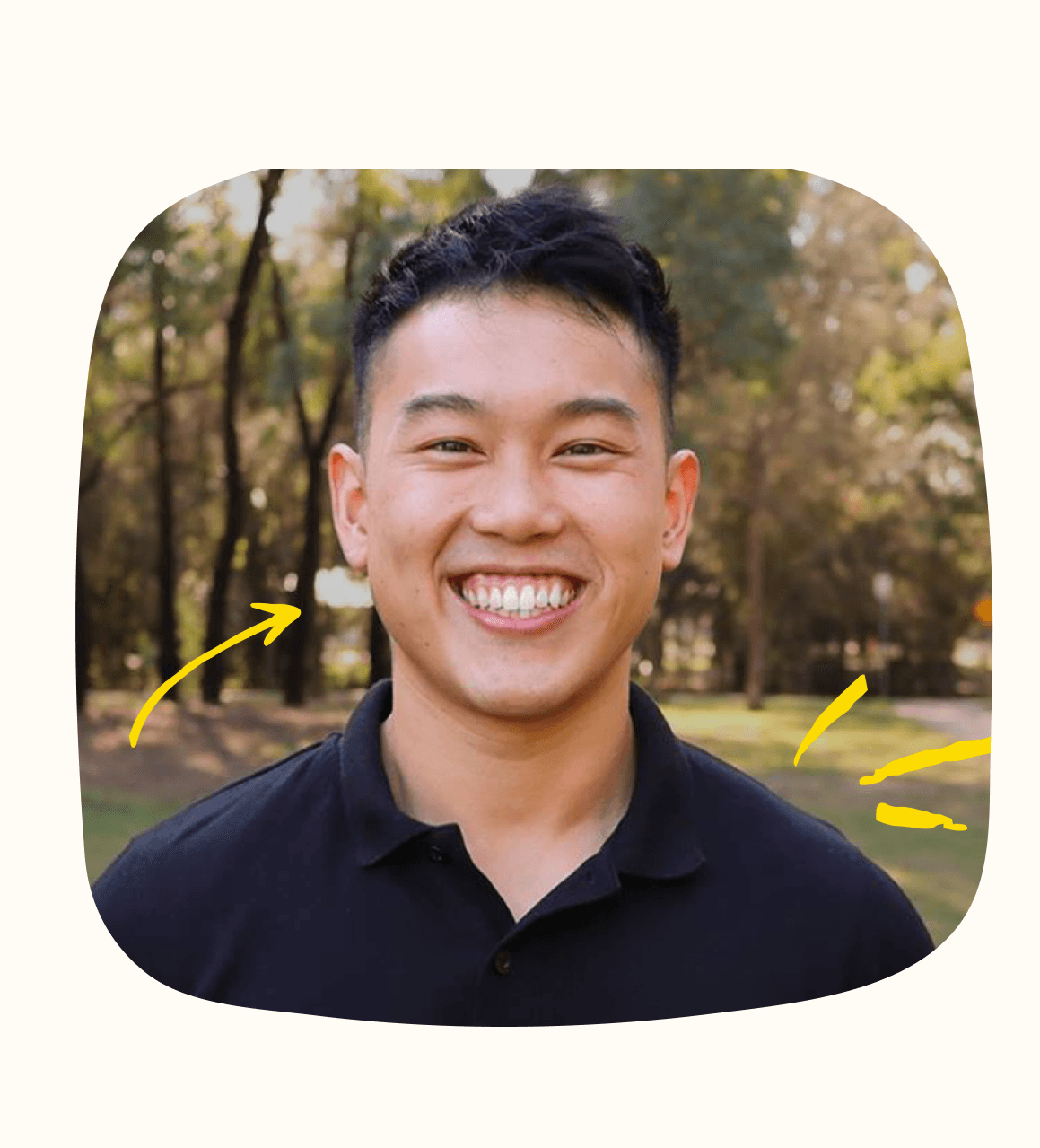
I'm Victor, Director and Head Exercise Physiologist at Drift Health. Our physiotherapists lead early rehab after surgery and follow your surgical team's plan. After that phase, an exercise physiologist can work with you on strength and fitness for the things you enjoy.
We start by asking what you'd like to get back to. It might be the walk to the shops, gardening or getting down on the floor with the grandkids. If your family is helping you recover, they're welcome to join the conversation.
Physiotherapy and exercise physiology are on the Support at Home list of allied health services. What's available depends on your aged care assessment and budget. You don't need a GP referral to see us.
Allied health is a clinical support. The government pays its full price, so you don't pay a contribution for it. Sessions still come from your budget, and your provider confirms how they fit.
You stay with your current Support at Home provider. We ask them to bring Drift Health in as an associated provider. It's their decision, and we'll let you know what they say.
You can see us privately while you recover. To apply for Support at Home, you'll need an aged care assessment through My Aged Care on 1800 200 422.
On the NDIS? If you joined before turning 65, you may be able to use your funding with us if your plan is self-managed or plan-managed.
How NDIS funding works with Drift HealthOur physiotherapists lead rehab after joint replacement. Later, our exercise physiologists can work with you on strength and fitness. We'll match you with someone who suits your recovery and area.
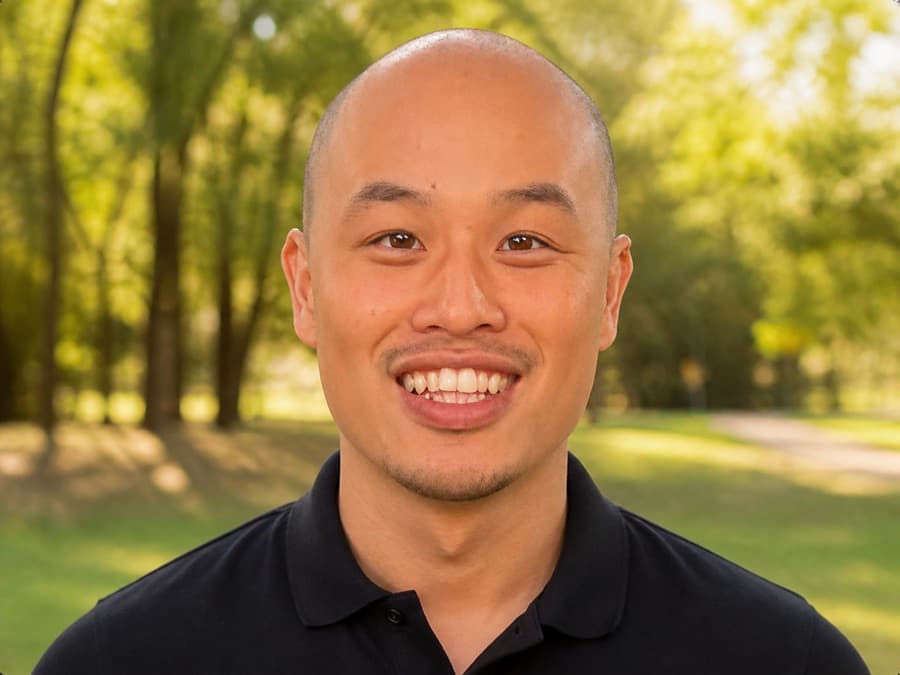
Joey
Physiotherapist
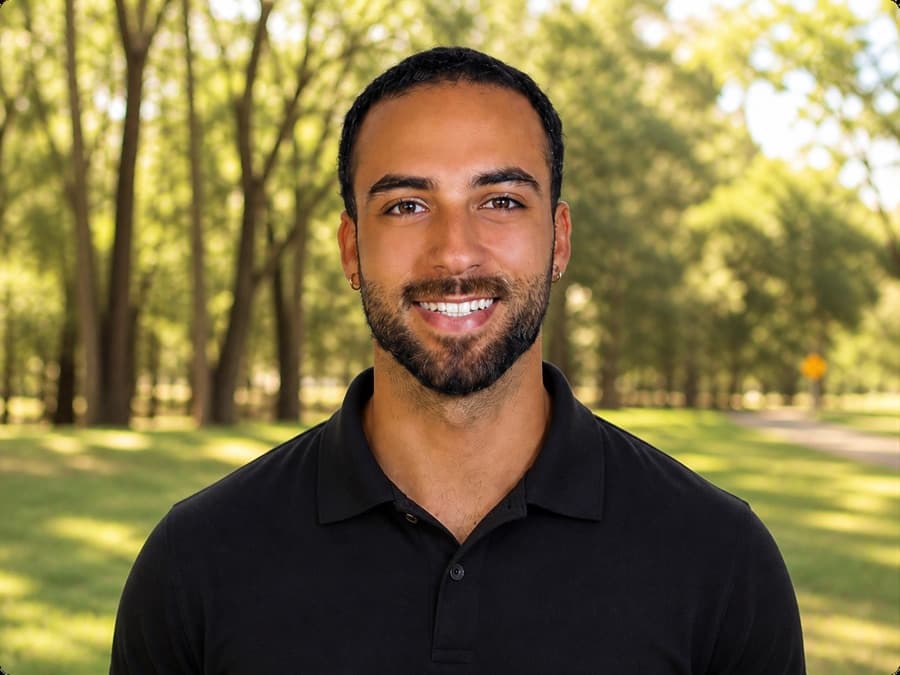
Lucas
Physiotherapist
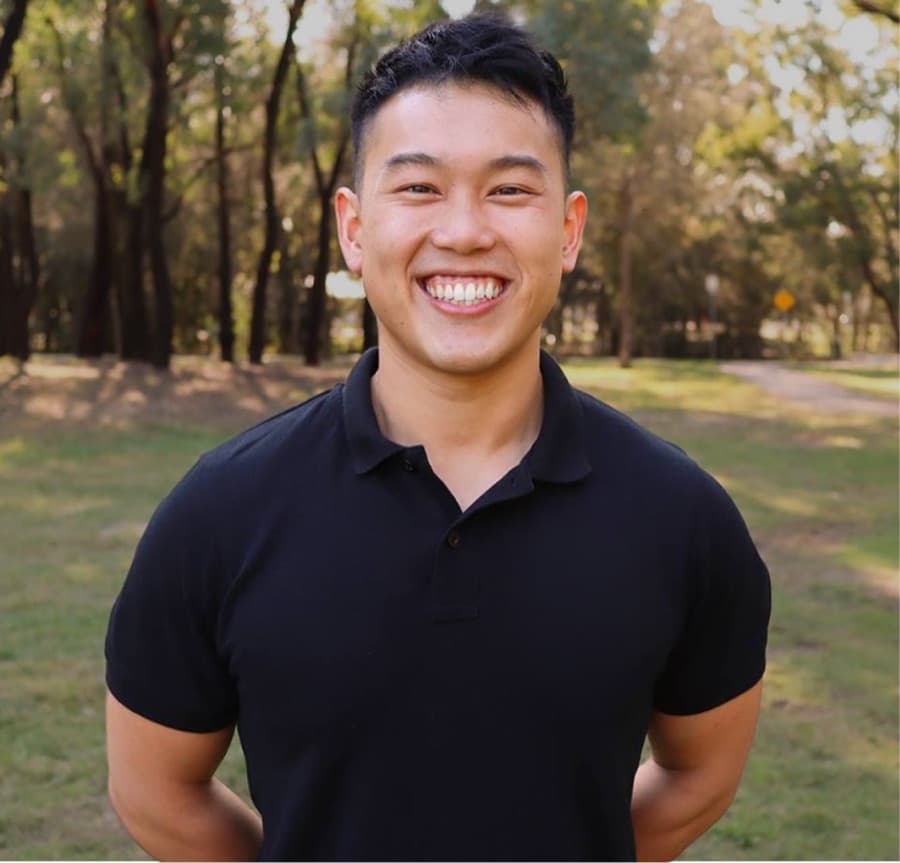
Victor
Director & Head Exercise Physiologist

Jennifer
Exercise Physiologist
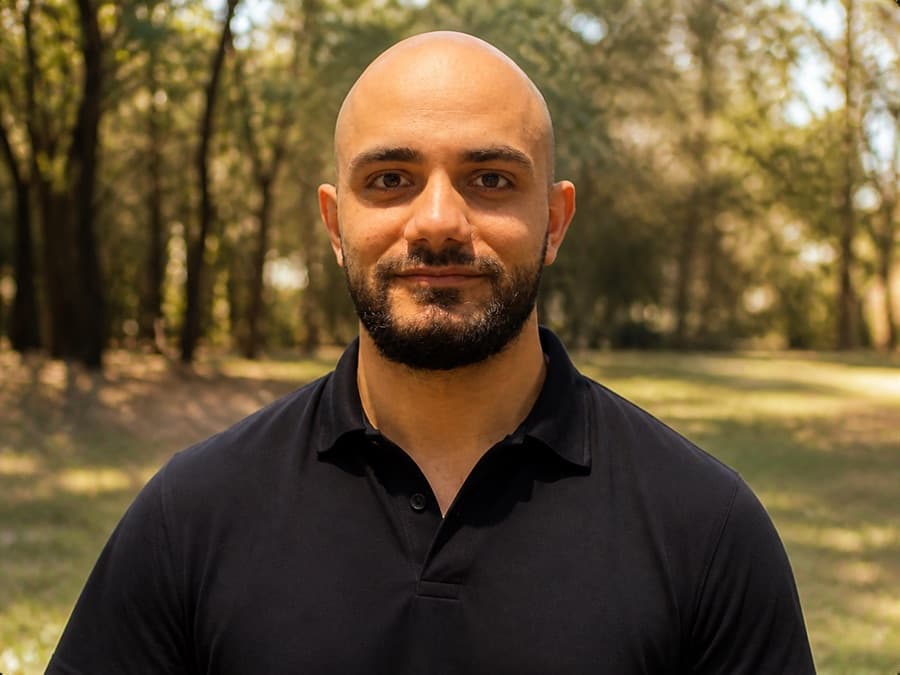
Michel
Exercise Physiologist
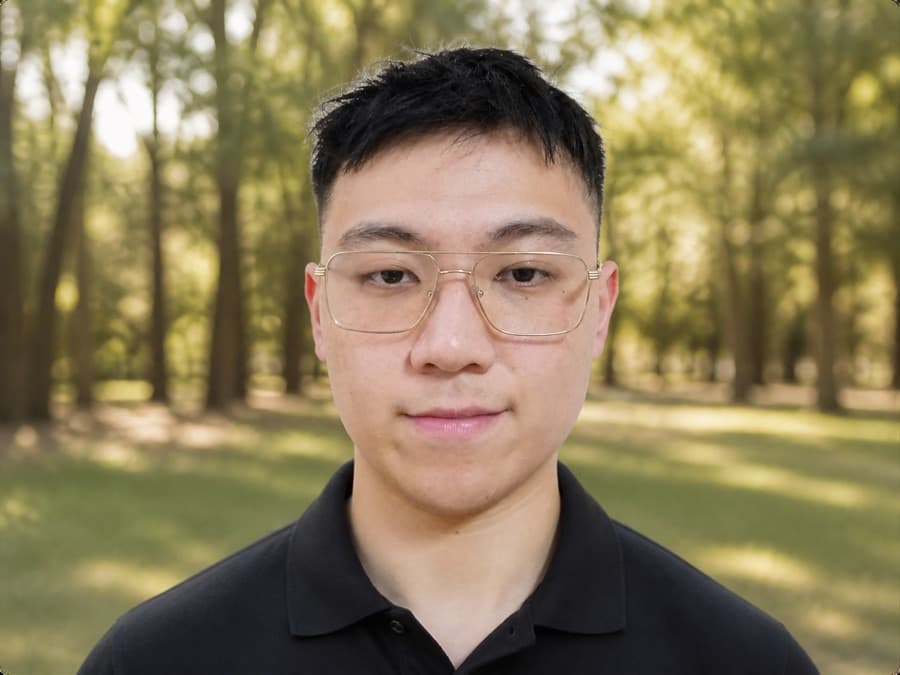
Conan
Exercise Physiologist

Tony
Exercise Physiologist
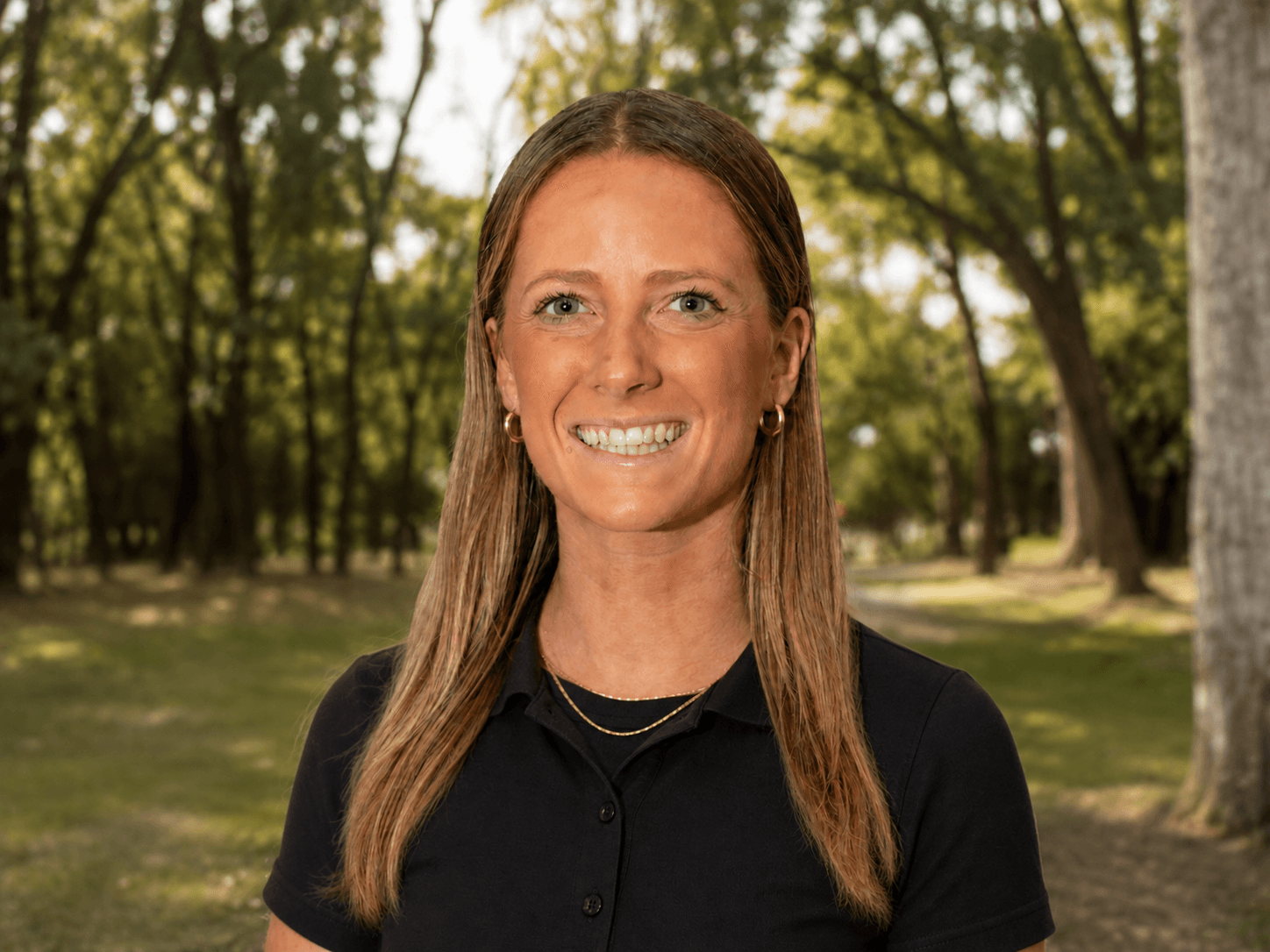
Laura
Exercise Physiologist

Most people can start within 7 days. We reply to enquiries within 2 business days. Your surgical team decides when home rehab should begin and what it should include, so we'll ask what they've recommended.
Yes. We'll work from your discharge plan, exercise sheet and precautions, and progress only within what your surgeon and hospital have cleared. We don't replace their instructions.
Both, at different stages. A physiotherapist leads early rehab after surgery. Once that phase is done, an exercise physiologist can help you keep building strength, balance and fitness for activities you enjoy.
Go straight to the emergency department, or call 000 if you're short of breath or have chest pain. These can be signs of a blood clot. For wound changes, a fever, or worsening pain and swelling, contact your surgical team or GP.
Yes, if it's included in what's available through your assessment and budget. You don't pay a contribution for clinical supports. Support at Home also has a short-term Restorative Care Pathway for allied health to help regain function. Ask My Aged Care or your provider whether it applies to you.
No referral is needed. We do ask for your discharge summary and any precautions so we can follow your surgical team's plan.
You may also be managing arthritis in other joints or worrying about falls. These pages explain the support we offer for those concerns.
Tell us about your operation, when you're home and what you'd like to get back to. We'll talk through home physio and whether your funding may cover it.
A free 15-minute phone call about your recovery and whether your funding may cover sessions.