


Standing balance, made harder slowly
We may start with your feet apart and a hand on the bench, then try closer foot positions, head turns or reaching, only while you stay steady.
Exercise physiologist for balance disorders in Sydney
Work on feeling steadier when you turn, reach and walk outside, starting with balance and strength practice at home.
Maybe you're touching the walls as you walk, avoiding the uneven path to the shops or sitting down to get dressed. We look at where you feel unsteady and practise those movements with you at home or in your neighbourhood.
If dizziness is part of it, we'll talk about getting it checked first.
A free 15-minute phone call about what's getting harder and whether your funding may cover sessions.
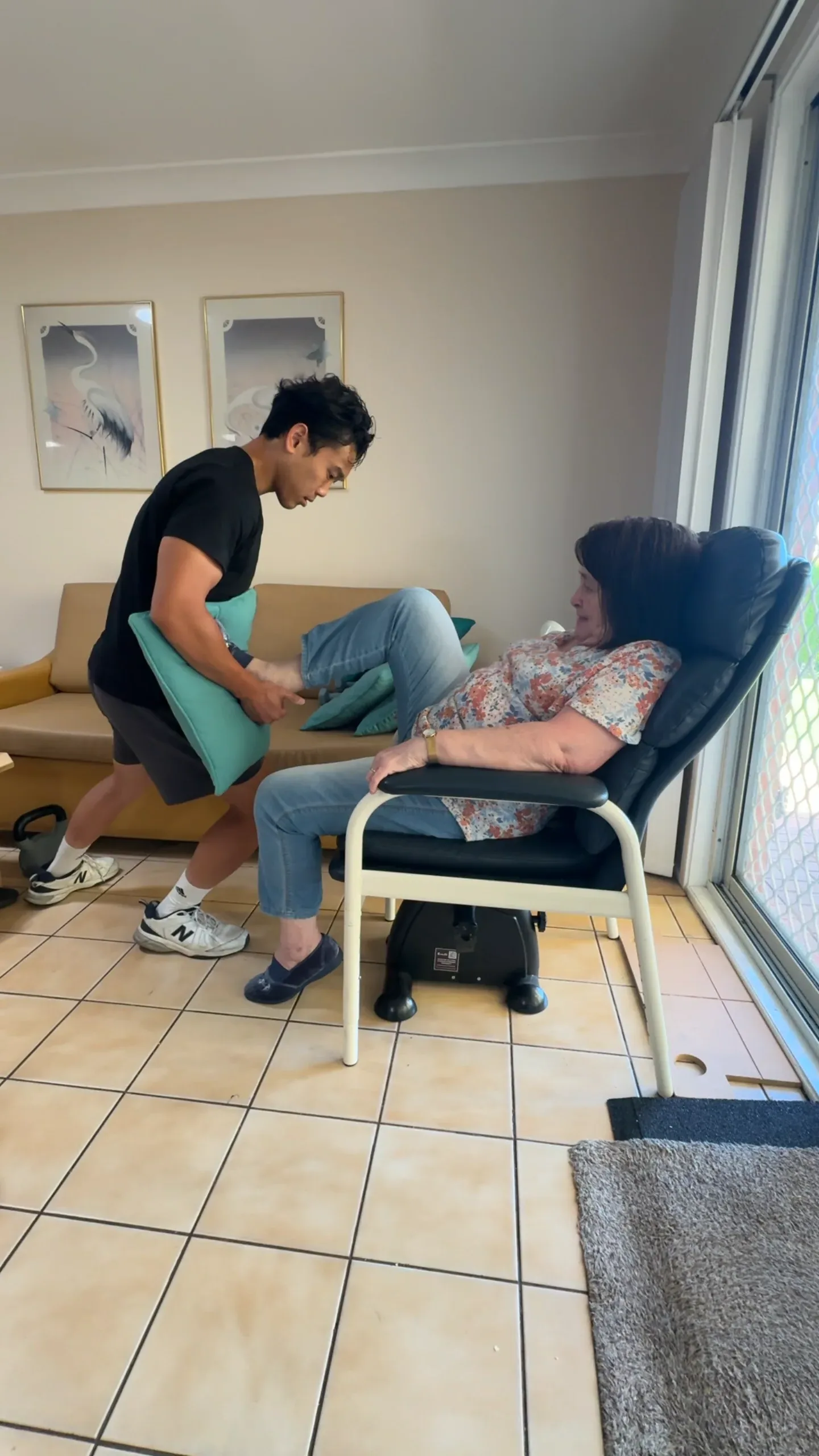

Your hallway, bathroom, front path or a nearby park.

More than 130 families across Sydney have worked with our team on balance and movement.

Begin with a free call. Support at Home, private and NDIS options are available.
Balance changes can show up in small ways at home or on the street. Do any of these feel familiar?
Wobbling when you turn in the kitchen or look back over your shoulder.

Holding the bench to reach a high shelf, or feeling unsure as you bend to load the dishwasher.

Leaning on the wall in the shower, or sitting down to pull on your trousers and socks.

Watching your feet on grass, gravel or a cracked footpath, or slowing down in a crowd.
Balance uses your legs, feet, eyes and inner ear together. We look at what may be holding you back, then practise balance and strength with a little more challenge as you're ready.
Australian movement guidelines for people over 65 include balance and mobility activities at least 3 days a week. We'll give you a short routine to practise between visits.

We may start with your feet apart and a hand on the bench, then try closer foot positions, head turns or reaching, only while you stay steady.

Leg, hip and ankle strength can give you more support if you trip or misstep. We bring the weights and bands.

Practise turning, stepping over objects, changing pace and walking while chatting, on your own floors.

When you're ready, we can practise on grass, slopes and footpaths at a local park. That may make the walk to the shops feel less daunting.
Feeling unsteady and feeling dizzy can overlap, but they're different. Dizziness can feel lightheaded, woozy or faint. Vertigo feels like you or the room is spinning. A doctor may need to check causes such as inner ear problems, blood pressure changes or medicines.
If you're unsteady when turning or walking on uneven ground, without spinning or lightheadedness, balance and strength training may help with those movements.
If the room spins when you roll over in bed or look up, see your GP first. Inner ear problems may need specific treatment from a doctor or a physiotherapist who works with vestibular problems.
Feeling faint when you stand can be linked to blood pressure or medicines. Ask your GP to check this. We can plan exercise around what they find.
Tell us what you notice on the free call. If it sounds like something to check first, we'll say so and help you work out the next step.
We'll check how your balance is now, talk about where you'd like to feel steadier and agree on a plan to practise together at each visit.

On a free 15-minute call, tell us when you feel unsteady, whether you feel dizzy and how your funding works. If something needs a medical check first, we'll tell you.

We check your standing balance, walking, turning and strength at home, then agree which moments you'd most like to feel steadier in.
We build on each visit with harder balance tasks when you're ready. We can also practise on the paths and outings that matter to you.
Balance training works alongside your medical care. It doesn't diagnose or treat the cause of dizziness. We stop and suggest you see your GP if dizziness is new, getting worse or keeps coming back, or if you've had a fall you can't explain. Call 000 if dizziness comes with chest pain, shortness of breath, numbness or weakness in your face, arm or leg, trouble speaking, or changes in your vision.
You don't need a GP referral to start. Before your first session, it helps to share:
 When the unsteadiness started and what makes it better or worseAny dizziness, spinning or lightheadedness, and what brings it onResults or advice from your GP, ENT specialist, neurologist or audiologistYour medicines, especially new ones or recent changesAny falls or near misses, and the walking aid you useChanges in your eyesight, or numbness in your feet
Drift Health has worked across Sydney for more than 8 years. More than 130 families have worked with our physiotherapists and exercise physiologists.
We often work outside, in parks, on courts and along local footpaths. Feeling steady in your lounge room is a good start. The walk, game or outing beyond it may be your goal.

We start at home, where you shower, dress and move around every day. When you're ready, we can practise outdoors nearby. Tell us your suburb and preferred times so we can check availability.

Liverpool, Fairfield, Campbelltown and surrounding suburbs
Blacktown, Parramatta, Penrith and surrounding suburbs
Ashfield, Marrickville, Burwood and surrounding suburbs
Sydney CBD and nearby suburbs
Castle Hill, Kellyville and surrounding suburbs
Miranda, Cronulla, Sutherland and surrounding suburbs
A note from Victor
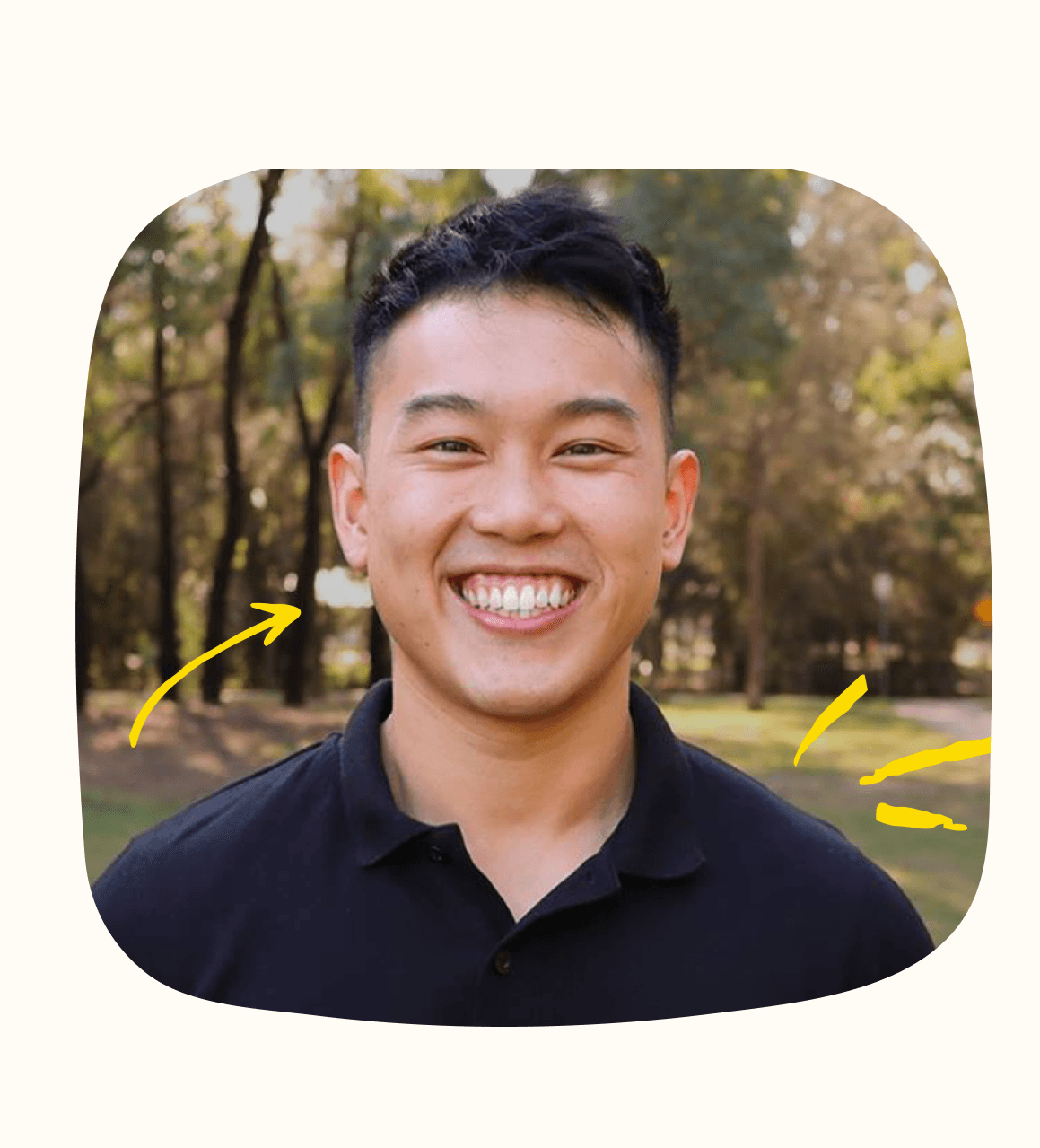
I'm Victor, Director and Head Exercise Physiologist at Drift Health. Feeling unsteady can mean saying no to things you used to do, like a walk with a friend, a trip to the shops or your grandchild's Saturday game.
We look at what makes you feel wobbly, then work on balance and strength for the outings that matter to you. If dizziness needs a doctor's opinion first, we'll tell you.
Support at Home began on 1 November 2025 and replaced Home Care Packages. Physiotherapy and exercise physiology are listed as allied health services and are clinical supports. The government pays the full price of clinical supports, so you don't pay a contribution for them. How much you can use depends on your aged care assessment and budget.
We ask your Support at Home provider to bring Drift Health in as an associated provider. It's their decision, and they confirm how sessions fit your budget.
You can see us privately while you wait. To apply for Support at Home, you'll need an aged care assessment through My Aged Care on 1800 200 422.
If you were under 65 when you joined the NDIS, you may be able to use NDIS funding. We work with self-managed and plan-managed participants.
Our physiotherapists lead much of our balance work. Exercise physiologists work with you on strength and fitness. We'll match you with a clinician who suits your goals and suburb.

Joey
Physiotherapist
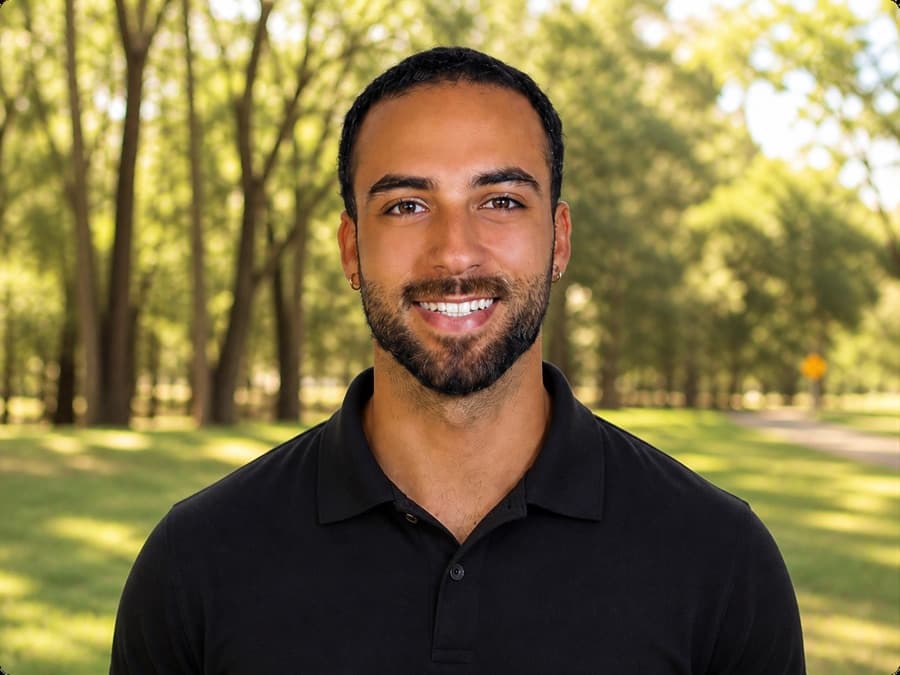
Lucas
Physiotherapist

Victor
Director & Head Exercise Physiologist

Jennifer
Exercise Physiologist
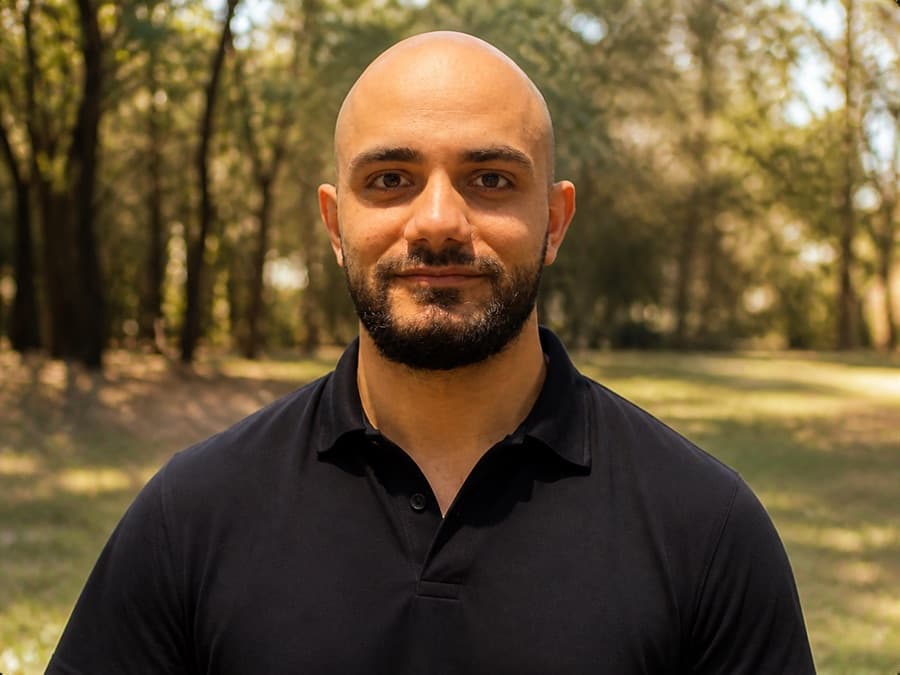
Michel
Exercise Physiologist

Conan
Exercise Physiologist

Tony
Exercise Physiologist
Laura
Exercise Physiologist

We don't treat the cause of vertigo. Spinning dizziness needs a GP check first. Some inner ear problems are treated with specific repositioning manoeuvres or exercises by a doctor or a physiotherapist who works with vestibular problems. After you've been checked, we can work on general balance, strength and confidence alongside that care.
Quite possibly. Feeling unsteady when you turn, reach or walk on uneven ground is the kind of thing balance and strength training works on. We'll talk it through on the free call.
There's plenty of overlap. Our falls prevention page is for people who've had a fall or are worried about one, including practising how to get up from the floor. This page is about feeling unsteady day to day and what to check first when dizziness is involved.
Yes, with support close by. We may use the kitchen bench, a sturdy chair or your clinician's hand. Exercises get harder only once you can do them steadily, and we stop if you feel dizzy or unwell.
No. You, a family member or your provider can contact us directly. If your dizziness is new or getting worse, we'd still ask you to see your GP before starting balance work.
You don't pay a contribution for clinical supports. Your assessment and budget decide how much you can use. You stay with your provider, and we ask them to bring us in as an associated provider.
Yes, if your plan is self-managed or plan-managed. Drift Health isn't a registered NDIS provider, so NDIA-managed plans can't be used with us. Funding depends on your plan and disability support needs. Your plan manager can confirm what applies.
If you've had a fall, or Parkinson's or arthritis affects your balance, these pages explain more about the support we offer.
Tell us when you feel unsteady and where you'd like to feel more confident. We'll talk about whether balance training may help and how your funding could cover sessions.
A free 15-minute phone call about what's getting harder and whether your funding may cover sessions.