
Exercise physiology for Developmental Delay
Developmental delay describes skills taking longer to develop than expected; it is not a complete explanation of why a child is finding something difficult. For a family concerned about movement, the first step is understanding the child's needs with the appropriate health professionals. Exercise physiology may have a role in an agreed movement plan, but it is not automatically the right first service for every young child. Drift Health can discuss the concern and whether exercise physiology, physiotherapy or another assessment is the better next step.
Book Your Free Health Check
Meet our clinical team: Victor
Director & Head Exercise Physiologist
What we work on

Your priorities
Choose a practical movement or participation goal that matters in everyday life.
Individual assessment
Discuss health advice, communication, equipment and the support needed to take part.
A workable routine
Agree a manageable approach, review the response and adapt rather than push through.
Movement goals worth working towards
A movement goal might involve joining a playground game, changing position during play or becoming more confident with a simple ball activity. It should relate to the child's current abilities and interests, not a race to reach a milestone. Before selecting exercises, the clinician considers the task, the environment and how much support is needed. A meaningful change may be a child choosing to try a movement, needing less help or practising in more than one familiar setting. We avoid guarantees about catching up within a set number of sessions.
Book Your Free Health Check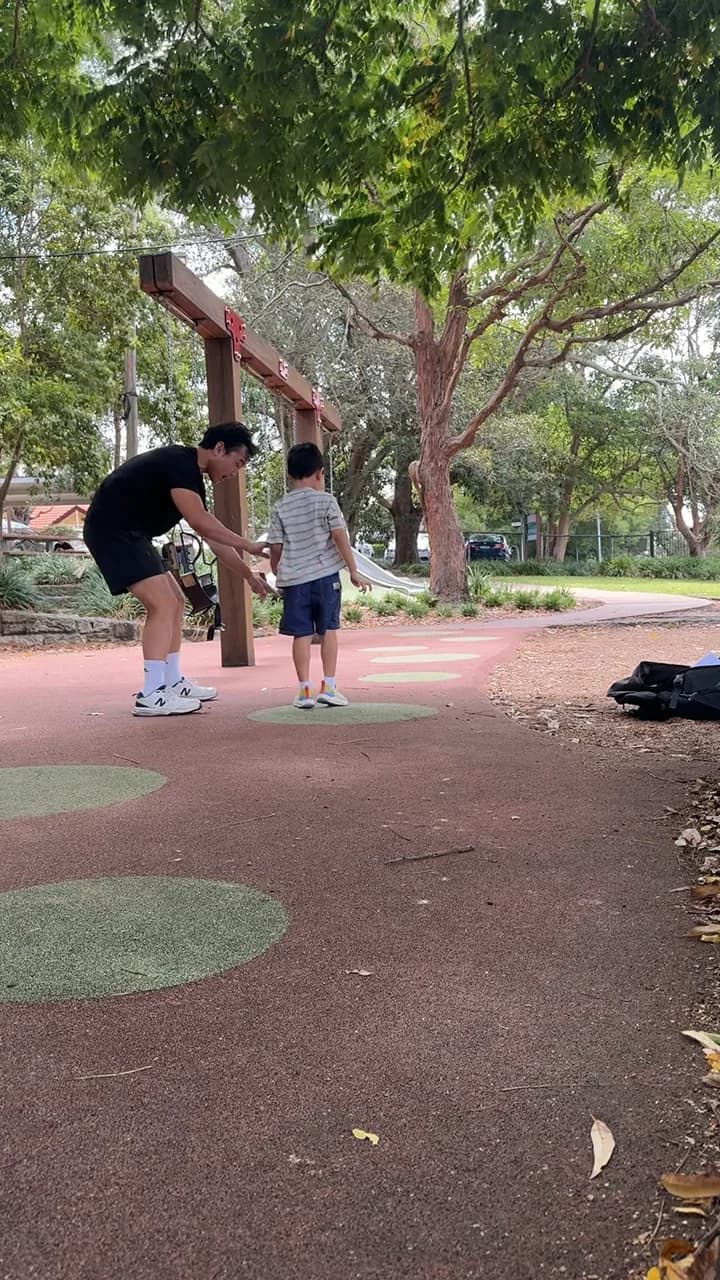
What happens in a session?
Parents can describe everyday moments that are difficult and show us what the child already enjoys. A familiar toy or activity can provide a starting point for observing movement without turning the whole visit into testing. We discuss a manageable play opportunity, how to make it easier and what signs suggest a break. Practice between sessions should fit family life. It should not require buying lots of equipment or turning every interaction into therapy. Other treating professionals' recommendations help prevent conflicting programmes.
Book Your Free Health CheckSafety, limitations and the wider care team
If you are concerned about your child's development, speak with your GP or child and family health nurse rather than relying on an online milestone checklist alone. A loss of skills already learned needs prompt discussion with a health professional. We cannot determine a developmental diagnosis through a booking call. The child's age, medical history and the areas of delay influence which assessments and supports are appropriate. A general movement programme is not a substitute for investigating the reason a child is struggling.
Book Your Free Health Check
How we check progress together
Before beginning, agree what a useful change would look like and how to recognise it. This might be the assistance needed for a task, the length of an enjoyable activity or the person's willingness to try it in a familiar setting. Keep the comparison consistent enough to be useful, while accounting for health, fatigue and changes in routine. A programme should be reviewed when it is not helping or is too demanding. Progress is individual; we cannot guarantee a particular result or number of sessions. General information on this page is not a personal exercise prescription.
Book Your Free Health Check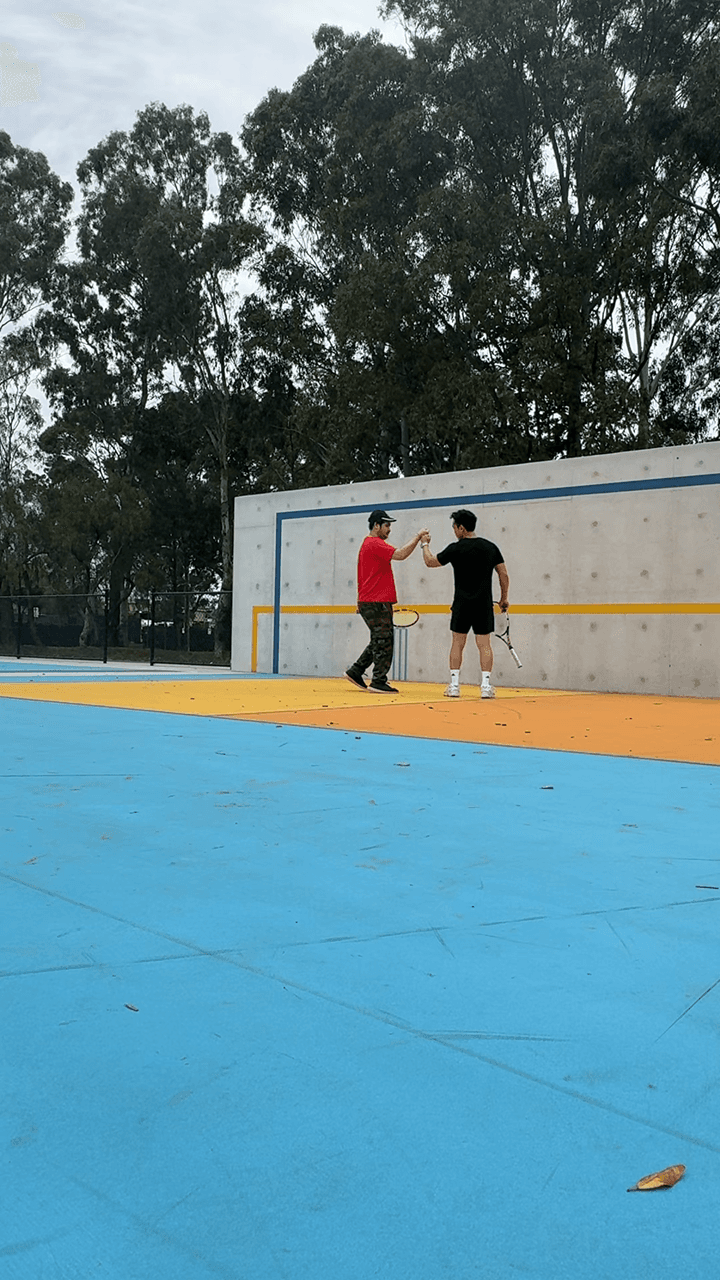
Before you book
You can contact Drift Health with a brief description of the person's goals, suburb and the support they currently use. A family member, participant or referrer can start that conversation. The free exercise health check is a discussion about suitability and next steps, not a diagnosis or a full clinical assessment. Tell us about other treating professionals and any current advice on movement so we can identify information needed before paid sessions. Ask about availability, fees, travel and whether a home or local-park setting is appropriate for the person.
Book Your Free Health CheckNDIS
Understanding your NDIS funding
Funding depends on your plan, disability support needs and available budget. Discuss the proposed support and fees before paid sessions.

Capacity Building
A diagnosis does not automatically make exercise physiology or physiotherapy claimable. The support must meet NDIS funding criteria, relate to disability support needs and fit the person's plan and available budget. Ordinary recreation and general fitness costs are not automatically therapy supports.

Goals that match the plan
Capacity Building budgets can include Improved Daily Living and Improved Health and Wellbeing. The appropriate funding category depends on the proposed support and the plan; do not assume any unused budget can be used interchangeably.

Check before you start
Before paid sessions, discuss the proposed service, fees and funding arrangements. Your plan manager or the NDIA can help clarify use of the plan. Drift Health can explain the service but cannot approve an NDIS funding request or guarantee that the plan will cover every cost.
Common questions
How is developmental delay different from global developmental delay?
Developmental delay may refer to a particular area of development. Global developmental delay describes difficulties across several areas. A treating health professional should explain which description applies and what assessment is needed. Our separate global developmental delay page focuses on coordinating movement goals with a wider support team.
Where can sessions take place?
Drift Health is a mobile Sydney team. Ask about your suburb and whether home or a familiar local venue is suitable. Accessibility, privacy, equipment and the person's support needs all affect the location. A park is not appropriate for every activity or every participant.
Do we have to commit after the free health check?
No. The free conversation helps clarify your goals, service fit and possible next steps. It is not a clinical diagnosis or a promise of NDIS funding. You can ask questions about fees and the assessment process before deciding whether to arrange paid support.
Still have questions?
Book a free health check and we will tell you if we are the right fit.
Book your Free Exercise Health Check
We will look at the plan, the goals, and whether exercise physiology is the right support.
Book Your Free Health Check