
NDIS funding and access
NDIS funding for exercise physiology and physiotherapy
Find out how your NDIS plan may cover sessions with Drift Health. We’ll help you understand the next steps, costs and options for working within your available therapy budget.
A free 15-minute call about your goals and whether we can help.
Ask about using your NDIS funding



How your plan is managed
How your NDIS funding is managed changes how you pay for sessions. Drift Health works with self-managed and plan-managed participants. Here’s what each arrangement means for working with us.

Self-managed
If you self-manage, you organise payment and keep the records required for your funding. Keep your invoices together so claiming stays simple.

Plan-managed
If you use a plan manager, they help manage provider invoices and payments. Have their details handy when you contact us.

NDIA-managed
Drift Health isn’t a registered NDIS provider, so NDIA-managed (agency-managed) funding can’t be used for sessions with us. If your plan is NDIA-managed, you can ask the NDIA about changing how it’s managed.
Where Capacity Building funding fits
Capacity Building funding helps you build skills and independence for daily life. For exercise and physiotherapy, you may see two categories in your plan: Improved Daily Living and Improved Health and Wellbeing.
The service still needs to fit the supports approved in your plan. You can’t move funding between Capacity Building categories, so check the allocation with your plan manager or the NDIA if you’re unsure.
 Improved Daily Living can cover disability-related assessments and therapy, including physiotherapy.
- Improved Health and Wellbeing can include working with an exercise physiologist on an exercise plan.
Plan your sessions around your NDIS budget
Our fees are in line with the NDIS price limits for the relevant support items, and travel is charged in line with NDIS rules. A standard session is 60 minutes, with extended sessions available. We’ll quote the cost of sessions, travel and any agreed reports before you start, so you know what to allow for.
Together, we’ll look at how often sessions would help, the funding available for this therapy and how long it needs to last. That includes your current funding period, where one applies, and the other supports you’re already using.
We’ll then agree on a schedule that works towards your goals within that allocation.
Therapy fees and funding guide
Working with NDIS participants for 8+ years
Drift Health has worked with the NDIS community for more than 8 years, and more than 130 families across Sydney have worked with our team.
We know the funding side can feel like a second job. That’s why we talk through fees and your plan before anything is booked, so the sessions themselves can focus on your goals.

Understand your physical support needs
A physical assessment looks at how your strength, balance and mobility affect daily life. It helps your clinician understand what you can do now, where you need support and what to work on.
If you’ve been asked for a Functional Capacity Assessment (FCA), our physiotherapists can deliver a physiotherapy-based FCA. Let us know what the report needs to cover and we’ll confirm it’s suitable and check availability. Some questions may need input from other health professionals.
An FCA can provide evidence of your support needs. The NDIA makes funding decisions.
Ask about a physiotherapy FCA
From your first question to a therapy plan
We’ll explain each step and give you room to ask questions.

Share your priorities
Tell us what you want to work on, your suburb and anything that would help you feel comfortable in a session.

Discuss the service and fees
We’ll talk about clinician fit, appointment options, fees and payment. Check any funding questions with your plan manager or the NDIA.
Start with an assessment
Your clinician gets to know you, assesses the relevant movement and physical abilities, and discusses a plan connected to your goals.



Common NDIS funding worries
These come up in almost every first conversation. Here’s how we handle them.
“My plan doesn’t mention exercise physiology”
Plans often list budgets, not provider types. What matters is whether the therapy fits your supports and Capacity Building categories. We can help you work out what to check.

“I’m worried about running out of funding”
We plan session frequency around the funding you have and how long it needs to last, then review it with you as the plan period goes on.

“I don’t know how my plan is managed”
That’s common. Your plan or your support coordinator can tell you, and we can talk it through on the free call.

“I need evidence for my plan review”
Tell us what the review needs to show. We provide reports, and we’ll explain what the report can cover and how much notice we need before you rely on it.
Explore the therapy options
NDIS exercise physiology
Exercise shaped around strength, fitness, balance and movement skills that matter in your day.
Explore NDIS exercise physiology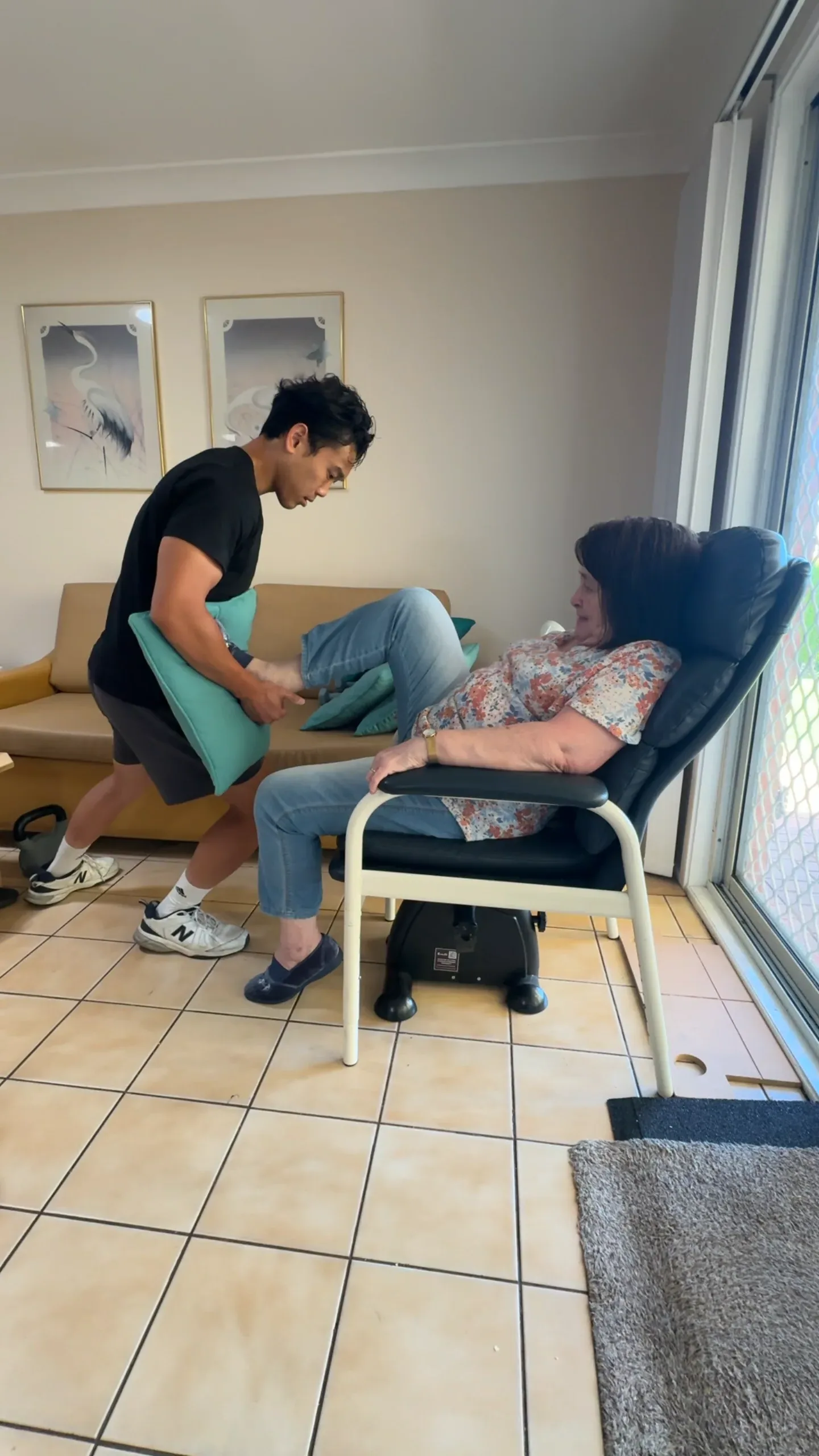
NDIS physiotherapy
Assessment and treatment for movement and physical function, with a plan for the activities you want to manage.
Explore NDIS physiotherapyNDIS funding questions, answered
Can I use my NDIS funding for exercise physiology or physiotherapy?
Both are examples of NDIS therapy supports. The service must still meet funding criteria and fit your individual plan. Ask us to explain the proposed therapy, then check any funding uncertainty with your plan manager or the NDIA.
What if my plan is NDIA-managed?
Drift Health isn’t a registered NDIS provider, so NDIA-managed (agency-managed) funding can’t be used with us. We work with self-managed and plan-managed participants. If your plan is NDIA-managed, you can ask the NDIA about changing how it’s managed.
Where can I find the fees?
Our fees are in line with the NDIS price limits for the relevant support items, and travel is charged in line with NDIS rules. Contact us for a quote covering your sessions and travel. Our fees and funding guide explains the questions to ask and how NDIS price limits relate to a quote.
How can I make the arrangements clear?
Ask for an explanation of the proposed service, costs, cancellations and communication. We’ll give you a service agreement that records these expectations before sessions start. Take time to read it and ask about anything you’re unsure of.
Which NDIS support category is exercise physiology under?
Exercise physiology and physiotherapy usually sit in Capacity Building. Improved Health and Wellbeing can include working with an exercise physiologist on an exercise plan, and Improved Daily Living can cover disability-related assessments and therapy, including physiotherapy. Your plan shows which category holds the funding.
Do I need a diagnosis or GP referral to use my funding?
A diagnosis alone doesn't confirm funding. What matters is whether the therapy relates to your disability support needs and fits the supports in your plan. You don’t need a GP referral to work with us.
Can I use my NDIS funding for sessions at home?
Yes, sessions can take place at home or somewhere local, as long as the therapy fits your plan. Travel is charged in line with NDIS rules, and we’ll include it in your quote before you start.
What if I have Support at Home, not NDIS?
Drift Health also works with older people through Support at Home packages. The funding rules are different, so see our Support at Home page or ask us when you call.
Put your funding towards moving more independently
Tell us what you’d like to work on and how your plan is managed. We’ll talk through suitable exercise or physiotherapy options, explain the costs and help you plan the next step.
Book a free callA free 15-minute call about your goals and whether we can help.