


Your chair or aid is part of the plan
We work with your wheelchair, walker or stick, not around it. Plenty of exercises can be done seated, and any standing work has support close by.
Exercise physiologist for limited mobility in Sydney
Build the strength and stamina behind transfers, getting around and the parts of daily life that take the most effort.
You might use a wheelchair, walker or stick, or walk short distances with someone beside you. We start with how you move now and what you'd like to manage more easily. Then we plan around your body, equipment and home.
We come to you and bring the exercise equipment.
A free 15-minute call about your goals and whether we can help. It's a conversation, not an assessment.
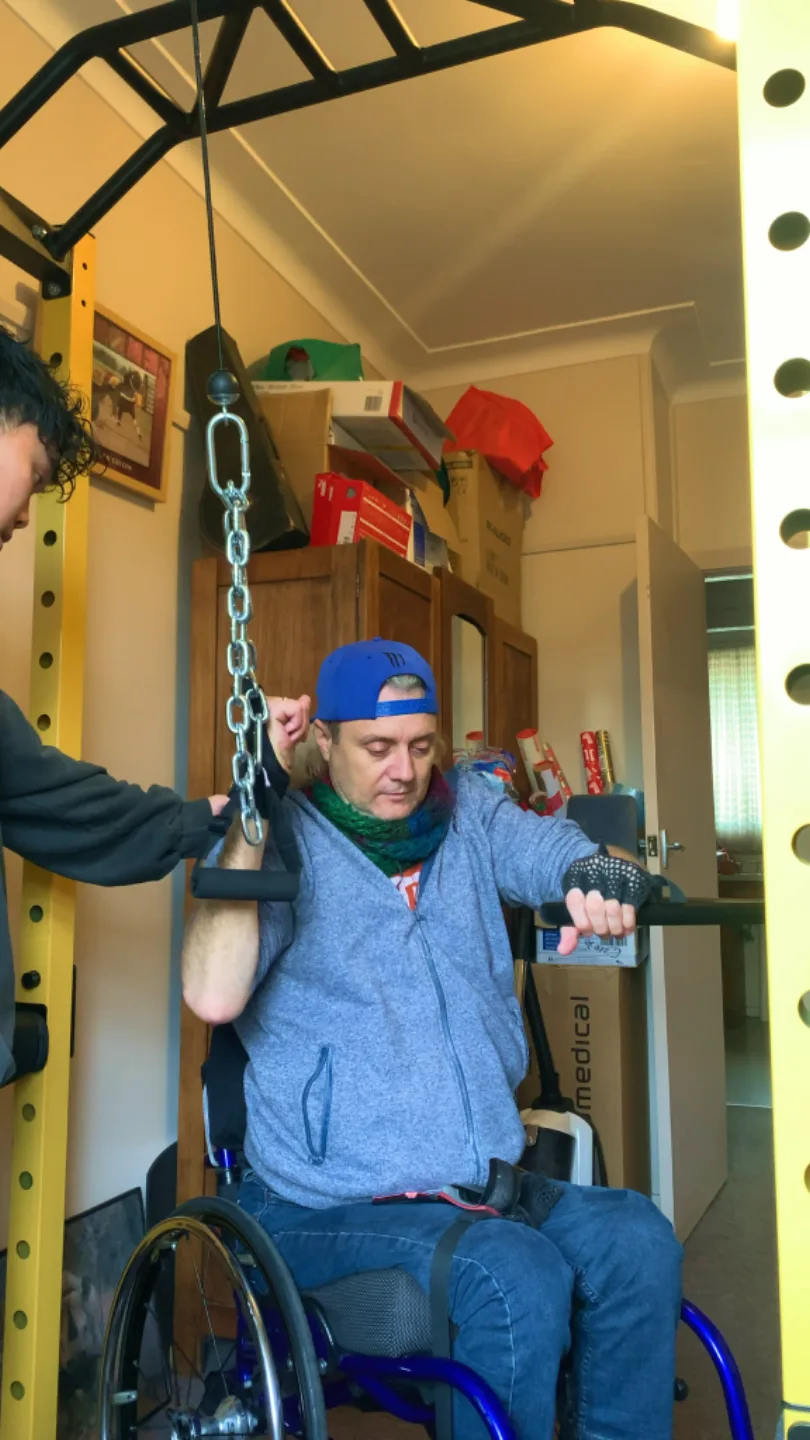

We work from wherever you start: in your chair, at a bench or on your feet.

People across Sydney have worked with our team on strength, movement and fitness.

Sessions at home or a local park, with the equipment carried in.
Limited mobility looks different for each person. You might want to make transfers easier or have more energy by the afternoon. You choose where we start.
Moving between your wheelchair, bed, car or toilet with less effort, using the arm, trunk and leg strength each move relies on.

Pushing your chair up a ramp, reaching into a high cupboard or standing long enough to cook, with the support you already use.

Managing the hallway with your walker, the kerb outside the shops or the trip from the car to the café.

Building stamina so the morning routine doesn't use up everything you have by lunchtime.
Limited mobility starts differently for everyone. Your strength, balance, pain, fatigue and equipment all shape a session. We look at those first, then choose exercises for your body and space, seated, standing or both.
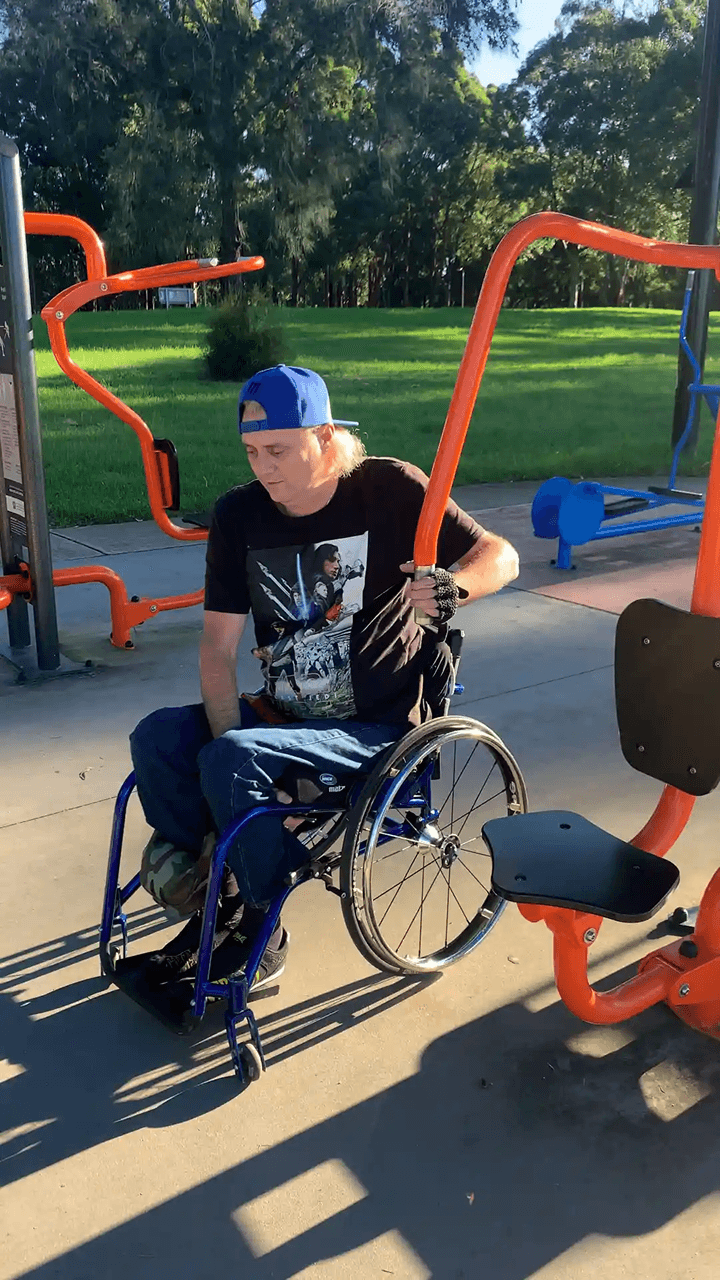
We work with your wheelchair, walker or stick, not around it. Plenty of exercises can be done seated, and any standing work has support close by.

If transfers are the goal, we practise the pieces of a transfer: shuffling forward, pushing through your arms and lowering back down with control.

We plan rest into the session and keep an eye on how you're going, so you finish with enough left for the rest of your day.
We agree on markers that matter to you, like needing less help with a transfer or reaching the letterbox without stopping.
Gyms and exercise programs can feel as though they were not designed with you in mind. Here are a few concerns people raise on a first call.
That's fine. Much of the work can be done from your wheelchair or a firm chair. If standing is a goal, we build towards it with support.
We bring the exercise equipment and work in the space you have, like a lounge room, a hallway or a nearby park with step-free access.
We check your balance and transfers before adding any challenge, keep support close and stop if something doesn't feel right. Tell us about any falls you've had.
Then we start lower than you'd expect and build slowly. How you feel the day after a session tells us how to adjust the next one.
You don't need a GP referral. You, a family member, support worker or support coordinator can get in touch. We'll reply within 2 business days. Then we'll work on the movement you want to manage, one visit at a time.

You name the goal, like getting in and out of the car. We assess your strength, balance, transfers and how your equipment fits the task.

We shape exercises to your starting point, seated or standing, and work through them with you each visit, with rest built in.
We check progress against the real task, like the car transfer or the roll to the bus stop, and adjust the plan as you get stronger or as things change.
Limited mobility can bring things that change how we exercise: pressure areas, muscle spasm, feeling light-headed when you sit or stand up, or pain and fatigue that linger. If something new shows up, like a fall, chest pain, dizziness or a red mark on your skin that doesn't fade, we stop and suggest you check in with your GP or treating team before we continue.
Exercise physiology doesn't replace your doctor, specialist, occupational therapist or wheelchair prescriber. It works alongside them. Before you start, it helps to share:
 Your diagnosis, health history and any medicines you takeThe mobility aids and equipment you use, and how you transfer nowAny falls, near misses or injuries in the past yearSkin, pressure-area, pain or spasm concernsAdvice from your GP, specialist, physiotherapist or occupational therapist about movementWho helps you move day to day, and how
Drift Health has served Sydney for more than 8 years, and over 130 families have worked with our exercise physiologists and physiotherapists on strength, movement and fitness.
We see adults who use wheelchairs, walkers and other mobility aids. What works is the same each time: a goal that matters in your day, exercise that fits your body and a clinician who adjusts as you go.
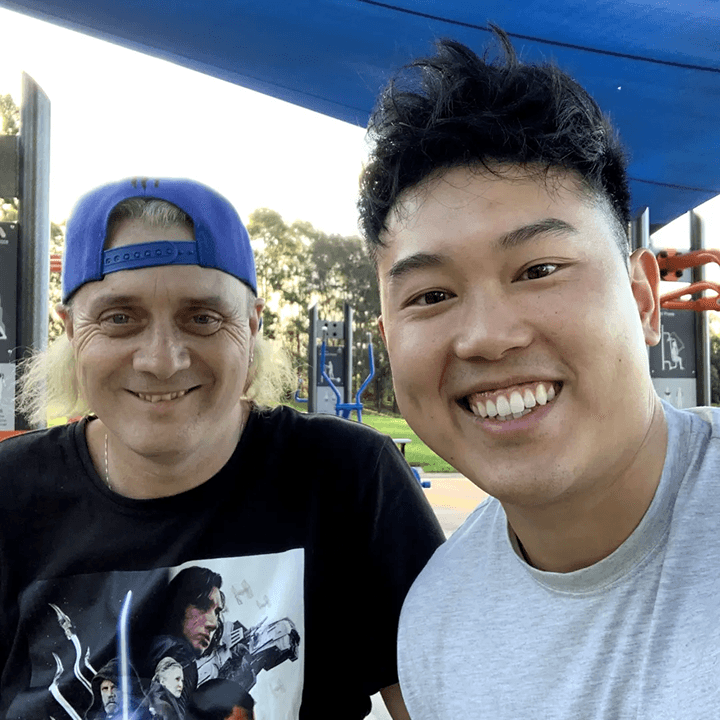
We come to your home or a local spot that works for you, like a park with outdoor gym equipment and step-free paths. Access, surfaces, shade and nearby toilets all matter when mobility is limited, so we'll talk through the options together. If it rains, we can move to a sheltered area, your home or another venue (at your cost).

Liverpool, Fairfield, Campbelltown and surrounding suburbs
Blacktown, Parramatta, Penrith and surrounding suburbs
Ashfield, Marrickville, Burwood and surrounding suburbs
Sydney CBD and nearby suburbs
Castle Hill, Kellyville and surrounding suburbs
Miranda, Cronulla, Sutherland and surrounding suburbs
A note from Victor
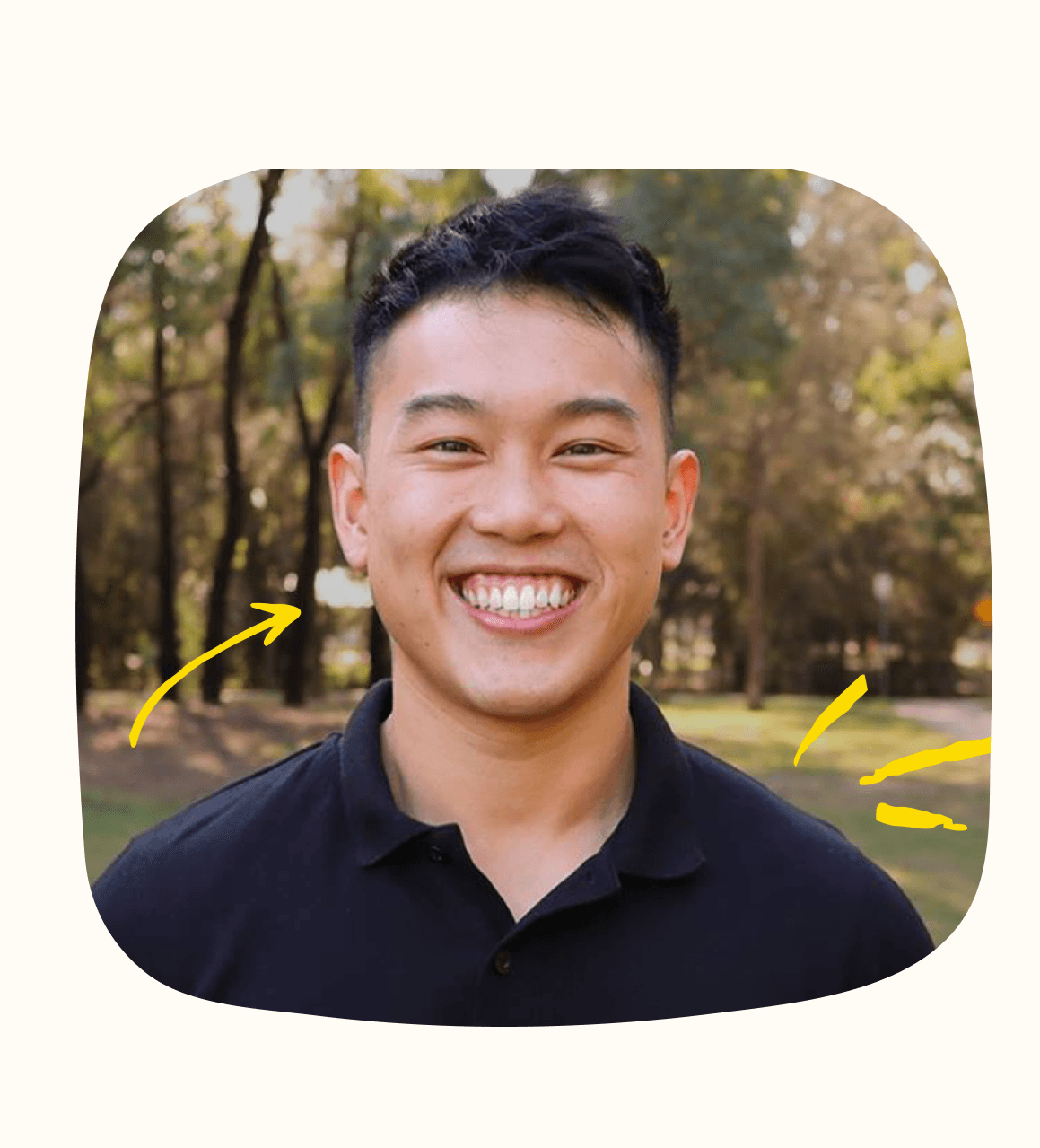
I'm Victor, Director and Head Exercise Physiologist at Drift Health. When mobility is limited, I want our work to show up in the moments that take the most effort, like getting from the bed to your chair or out the door to the car.
So that's where we start. We look at how you move now and what your body and equipment allow, then build a plan you can keep doing. If a family member or support worker helps you move, we'd like them involved too.
Exercise physiology may be funded when it meets NDIS criteria, relates to your disability support needs and fits your plan. We work with self-managed and plan-managed participants. Our fees are in line with NDIS price limits, travel is charged, and we'll explain the proposed service and costs before you book paid sessions.
The NDIS describes therapy that builds your skills and therapy that helps you keep the abilities you have. Either may be relevant when mobility is limited.
Exercise physiology is often funded through Improved Health and Wellbeing or Improved Daily Living. The right category depends on your plan.
Drift Health isn't a registered NDIS provider, so NDIA-managed plans can't be used with us. Your plan manager can confirm what your plan allows.
Our exercise physiologists lead mobility-focused work. Our physiotherapists are on the same team when pain, an injury or a recent change in how you move needs their input.
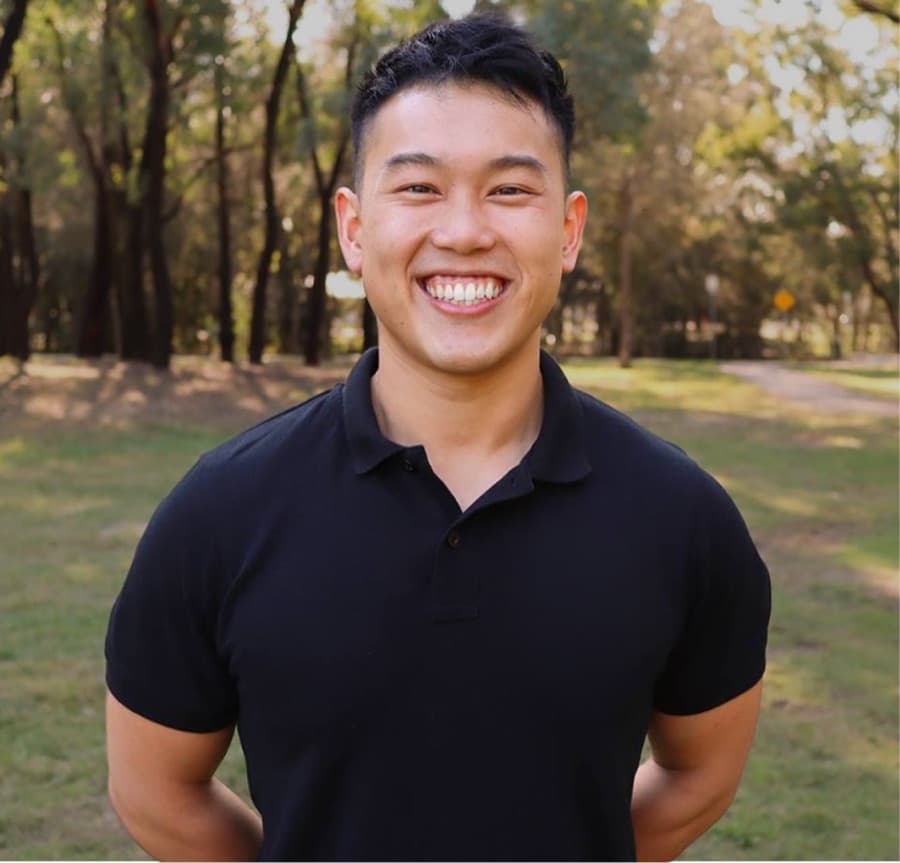
Victor
Director & Head Exercise Physiologist
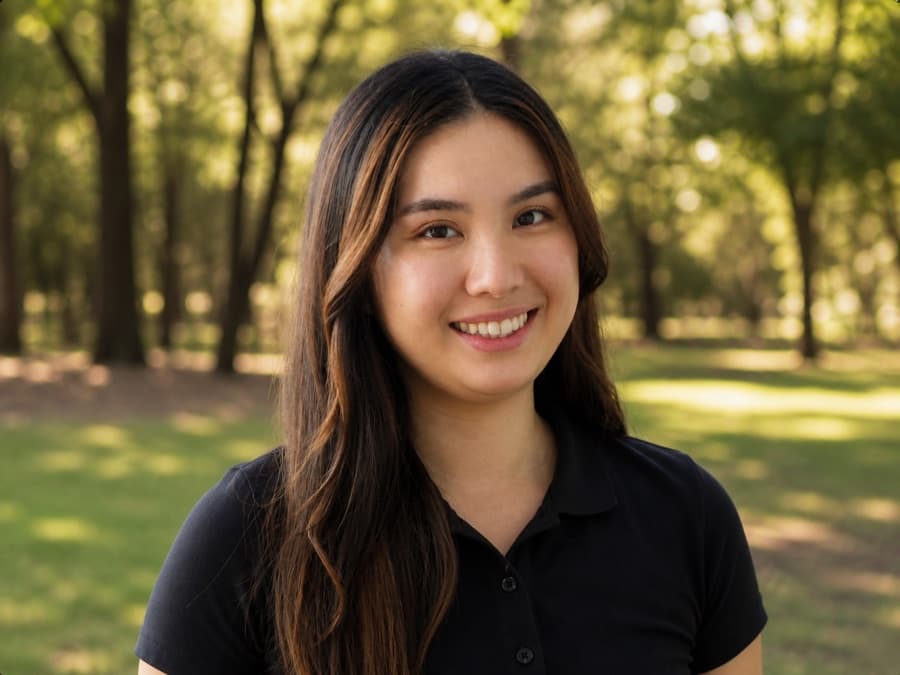
Jennifer
Exercise Physiologist
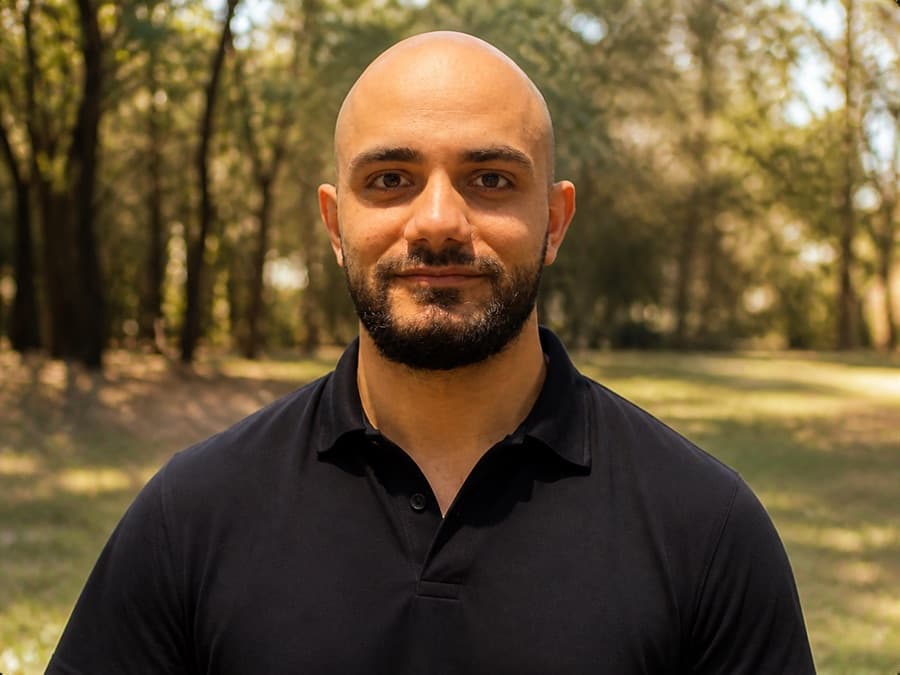
Michel
Exercise Physiologist
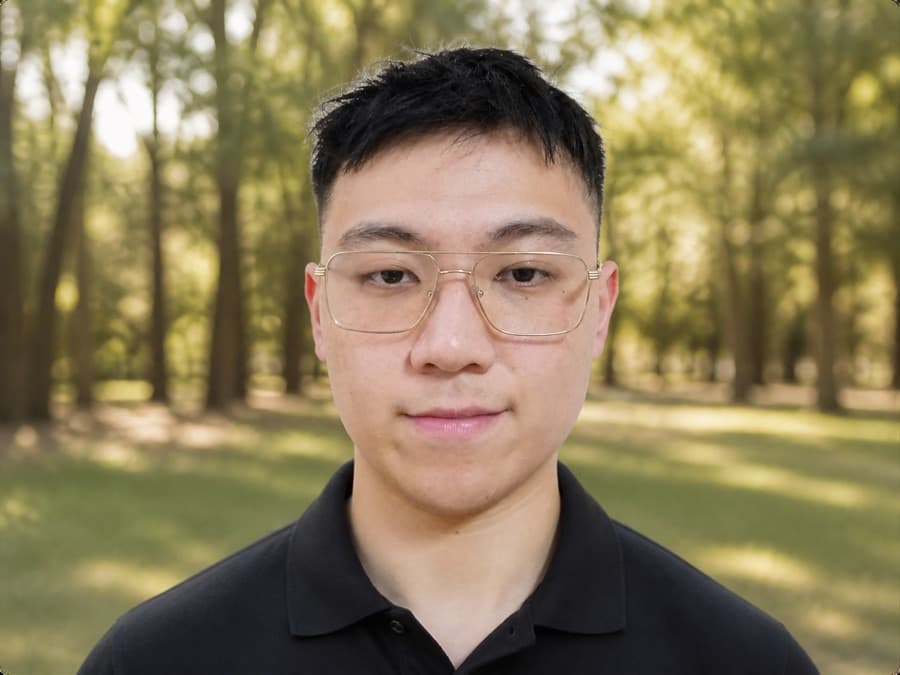
Conan
Exercise Physiologist
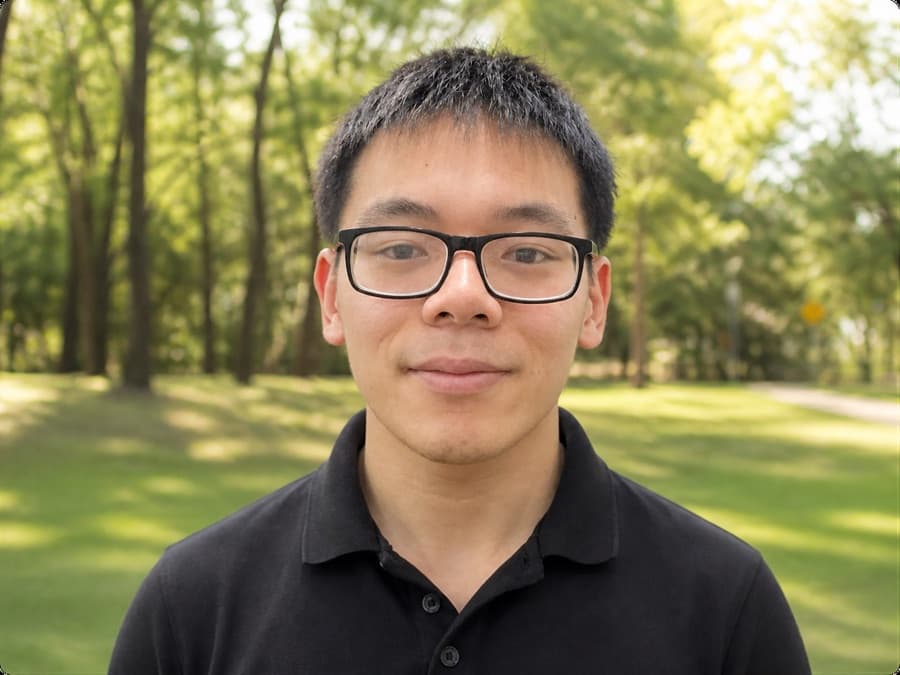
Tony
Exercise Physiologist
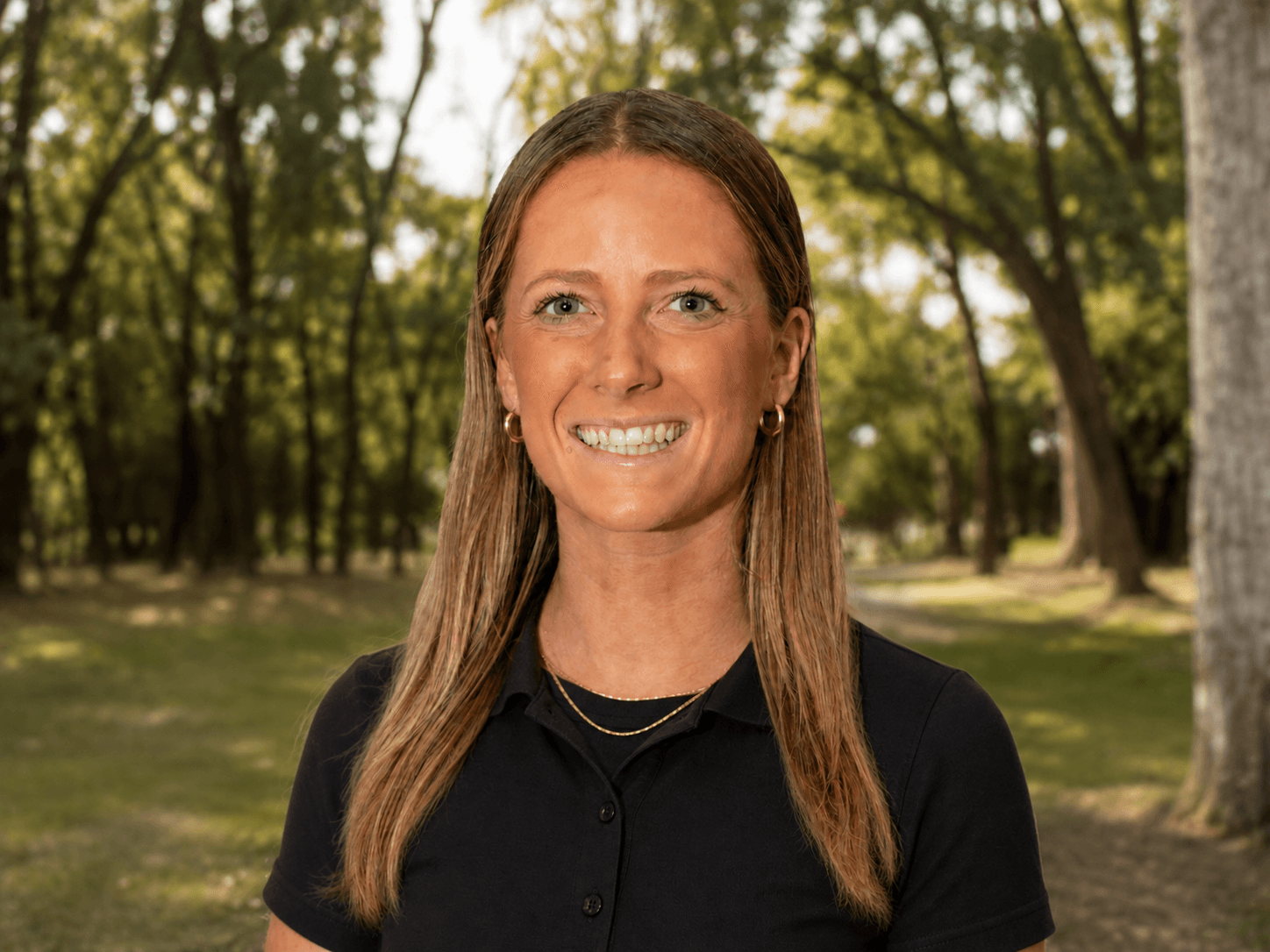
Laura
Exercise Physiologist

Joey
Physiotherapist
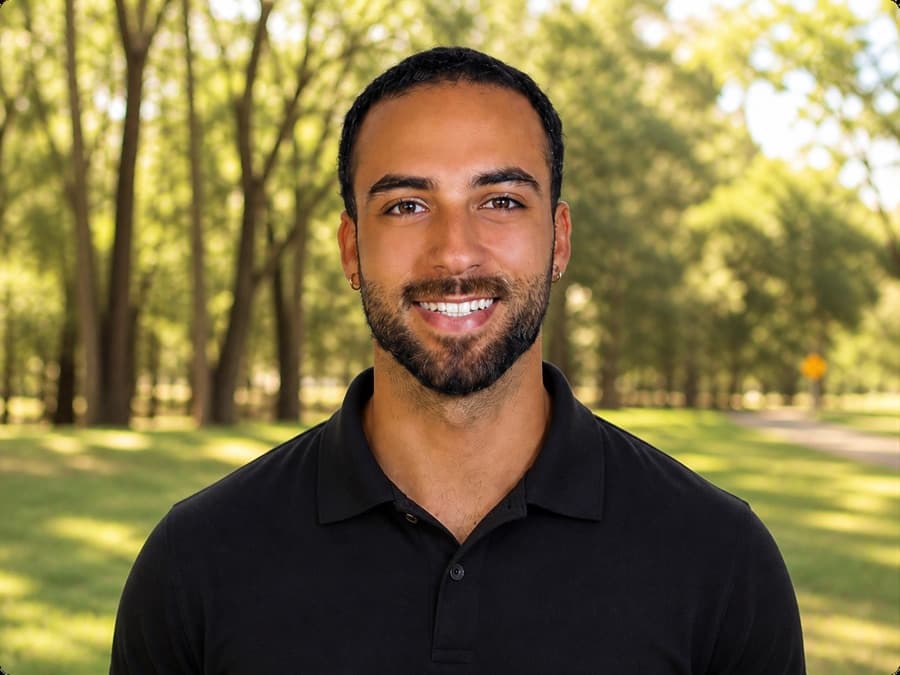
Lucas
Physiotherapist

Yes. Many exercises can be done seated, in your own chair or a firm chair. We'll also look at whether any standing work is safe and useful for you, and set it up with support close by.
We can work on the strength, balance and control behind transfers, and practise the steps of a transfer with you. Equipment such as hoists, slide boards or a new wheelchair is led by your occupational therapist or prescriber, and with your consent we can work alongside them.
Not much. We bring the exercise equipment. Some clear floor space, a stable chair and room for your wheelchair or walker is usually enough. We can also meet at a local park if that suits you better.
Sessions are usually 60 minutes, and extended sessions are available. Rest breaks are part of that time, so it isn't an hour of non-stop exercise. If you're worried about how much you can manage, tell us on the free call.
No. You, a family member, a support worker or a support coordinator can contact us, and we respond within 2 business days. We can usually start within 7 days. If your doctor has given you advice about exercise, please share it with us.
It may be funded if your plan is self-managed or plan-managed and exercise physiology fits your plan and goals. Drift Health isn't a registered NDIS provider, so NDIA-managed plans can't be used with us. We also see private clients.
Yes. We provide reports and service agreements. A report can describe your goals, what we've worked on and what has changed, which can be useful when your plan is reviewed.
If limited mobility sits alongside another condition, or you'd like to read more about how sessions work, these pages may help.
Tell us what is getting harder, which equipment you use and who helps you. We can talk through whether exercise physiology is a good fit and how sessions could work at your place.
A free 15-minute call about your goals and whether we can help.