


Pain guides the level
Mild discomfort during exercise is usually fine if it settles. Sharp pain, or a joint that feels worse the next day, is a sign to ease back and change the exercise.
Exercise physiologist for arthritis in Sydney
Work on the stairs, garden jobs and walks that matter to you. We set a pace your joints can manage.
You may have been told to keep moving. Working out how much to do, which exercises suit your knees or hips, and what to change on a flare day can be harder. We see how you move at home and build an exercise plan around what you want to keep doing.
Use Support at Home funding if it applies, or see us privately. Your family is welcome to join a session.
A free 15-minute phone call about what's getting harder and whether your funding may cover sessions.
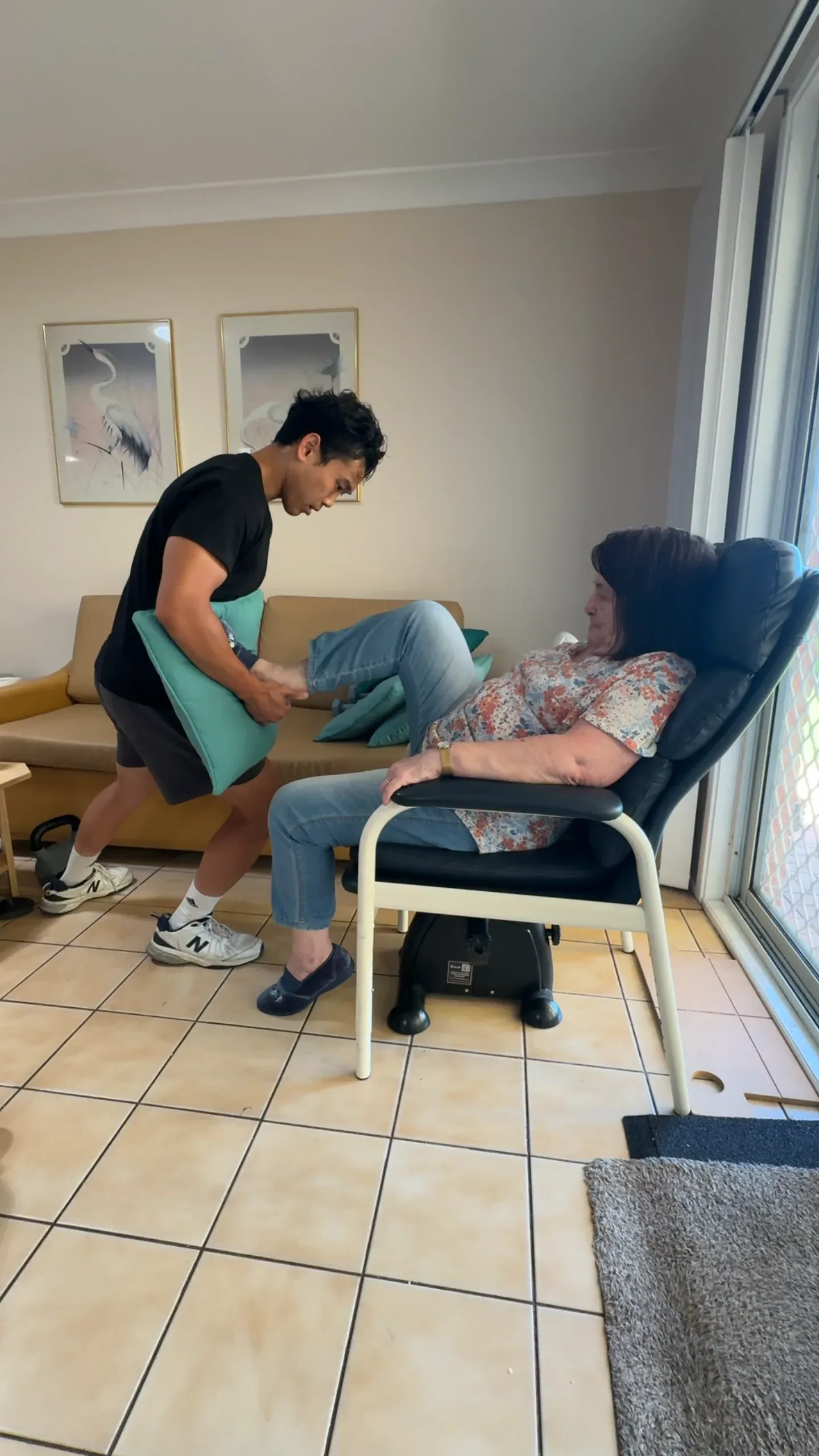

Tell us how you're feeling at each visit. We'll adjust the exercises instead of asking you to push through a set routine.

More than 130 families across Sydney have worked with our team on strength, movement and confidence.

We bring the equipment to you, even on a stiff morning.
Regular exercise matters when managing osteoarthritis. Stronger muscles can take some of the load off your joints, and staying active can help with pain and getting around. We link the exercises to something you want to do, so you know why you're practising.
Build leg and hip strength for the front steps, stairs at home or a kerb, with a rail or without.

Practise getting down to a garden bed and back up, carrying a watering can or potting mix, and finding positions that are kinder to sore knees.

Build from the walk to your letterbox towards the shops or around the block, at a pace your joints can handle.
Arthritis can feel different from one week to the next. We check in at each visit and adjust the plan to how your joints are feeling that day.
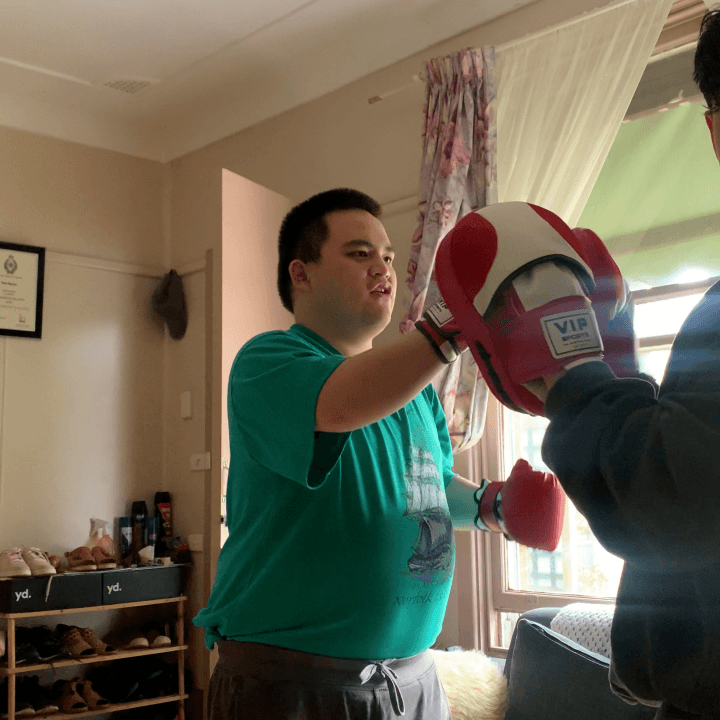
Mild discomfort during exercise is usually fine if it settles. Sharp pain, or a joint that feels worse the next day, is a sign to ease back and change the exercise.

If mornings are hardest, we can book later and start with gentle movement to warm your joints.

When a joint flares, we can switch to seated work, gentle range of movement or a joint that isn't sore. You can keep moving without making the flare worse.

We might use leg exercises, a short walking circuit or pad work for fitness. We choose activities you enjoy and can repeat between visits.
It makes sense to have questions when your knee or hip already aches. Here are a few concerns we hear, and how we work through them.
Australian health guidance lists regular exercise as an important part of managing osteoarthritis. It keeps joints and muscles healthy and can help reduce pain. The aim is to find the right amount and level for you.
An exercise sheet can't see how you move or how your joint responds. We start lower than you might expect and build up while watching how your body responds.
Exercise can still help while you wait. Stronger legs may make the months before surgery easier, and you'll go in already knowing how to do the exercises.
You don't need to be. We can work in your lounge room or a nearby park, using movements from your day, like standing from a chair or walking a familiar route.
We look at how you're moving now, talk about what's getting harder and agree on an exercise plan to work through together at each visit.

Maybe it's the stairs, the garden or a walk you've cut short. We check how your joints, strength and balance manage that activity now.

We choose a starting level your joints can manage, then build strength and movement over time. We'll also plan what to do on a flare day.
We check progress against a real task, such as your own stairs or a garden bed, and adjust the plan with you.
Exercise physiology works alongside your GP, specialist and any rheumatologist. It doesn't replace medical care, diagnose your arthritis or change your medicines. If you have rheumatoid or another inflammatory arthritis, follow your rheumatologist's advice first. We plan exercise around it.
We'll stop and suggest you contact your GP if a joint becomes hot, red or suddenly very swollen, if you have new severe pain, or if you feel unwell. Before you start, it helps to share:
 Which joints are affected and what type of arthritis you've been told you haveYour medicines, including any recent joint injectionsOther health conditions, such as heart problems, diabetes or past fallsWhat a flare usually looks like for you and what settles itAny surgery planned, or if you're on a waiting listAdvice from your GP, specialist or physio about movement
Drift Health has worked across Sydney for more than 8 years. More than 130 families have trusted our exercise physiologists and physiotherapists with their goals.
For arthritis, we listen to how your joints feel, link exercise to your day and check in as the plan develops.
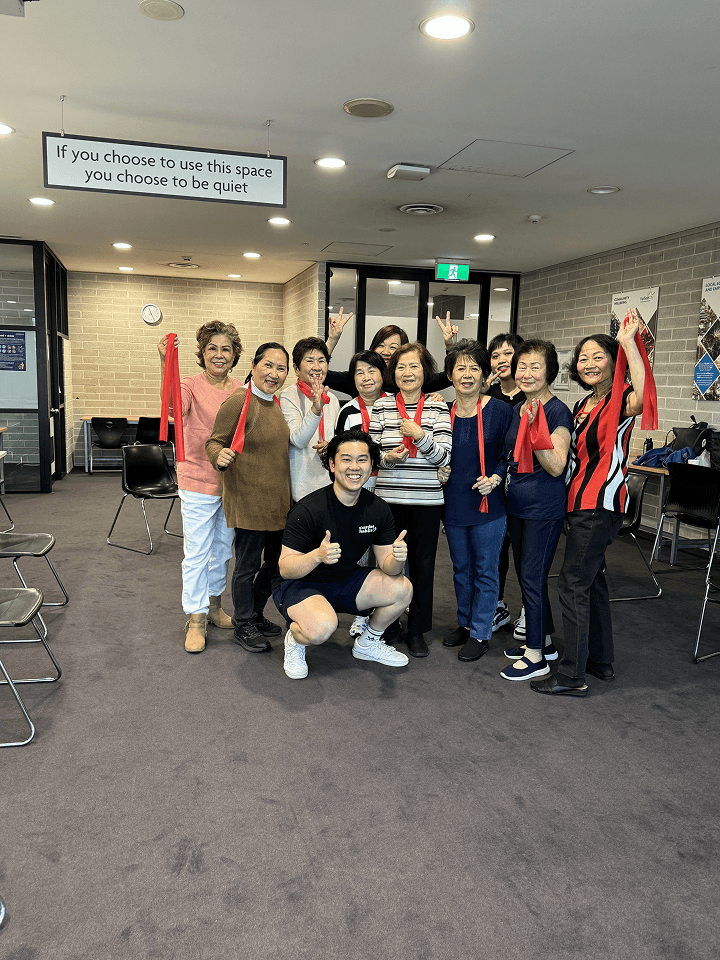
Sore joints can make the drive and waiting room another hurdle. We come to your home, or meet at a nearby park if you'd like some fresh air. Tell us your suburb and which times suit you.

Liverpool, Fairfield, Campbelltown and surrounding suburbs
Blacktown, Parramatta, Penrith and surrounding suburbs
Ashfield, Marrickville, Burwood and surrounding suburbs
Sydney CBD and nearby suburbs
Castle Hill, Kellyville and surrounding suburbs
Miranda, Cronulla, Sutherland and surrounding suburbs
A note from Victor
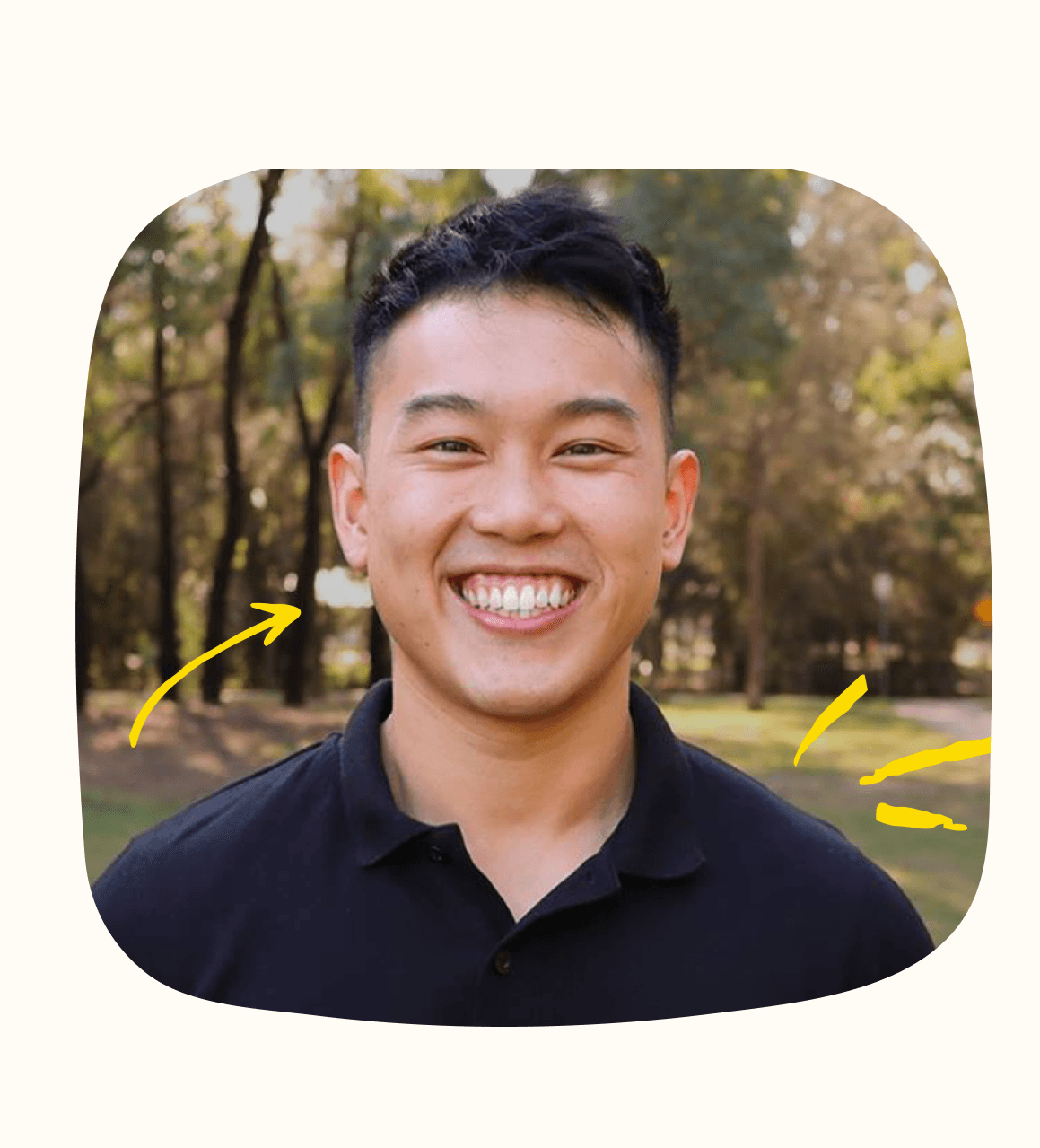
I'm Victor, Director and Head Exercise Physiologist at Drift Health. People with arthritis are often told to stay active, then left to work out the details. We can help with that.
We start with what you want to keep doing, whether that's gardening, walking to the shops or managing the stairs. Then we find a level of exercise your joints can handle and build from there. Your son or daughter is welcome in the conversation too.
Exercise physiology and physiotherapy are on the Support at Home list of allied health services. The sessions available depend on your aged care assessment and budget. You don't need a GP referral to see us.
Allied health is a clinical support. The government pays its full price, so you don't pay a contribution for it. Sessions still come from your budget, and your provider confirms how they fit.
You stay with your current Support at Home provider. We ask them to bring Drift Health in as an associated provider. It's their decision, and we'll let you know what they say.
You can see us privately while you wait. To apply for Support at Home, you'll need an aged care assessment through My Aged Care on 1800 200 422.
On the NDIS? If you joined before turning 65, you may be able to use your funding with us if your plan is self-managed or plan-managed.
How NDIS funding works with Drift HealthOur exercise physiologists lead arthritis sessions. A physiotherapist may be involved if you need a hands-on assessment or are recovering from surgery. We'll match you with someone who suits your goals and area.
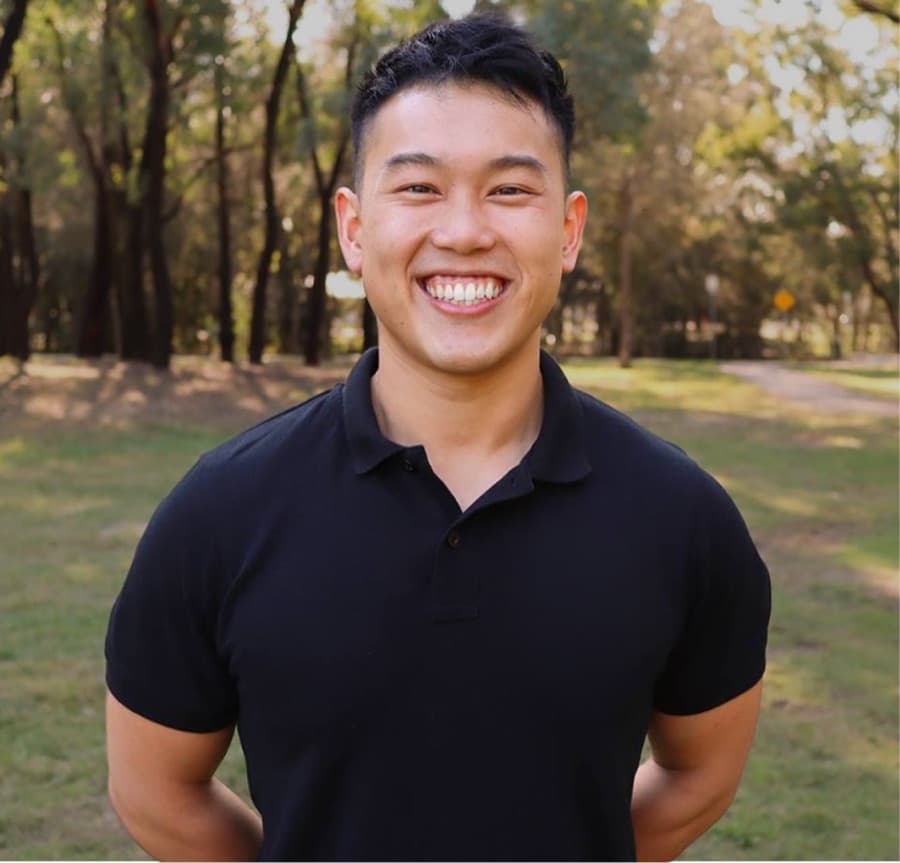
Victor
Director & Head Exercise Physiologist

Jennifer
Exercise Physiologist
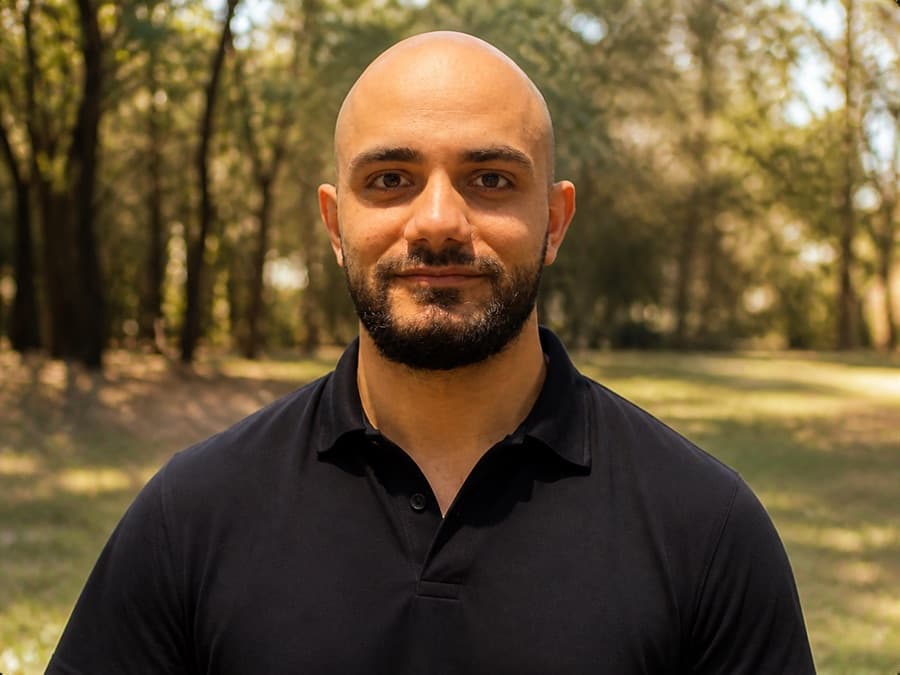
Michel
Exercise Physiologist

Conan
Exercise Physiologist

Tony
Exercise Physiologist
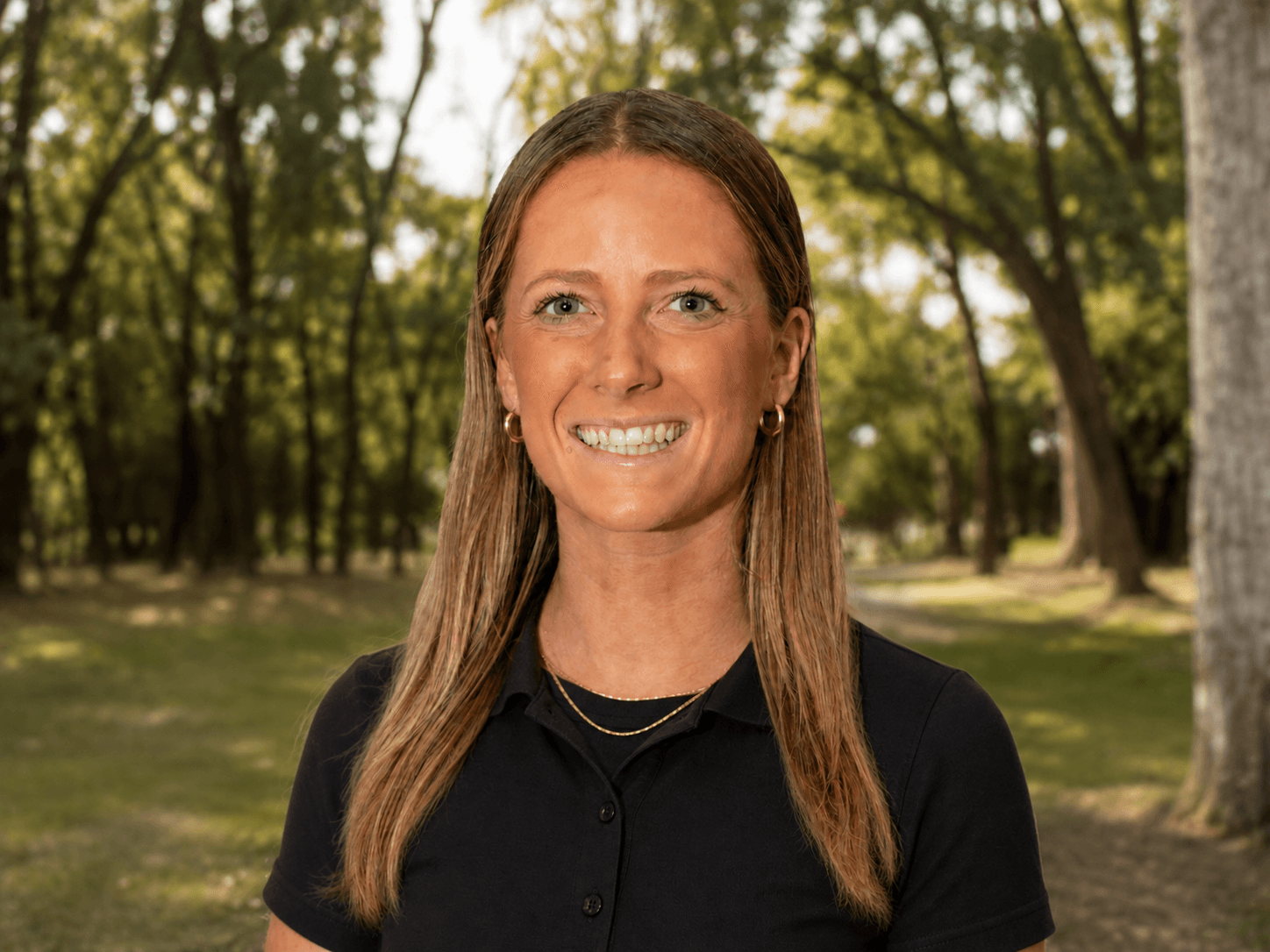
Laura
Exercise Physiologist
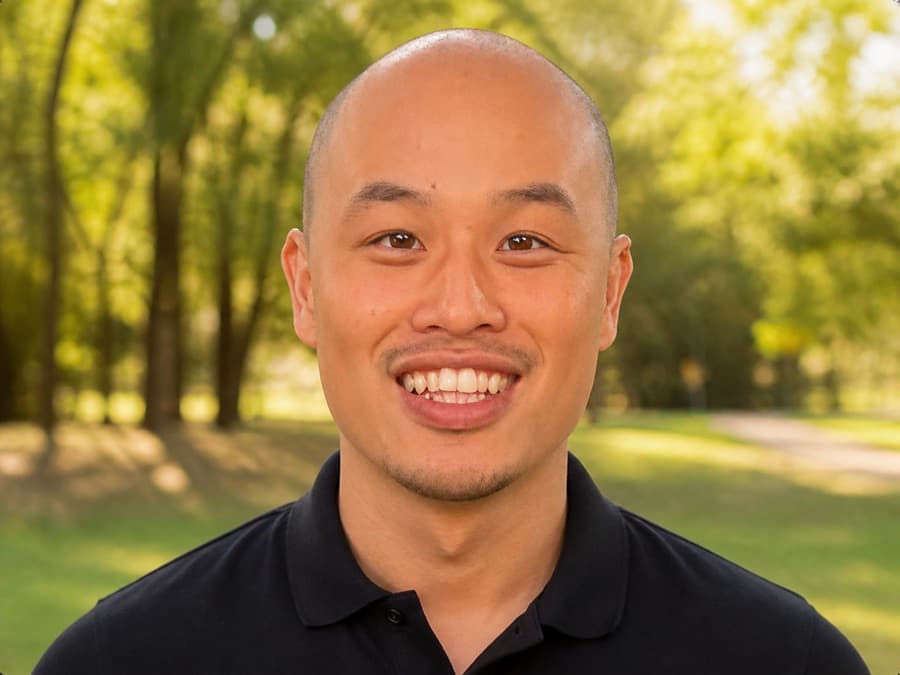
Joey
Physiotherapist

Lucas
Physiotherapist

For most people with osteoarthritis, yes, at the right level. Exercise is an important part of managing it. We start gently, watch how your joints respond during the session and the next day, then adjust. If a joint is hot, red or suddenly very swollen, we stop and refer you back to your GP.
Tell us when we arrive, or call ahead. We can switch to seated exercises, gentle range of movement or work on joints that aren't sore. If you're too unwell to exercise, we'll reschedule.
No. You can contact us directly. With your permission, we're happy to keep your GP updated. It also helps if you share any advice they've given about exercise.
Yes, if it fits your assessment and budget. Exercise physiology is on the Support at Home list of allied health services, and you don't pay a contribution for clinical supports. We ask your provider to bring us in as an associated provider. It's their decision. You can see us privately without Support at Home.
It may be. Building strength before surgery may make the wait easier, and you'll know the exercises you'll need afterwards. Your surgeon's advice comes first. If you've had the operation, see our joint replacement page for more about that support.
No. Our clinicians bring the exercise equipment. A sturdy chair and some floor space are enough to get started, and we can also use your steps, garden or walking route.
Yes, if you'd like them there. Family can help you practise between visits and ask questions. The goals are yours.
Arthritis can come with other concerns, such as feeling unsteady or recovering from surgery. These pages explain how we may help.
Tell us which joints are giving you trouble and what you'd like to do more easily. We'll talk about whether home exercise physiology could suit you and how funding may cover sessions.
A free 15-minute phone call about what's getting harder and whether your funding may cover sessions.