
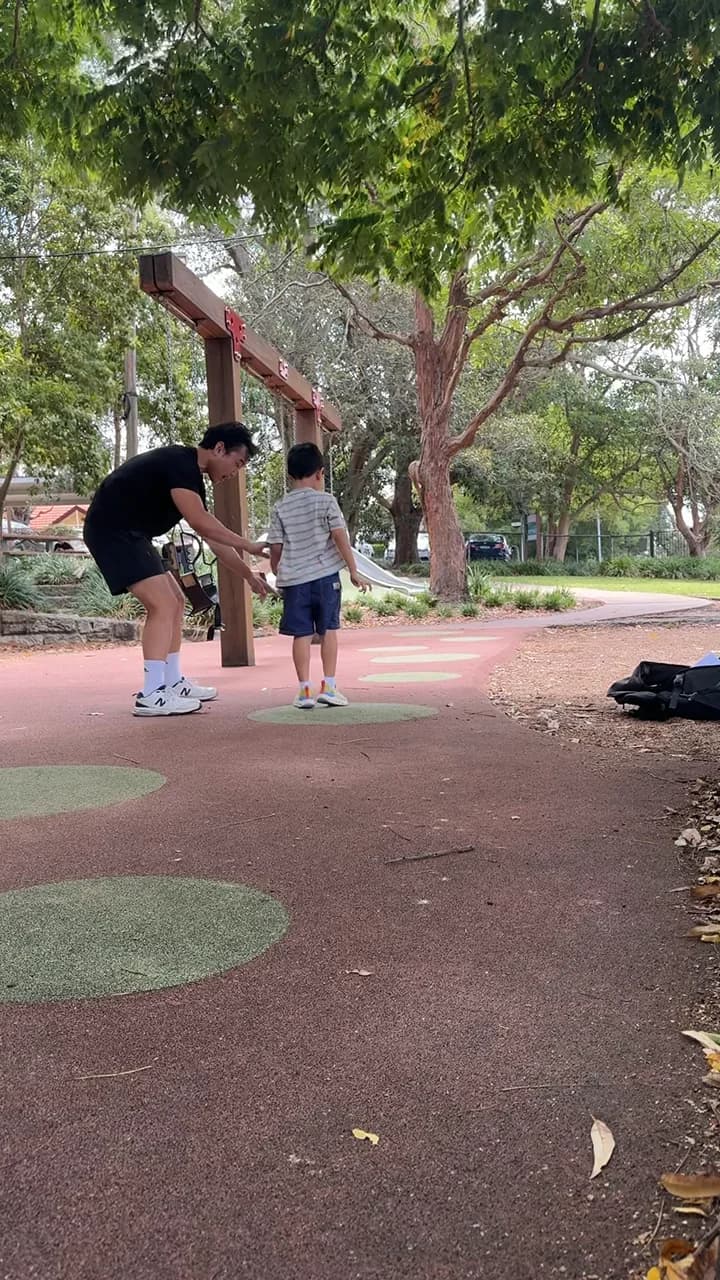
Balance
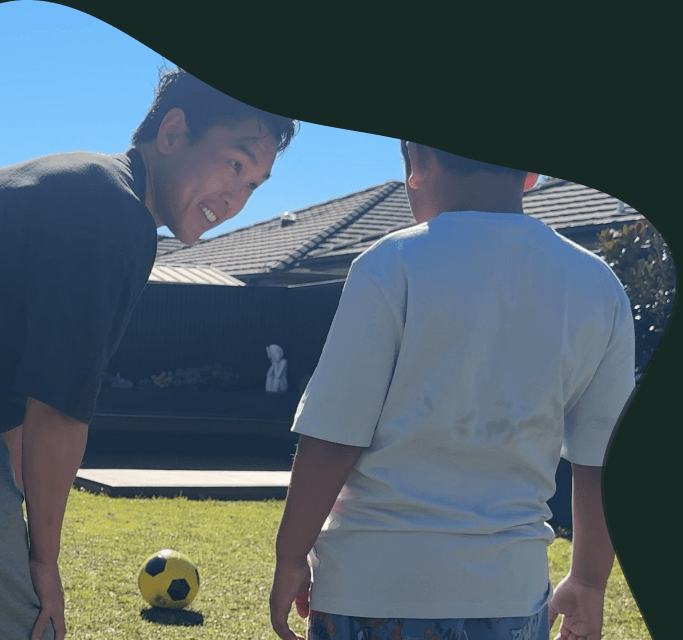
Feeling steadier standing, stepping and changing direction, so joining a game on the grass feels less wobbly.
The 5 movement skills we look atExercise physiologist for autism in Sydney
Here at Drift Health, connection comes first. We get to know how your child communicates, what interests them and what helps them feel comfortable, then use that understanding to build balance, coordination and fitness for the play and activities they want to join in.
Helping kids with autism be kids.
A free 15-minute call to talk through your child's movement goals and whether we're a good fit.
Send an enquiry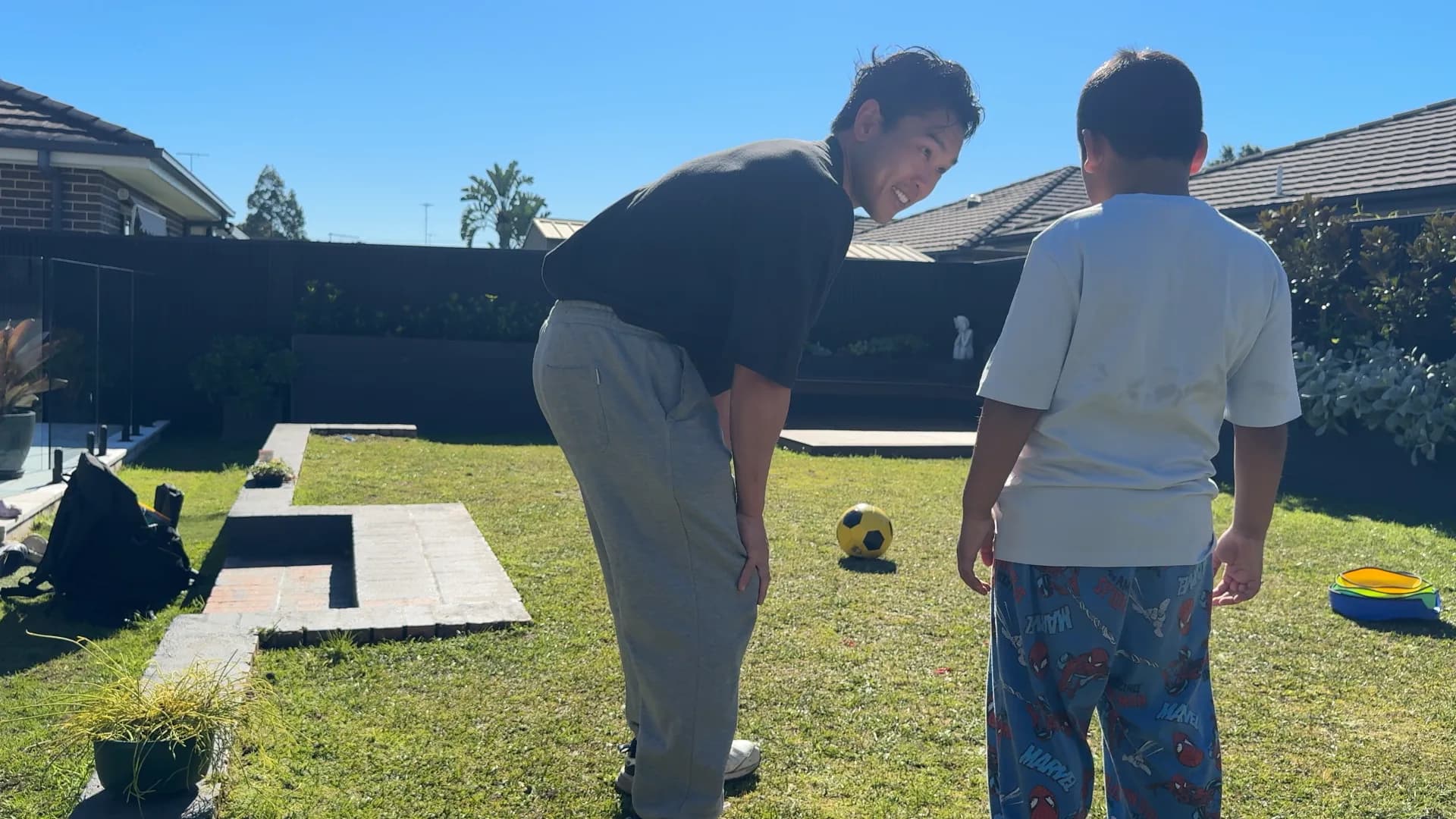

We learn how your child communicates before we choose the exercise.

Families across Sydney have worked with our team on movement and fitness.

Sessions at home or a quiet local park, not a busy gym.
These are the areas we work on, always connected to something your child wants to do.
Feeling steadier standing, stepping and changing direction, so joining a game on the grass feels less wobbly.
The 5 movement skills we look at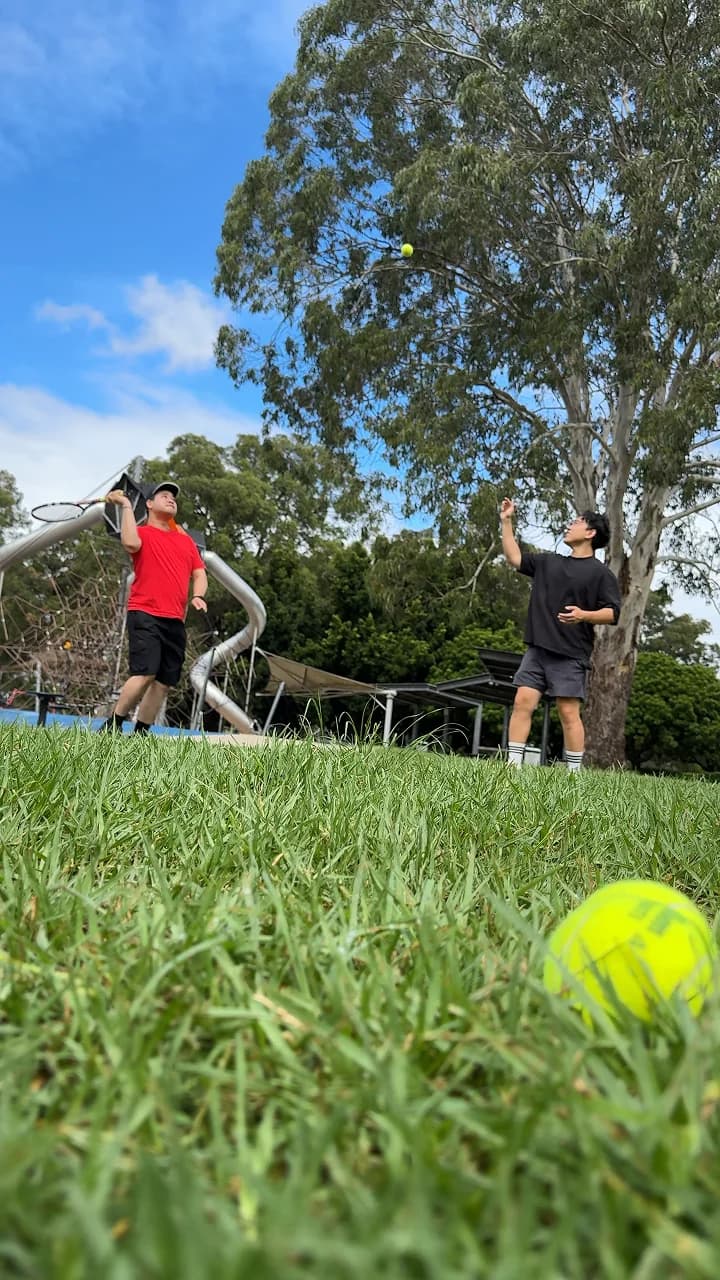
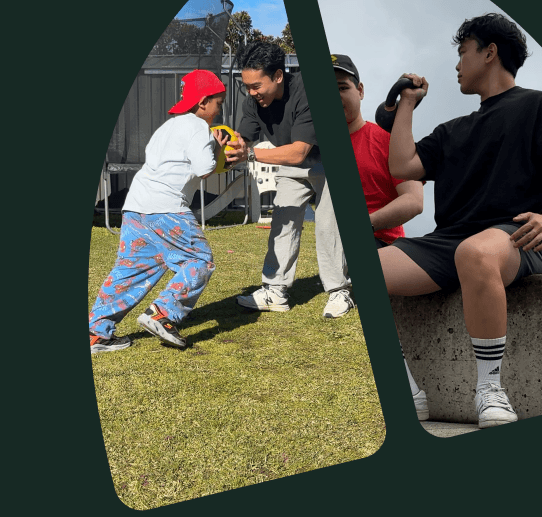
Bringing movement skills together, like watching a ball, moving into place and catching it.
Why connection comes first in play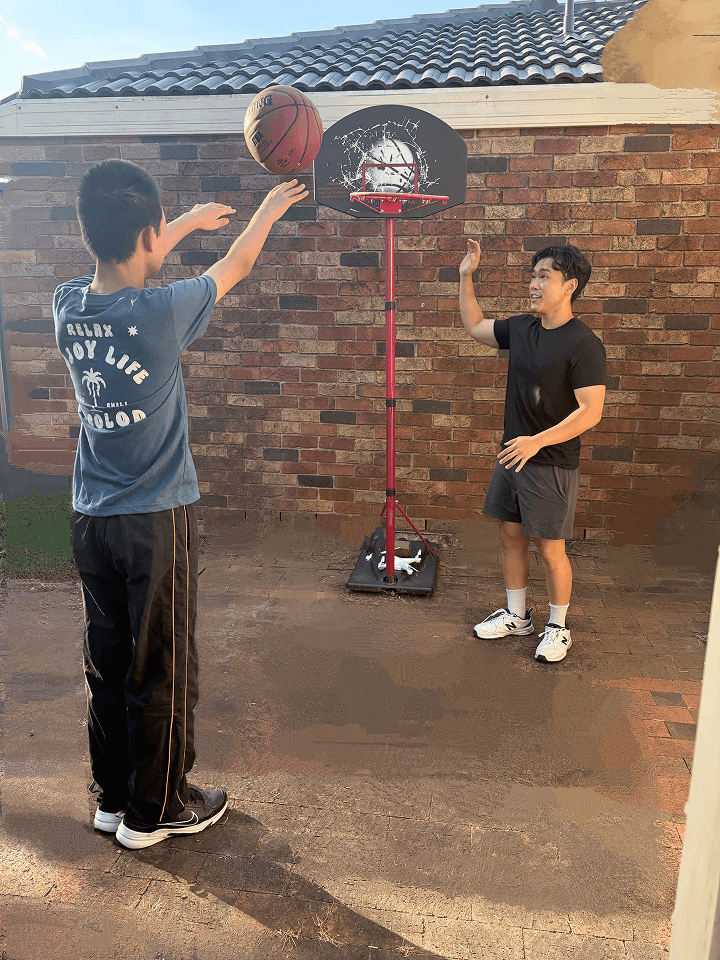
Building the stamina to keep going through play, a walk or a full session at the park.
Motivation or environment?Connection-first means getting to know your child before choosing the exercise. Their communication, interests and comfort help us make the movement practice understandable and worthwhile.
This isn't behaviour therapy or a social-skills class. If motor planning, fitness or joining in play is the gap, that's the work we do.
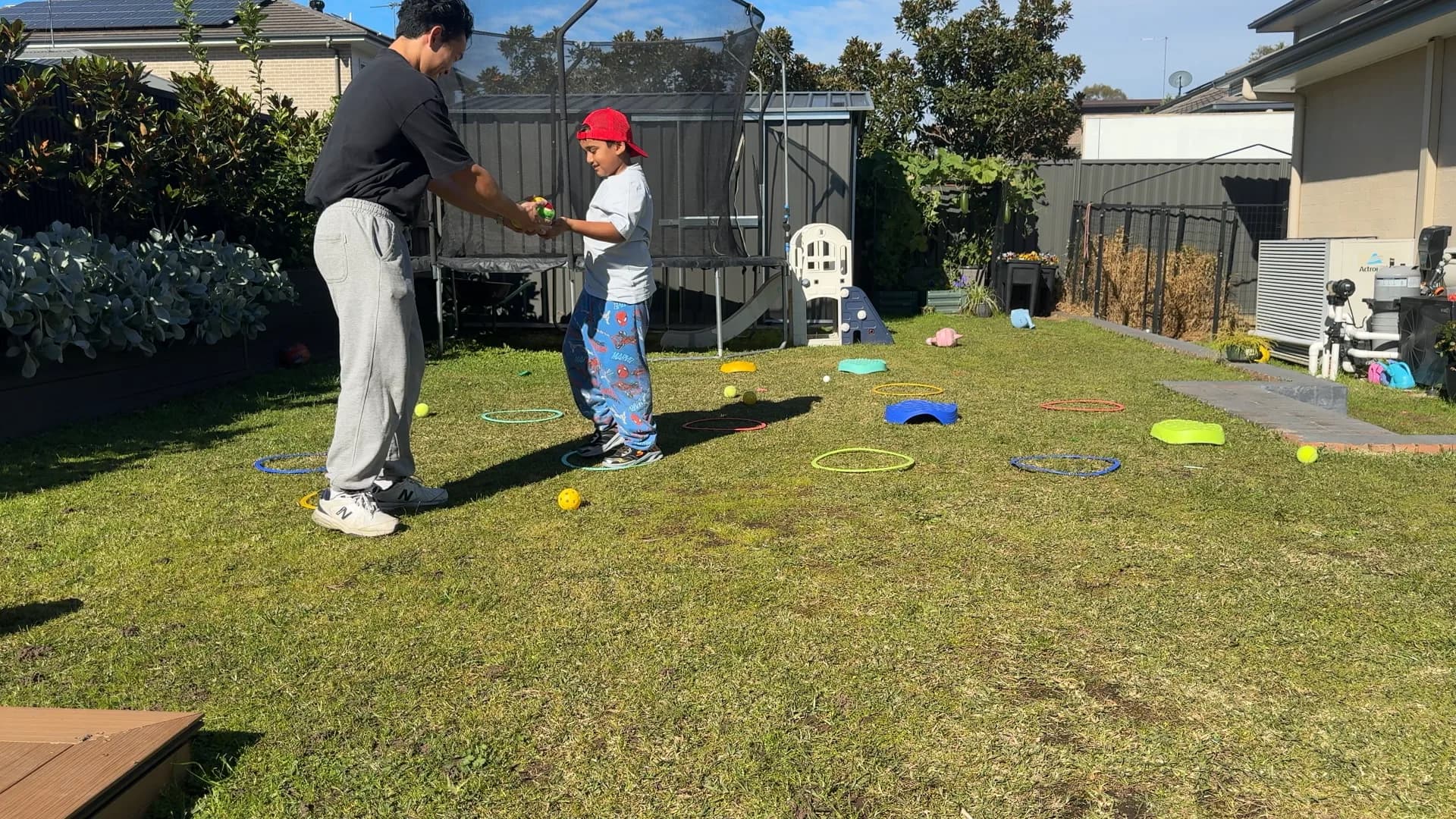

We learn how your child prefers to communicate and give instructions in a way that's clear for them, whether that's spoken, visual or demonstrative.

A favourite game, character or theme can shape the activity, so practice connects to something your child wants to do.

We keep the session rhythm familiar and give your child time to process, respond and try again without rushing.

Your child gets to have a say in what we play and how we practise. That choice is part of how we build trust and engagement.
For many autistic kids, the environment gets in the way before the movement does. Bright lights, noisy gyms, unclear instructions and a stranger asking for eye contact can end a session before it starts. So we take those out.
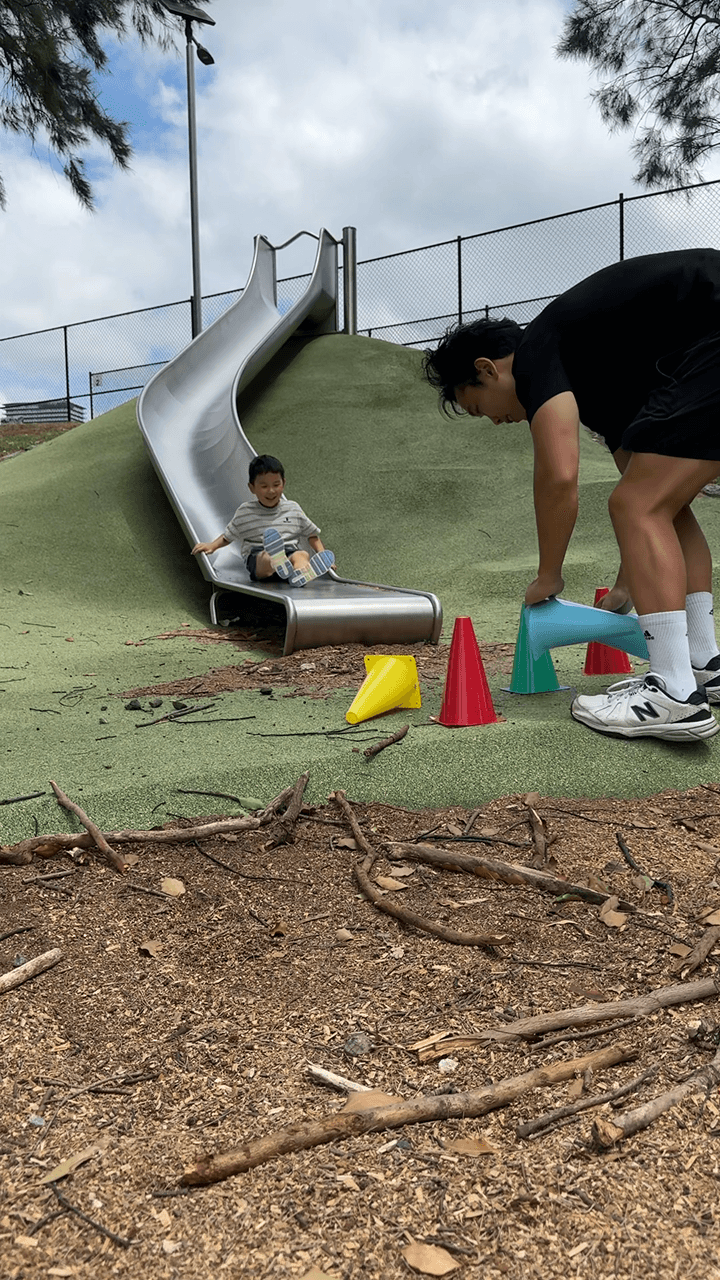
Sessions happen at home or a quiet local park your child is used to. No waiting room, no clinic they've never seen.

The session follows the same structure each time, so nothing comes as a surprise. If your child is having a harder day, we change how much we do, not the whole format.
One step at a time, shown as well as said. Your child can watch first, try when ready and take a break when they need one.

You're welcome nearby for the whole session. Tell us about noise, textures, equipment or anything else that tends to overwhelm your child, and we'll plan around it.
We'll assess your child's balance, coordination and fitness around an activity they want to do, then adapt the practice and review how they're getting on.

We talk with you and your child about interests, communication, what helps them feel comfortable and what they want to join in with.

Your exercise physiologist looks at the physical skills behind the goal, like balance, coordination or fitness, and notices what's already working.
We adapt an activity, cue and level of challenge so the movement is clear, achievable and worth repeating. Play gives the practice a purpose.
We talk about what's working, adjust the plan and build towards the next step, keeping the activity your child chose at the centre. You get a plain recap of what we practised and why.
You know your child's routines, what's worked and what hasn't. That context helps us pick a starting point that fits everyday life, and we keep you across the goal and how the plan is going.
Between sessions, we might suggest a short, optional practice idea that fits your child's day, like rolling a ball across the grass or moving through a few hoops in the backyard. It's there if it helps. It's not compulsory homework, and we adjust it if it doesn't suit your family.
Explore NDIS exercise physiology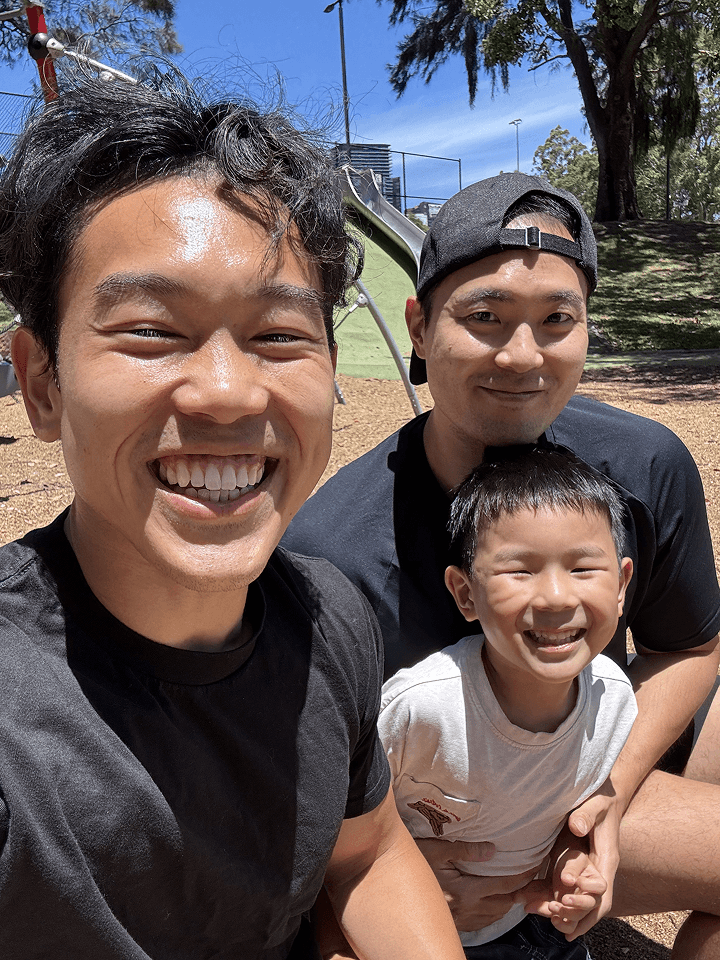
Sessions can take place at home or in a suitable local setting, with space and activities that suit your child. Tell us your Sydney suburb, access needs and preferred times so we can check availability and agree on the location.

Liverpool, Fairfield, Campbelltown and surrounding suburbs
Blacktown, Parramatta, Penrith and surrounding suburbs
Ashfield, Marrickville, Burwood and surrounding suburbs
Sydney CBD and nearby suburbs
Castle Hill, Kellyville and surrounding suburbs
Miranda, Cronulla, Sutherland and surrounding suburbs
Drift Health has served Sydney families for more than 8 years, and over 130 families have worked with our exercise physiologists and physiotherapists on movement, fitness and confidence.
What we've learned is simple: kids join in more when the setting is familiar, the session is predictable and the clinician adapts to them. That's how every session is built.
Exercise physiology may be funded when it meets NDIS criteria, relates to your child's disability support needs and fits their plan. We work with self-managed and plan-managed participants. We'll explain the proposed service and fees, and help identify the funding requirements to check before starting.
Exercise physiology is often funded through Capacity Building supports, such as Improved Daily Living or Improved Health and Wellbeing. The category depends on your child's plan and the support proposed.
Bring your child's plan, current goals and any allied health reports. We describe movement goals in everyday terms the plan can use, like lasting a full sport session or joining playground games.
A diagnosis alone doesn't confirm funding. If you're unsure the funding fits, ask on the free call and we'll tell you before anything is booked.
A note from Victor
I'm Victor, the head Exercise Physiologist behind Drift Health. Over 8 years working with autistic NDIS participants, the pattern I keep seeing is the same: exercise works when the environment is familiar, the structure is predictable, and the practitioner adapts to how someone communicates and regulates, instead of the other way around.
That's why we come to you, hold a session structure that stays consistent across visits, and shape the program around the way the person already moves.
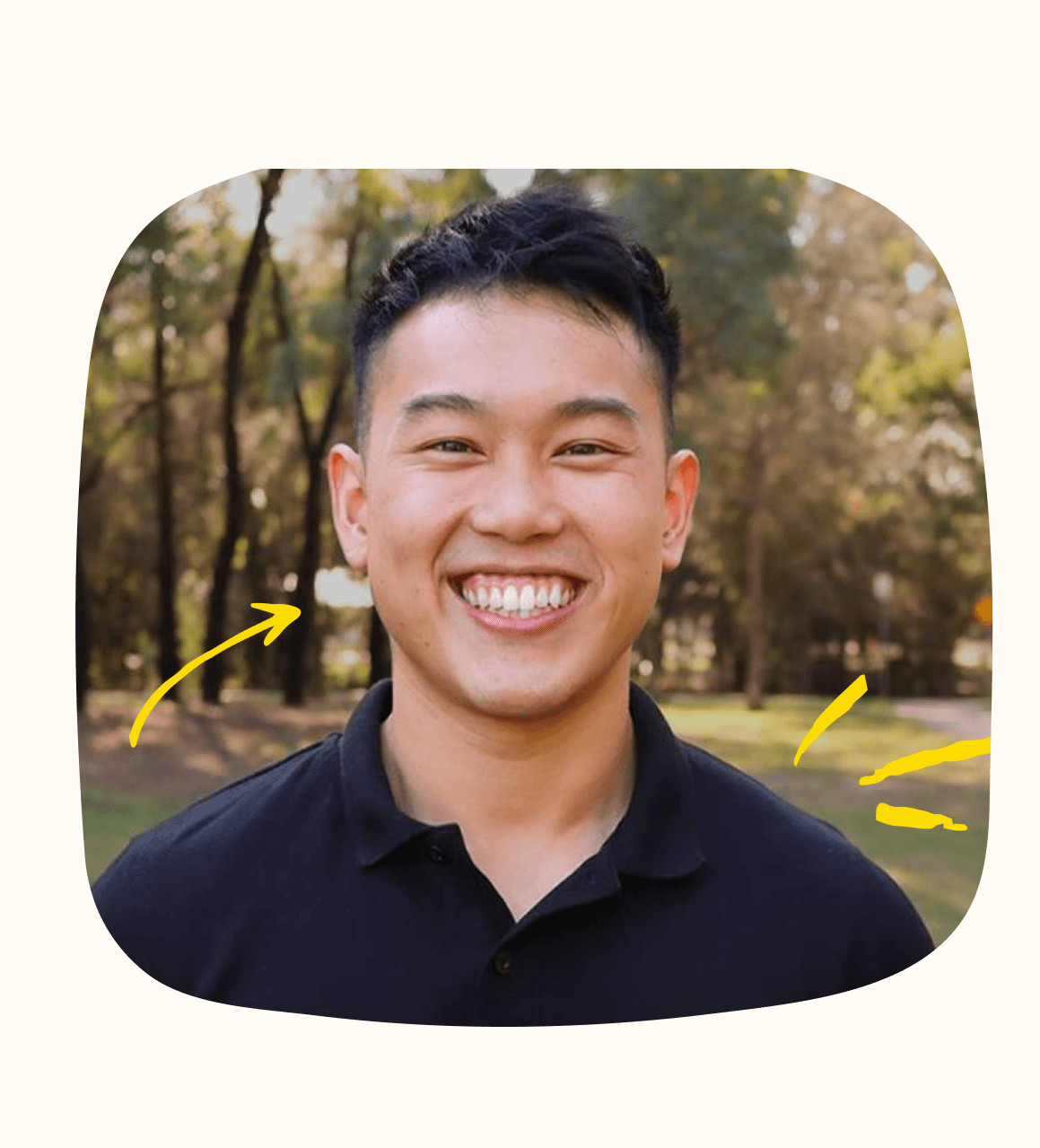
Our exercise physiologists work with children and build movement practice around interests and goals. Some of our physiotherapists also work with children, so if your child's needs sit across both disciplines, we can talk about which clinician fits best.
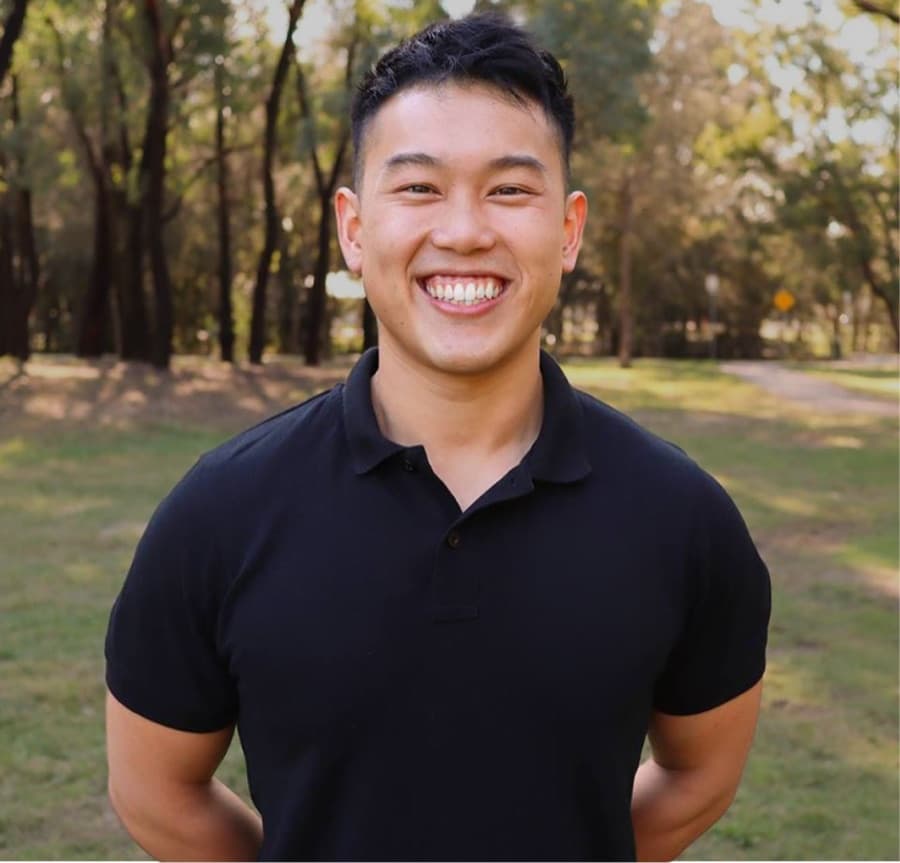
Victor
Director & Head Exercise Physiologist
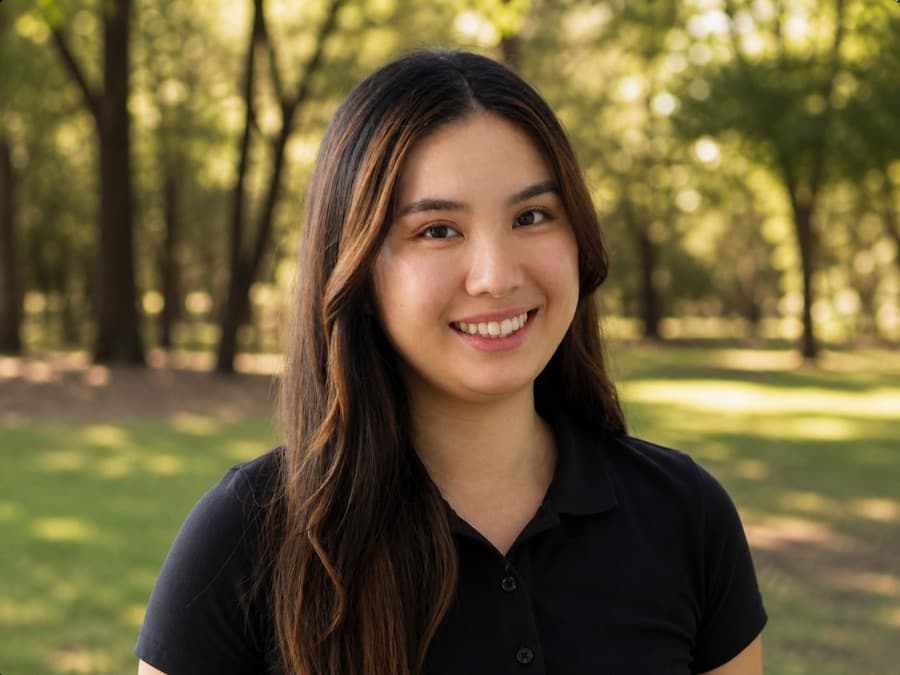
Jennifer
Exercise Physiologist
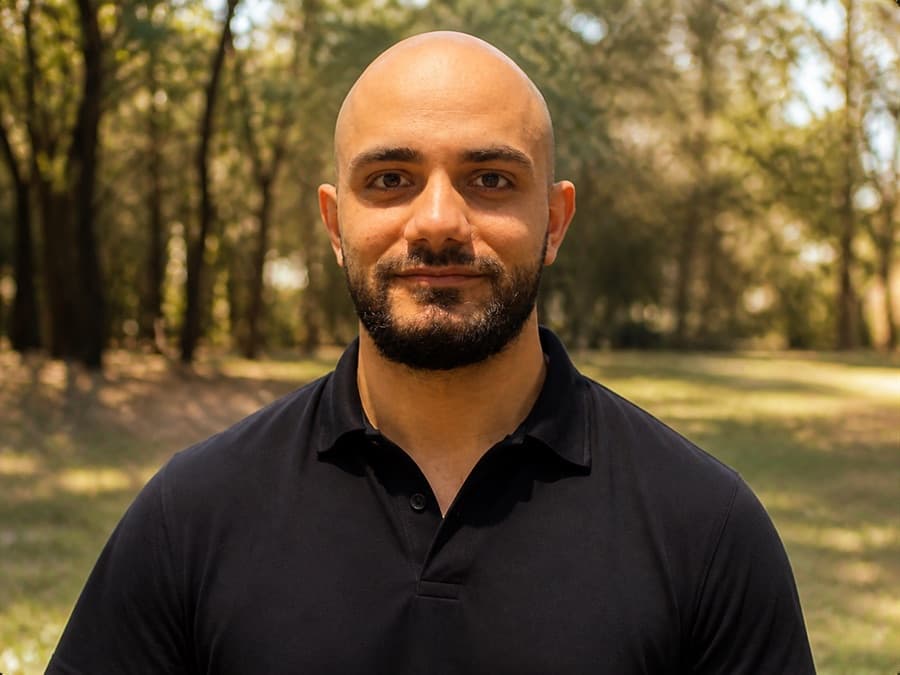
Michel
Exercise Physiologist
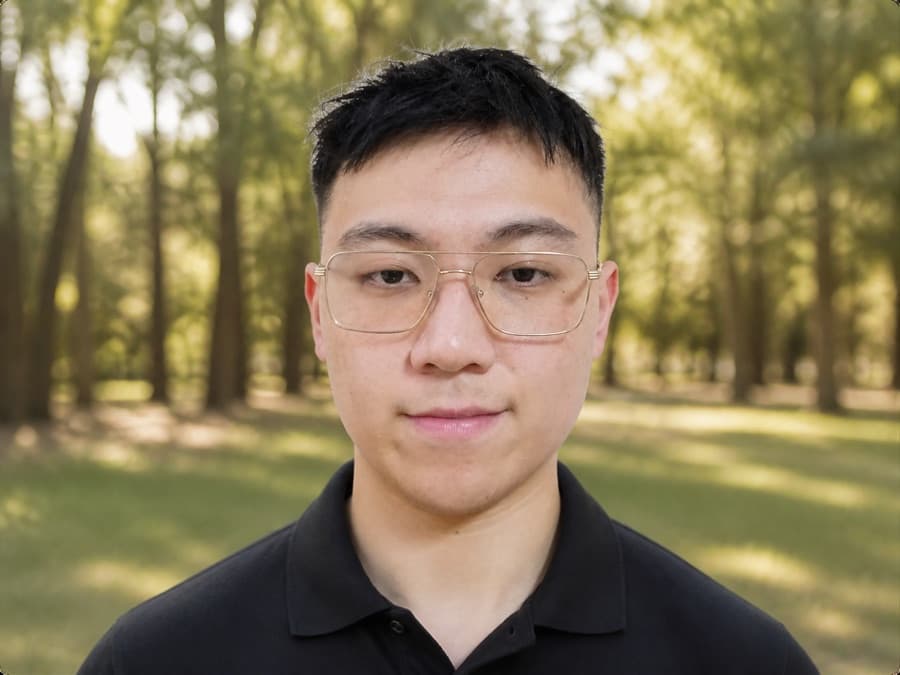
Conan
Exercise Physiologist
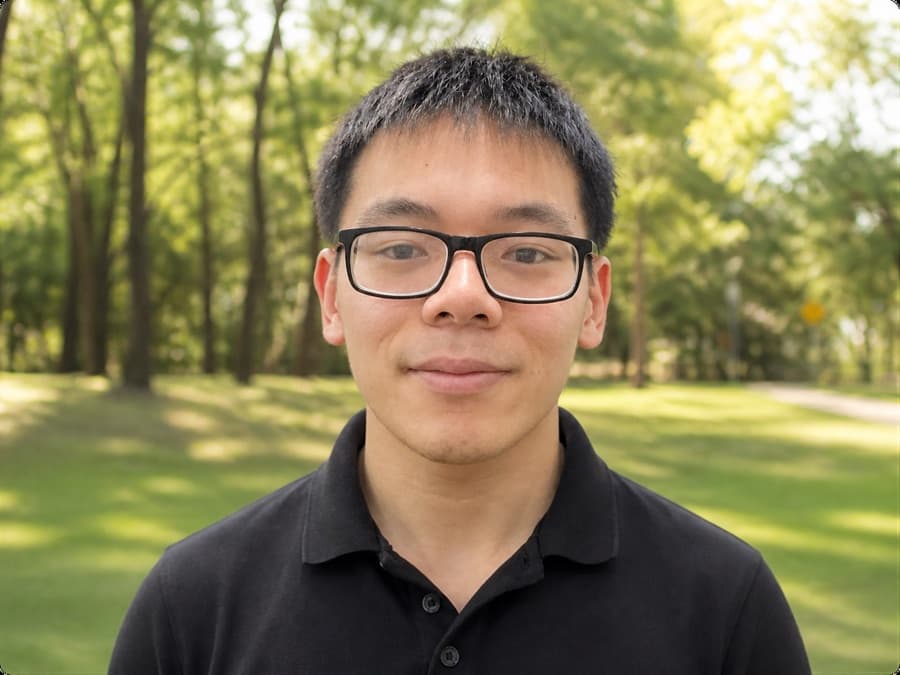
Tony
Exercise Physiologist
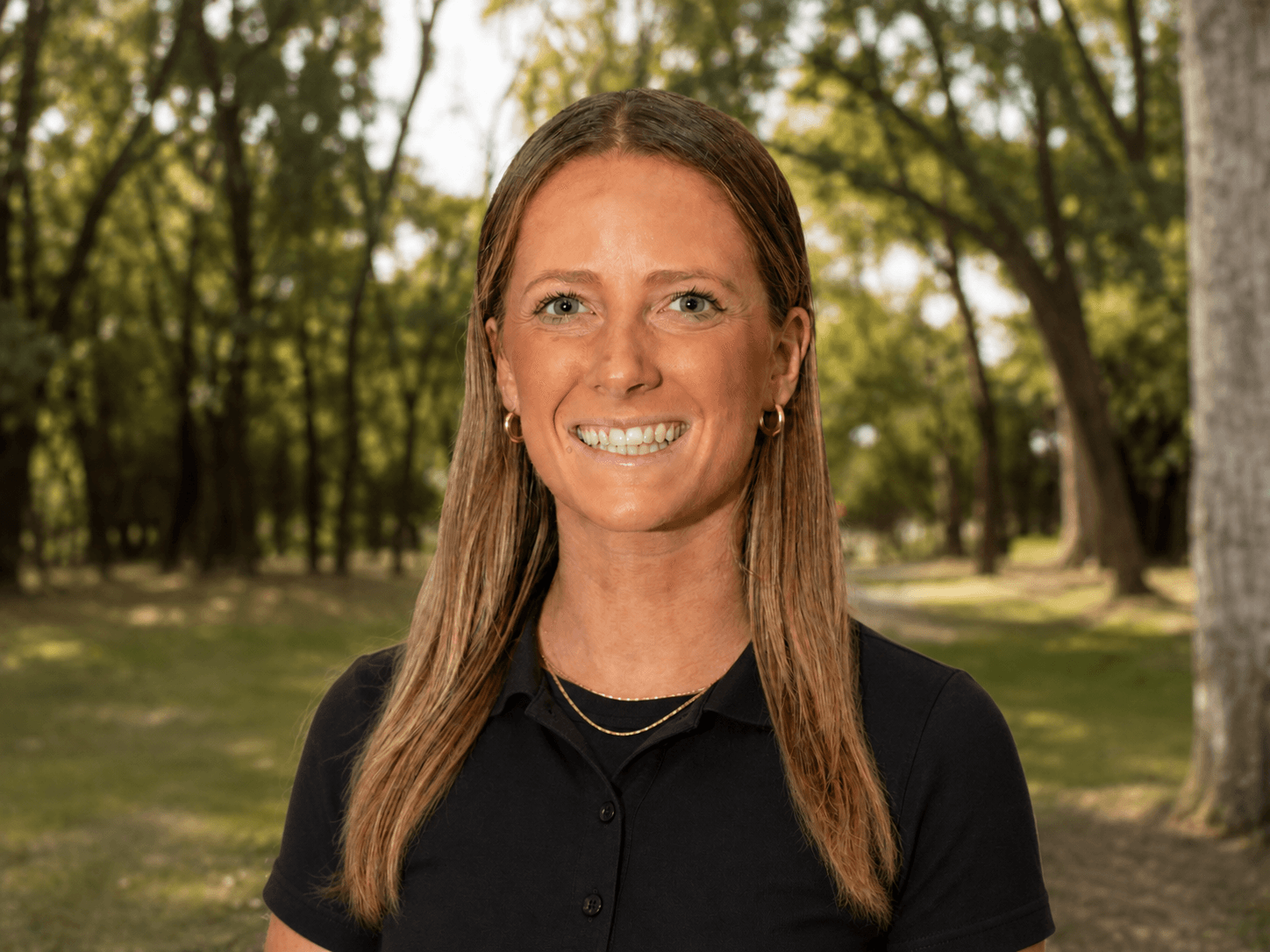
Laura
Exercise Physiologist
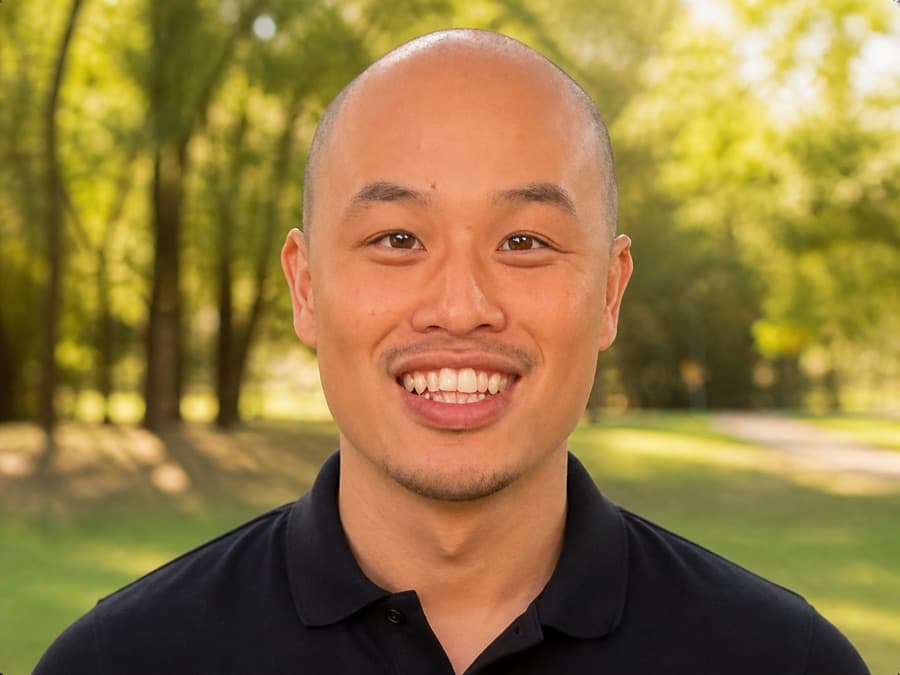
Joey
Physiotherapist
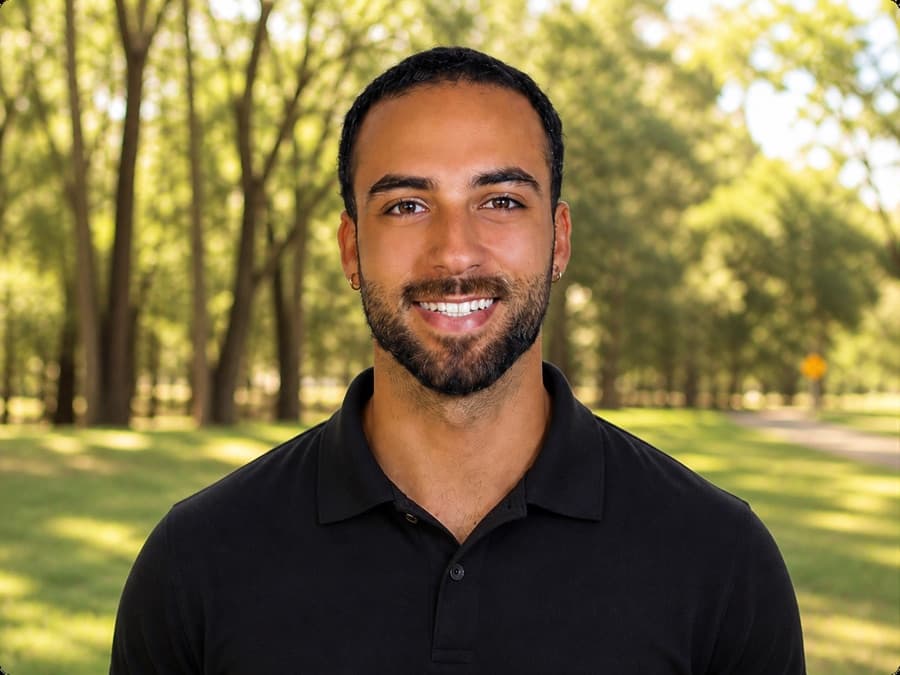
Lucas
Physiotherapist

Yes. Sport is one option, but a game, a favourite interest or another activity your child enjoys can be a better way in. We shape the movement work around whatever your child actually wants to do, and enjoyment of sport isn't a condition of working with us.
We get to know how your child prefers to communicate first. That might be spoken language, visual cues, gestures or demonstration. We keep instructions brief and give your child time to process and respond.
Exercise physiology is an example of an NDIS therapy support, but funding depends on current criteria, the participant's disability-related needs and their plan. A diagnosis alone doesn't confirm funding. We work with self-managed and plan-managed participants. Drift Health isn't a registered NDIS provider, so NDIA-managed plans can't be used with us.
We work with children, and the right starting age depends on your child's goals and needs. Get in touch and we'll talk through whether we're a fit for your child's situation and stage.
Most of the autistic people we work with are children and teens. We also work with autistic adults on NDIS plans who want the same familiar, low-sensory format at home or a local park. Tell us who the sessions are for and we'll talk through fit.
Not quite. Physiotherapy is often the better fit for an injury, pain or a specific joint problem. Exercise physiology focuses on fitness, movement skills, stamina and building a routine your child will keep. Some kids benefit from both, and we'll tell you if we think that's the case.
Yes. We're happy to work alongside your child's other supports, like occupational therapy or speech pathology, where it helps keep goals consistent. We'll ask what's already in place so we don't duplicate work.
The free 15-minute NDIS Exercise Health Check is a conversation about your child's goals, the service and whether we're a suitable fit. A movement assessment and personalised plan happen in a clinical appointment if you decide to proceed.
Many of the children we see have more than one diagnosis, or a family still working out the full picture. These pages explain how we adapt exercise physiology for related conditions, and how it differs from physiotherapy.
Tell us what your child enjoys, which movement feels tricky and what helps them feel comfortable. We'll talk through whether exercise physiology is the right fit and what the next step looks like.
A free 15-minute intro call. This is a conversation, not a clinical assessment.