


Big, deliberate movement
Practise larger steps, arm swings and reaches, then use those movements in everyday tasks such as walking down the hallway.
Exercise physiologist for Parkinson's disease in Sydney
Work on walking, balance and strength for the everyday movements that have become harder.
Maybe your steps have shortened, turning in the kitchen feels unsteady or getting out of a low chair takes a few tries. We look at the movements that matter to you and practise them at home or nearby, using big, purposeful movements.
We plan sessions around when your medicine usually works best and work alongside your neurologist and Parkinson's nurse.
A free 15-minute call about your goals and whether we can help. It's a conversation, not an assessment.
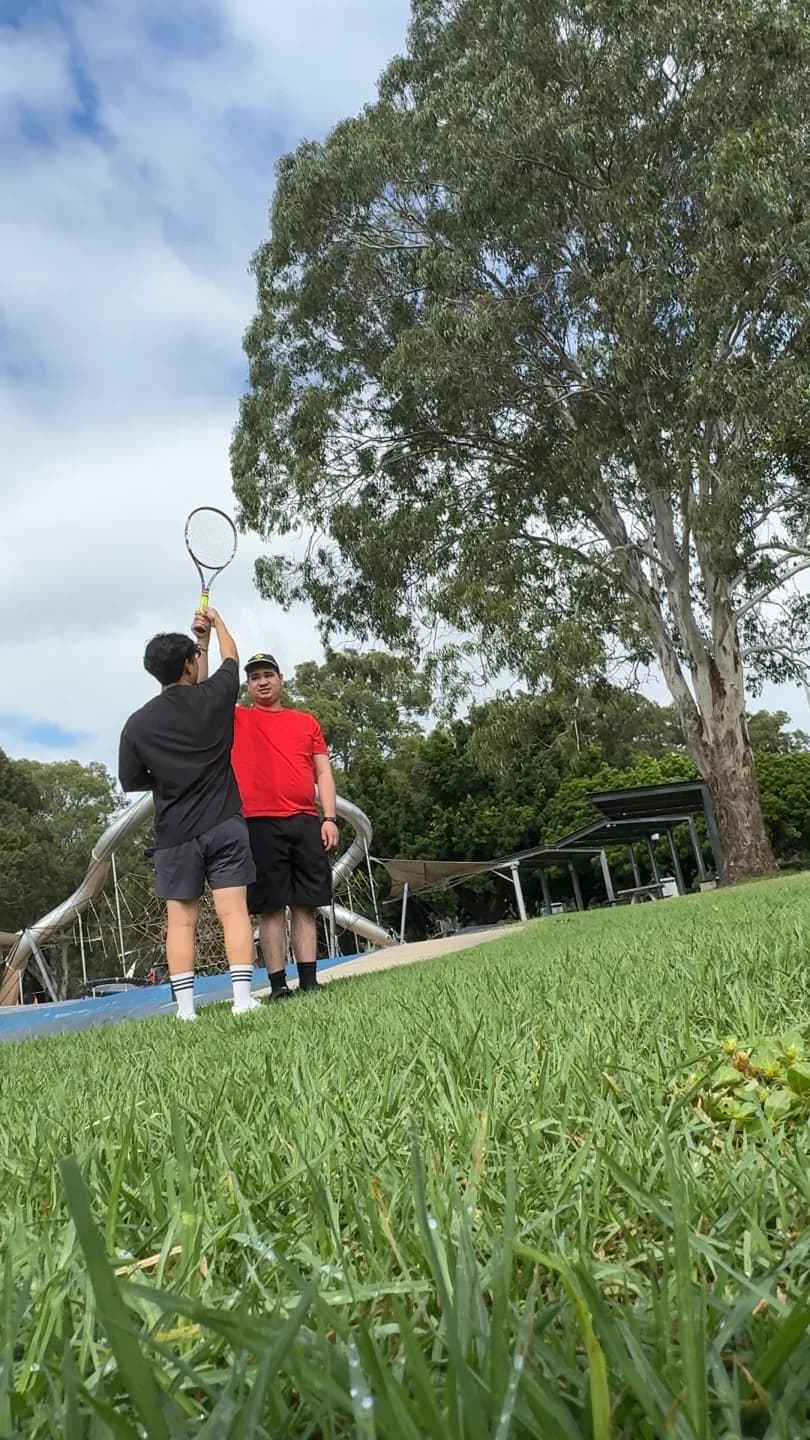

Walking, turning, standing up and the activities you want to keep doing.

More than 130 families across Sydney have worked with our team on movement, strength and fitness.

Sessions at home or in your garden, where those tricky turns happen.
Parkinson's affects everyone differently and changes over time. We start with what's getting harder for you now and choose a goal together. As things change, we revisit it.

Practise longer, deliberate steps for the walk to your letterbox or around the shops, and strategies for when your feet feel stuck.
Work on turns in a tight kitchen, getting through doorways and moving between rooms with more control.

Practise standing from a chair or couch, getting in and out of bed and, if it's your goal, getting up from the floor.

Build leg and trunk strength, posture and fitness for the things you enjoy, from gardening to a hit of tennis.
Parkinson's can make movements smaller and slower, sometimes without you noticing. We practise moving with size and purpose, and try practical cues for when movement gets stuck. Each visit reflects how you're moving that day.
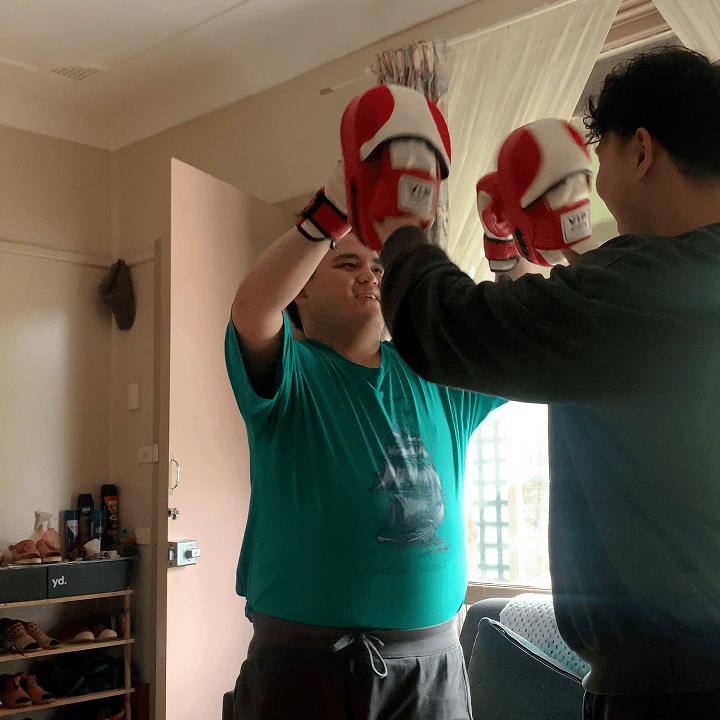
Practise larger steps, arm swings and reaches, then use those movements in everyday tasks such as walking down the hallway.

We may try counting, a rhythm, a floor target or shifting your weight before stepping. We find cues that work for you and practise where you need them.

We schedule sessions for when your medicine usually works well and adjust if the timing changes. Your doctor manages your medicines; we work around them.

Strength exercises, boxing-style pad work and balance challenges add variety while working on power, coordination and stamina.
It's normal to have questions before you start. These are some we hear often.
It's a fair worry. We check your balance first, keep a stable surface nearby and stay close while you practise. We make the exercises harder only when you're ready.
That can happen with Parkinson's. We plan around your better times and keep a lighter option ready for days when your medicine isn't working as well.
Fatigue affects many people with Parkinson's. We pace each session, include rests and adjust the plan as your energy and needs change.
Yes. With your consent, we share updates with your GP, neurologist or Parkinson's nurse and follow their advice about what's safe for you.
These are the steps we take together. Parkinson's changes over time, so we return to your goals rather than setting them once.

We talk about your goals, medicine times and the movements that worry you. Then we check your walking, turning, balance, strength and how you get up from a chair.

We put together big-movement practice, strength work and cues that help you, then practise at home or nearby. Family can learn how to help between visits.
We check progress against everyday tasks, such as turning in the hallway or getting out of the car. We adjust as your energy, needs or medicines change.
Exercise physiology doesn't diagnose Parkinson's, manage your medicines or replace your GP, neurologist, Parkinson's nurse, physiotherapist or occupational therapist. It's one part of your care, focused on how you move day to day.
If we notice more falls or near falls, dizziness when you stand, new or worse freezing, or a sudden change in how you're moving, we stop, talk it through and suggest you contact your doctor or Parkinson's nurse. Before you start, it helps to share:
 Your medicines and the times you take themWhen in the day you tend to move best, and when it's harderAny falls or near falls, and where they happenedDizziness or light-headedness when you stand upMobility aids you use, and advice from your physio, OT or neurologistOther health conditions, such as heart, bone or joint problems
Drift Health has worked across Sydney for more than 8 years. More than 130 families have worked with our exercise physiologists and physiotherapists on movement, fitness and confidence.
We bring the session to you. Practising in your hallway, at your chair or in your local park means you can work on the places where you move every day.
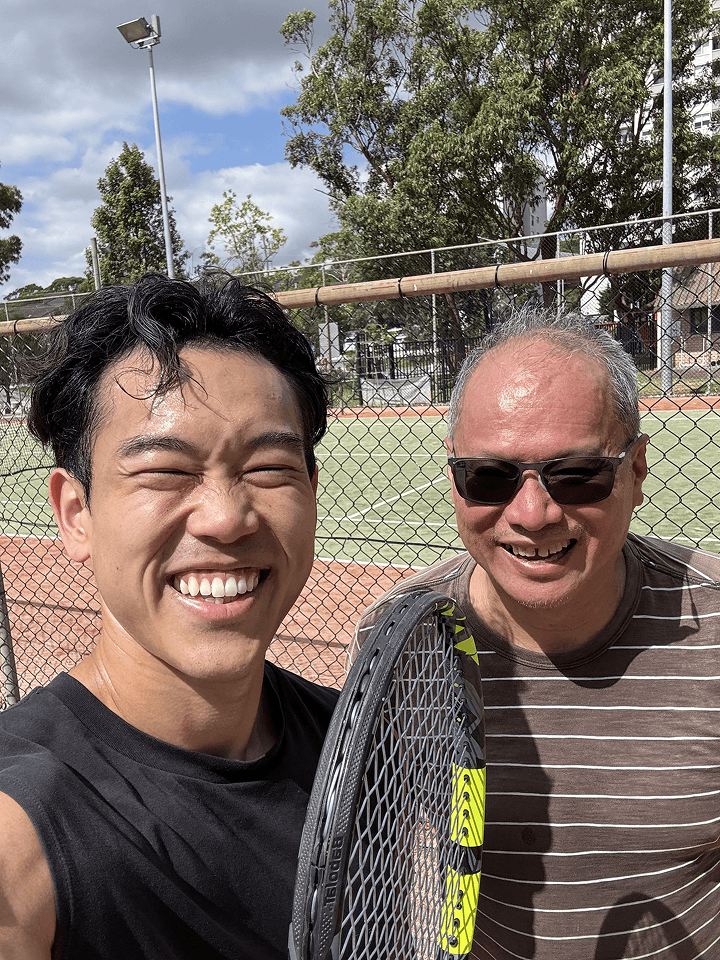
At home, we can practise the turns, steps and chairs you use each day. We can also meet at a local park to practise walking. If the weather turns, we can use a sheltered spot, your home or another venue; any venue cost is yours. Tell us your suburb and preferred times so we can check availability.

Liverpool, Fairfield, Campbelltown and surrounding suburbs
Blacktown, Parramatta, Penrith and surrounding suburbs
Ashfield, Marrickville, Burwood and surrounding suburbs
Sydney CBD and nearby suburbs
Castle Hill, Kellyville and surrounding suburbs
Miranda, Cronulla, Sutherland and surrounding suburbs
A note from Victor
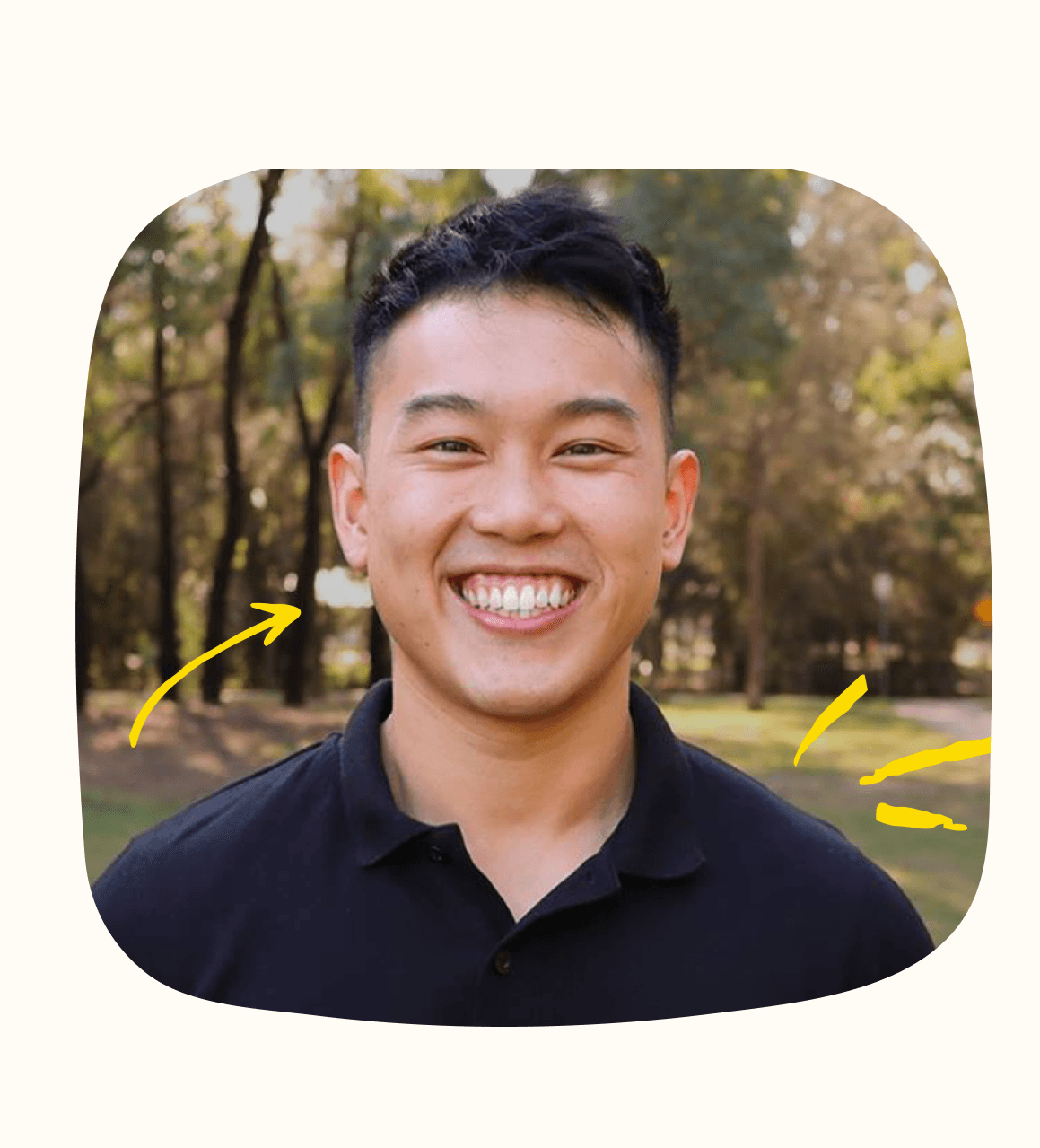
I'm Victor, Director and Head Exercise Physiologist at Drift Health. With Parkinson's, I want exercise to connect with the things you do each day: getting out of your chair, walking to the car or turning in the kitchen.
We start with what matters to you and how you're moving now. We return to those goals as things change. If your partner or family help you day to day, they're welcome to talk with us too.
Exercise physiology may be funded through the NDIS if it meets NDIS criteria, relates to your disability support needs and fits your plan. We work with self-managed and plan-managed participants. Drift Health isn't a registered NDIS provider, so NDIA-managed plans can't be used with us.
You need to apply to the NDIS before you turn 65. If you're a participant, your plan may fund exercise physiology to help build or maintain everyday function.
Exercise physiology is often funded through Improved Daily Living or Improved Health and Wellbeing. Your plan manager or the NDIA can confirm how your budget may be used.
You can see us privately. If you have Support at Home, we can ask your provider to bring us in; it's their decision. We'll explain fees and travel before you book.
Our exercise physiologists lead this work. A physiotherapist may be involved when pain or an injury needs their input. We'll match you with a clinician based on your goals, suburb and the times that suit your medicine.

Victor
Director & Head Exercise Physiologist
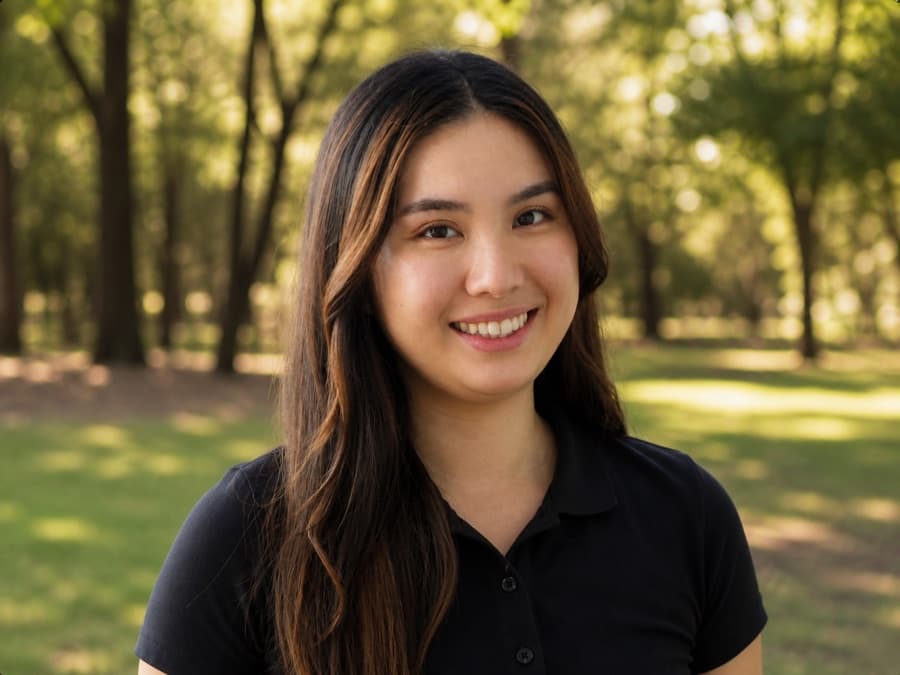
Jennifer
Exercise Physiologist
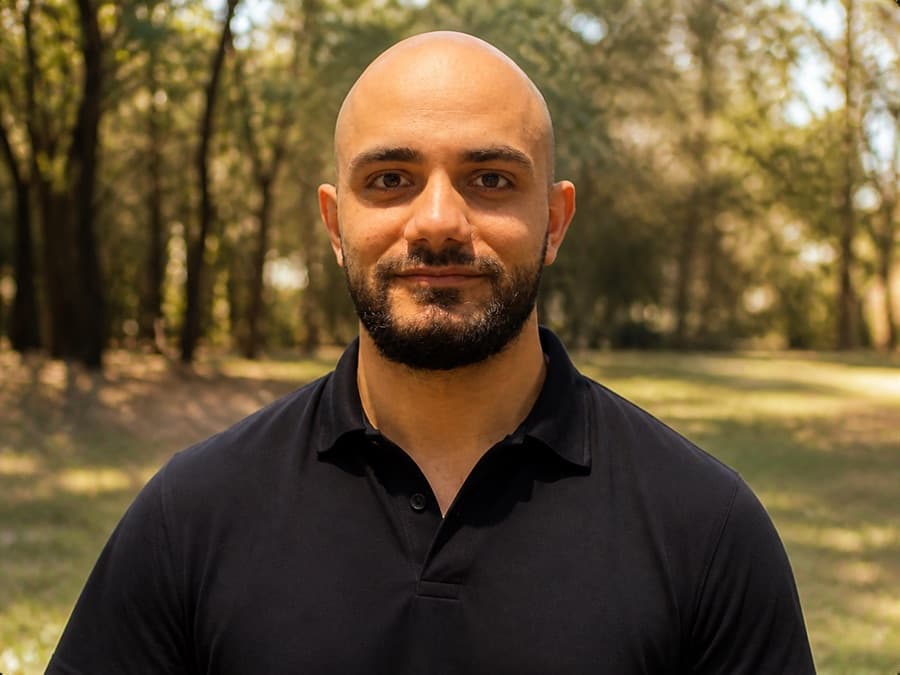
Michel
Exercise Physiologist
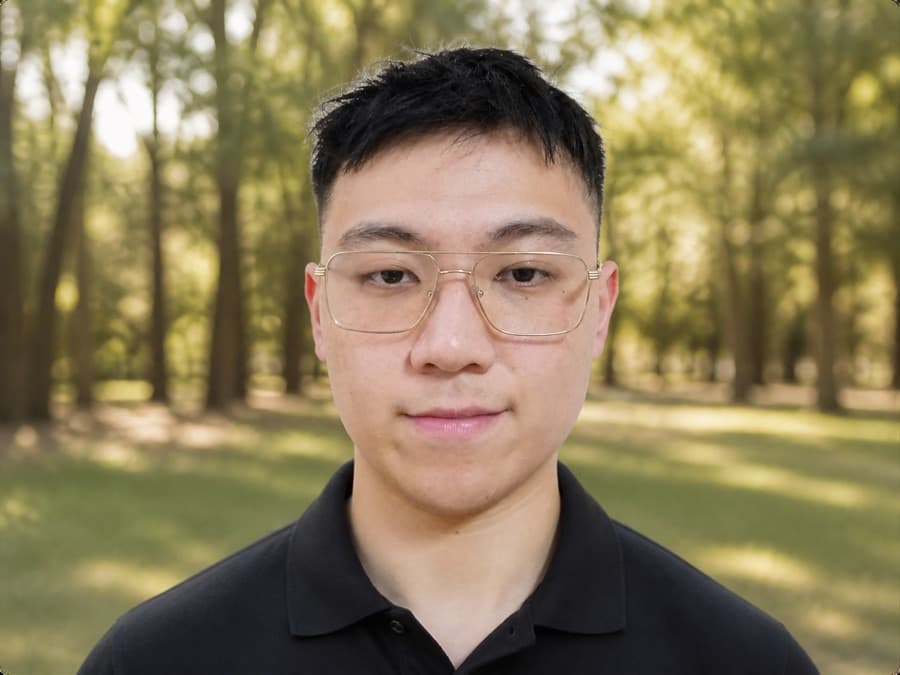
Conan
Exercise Physiologist
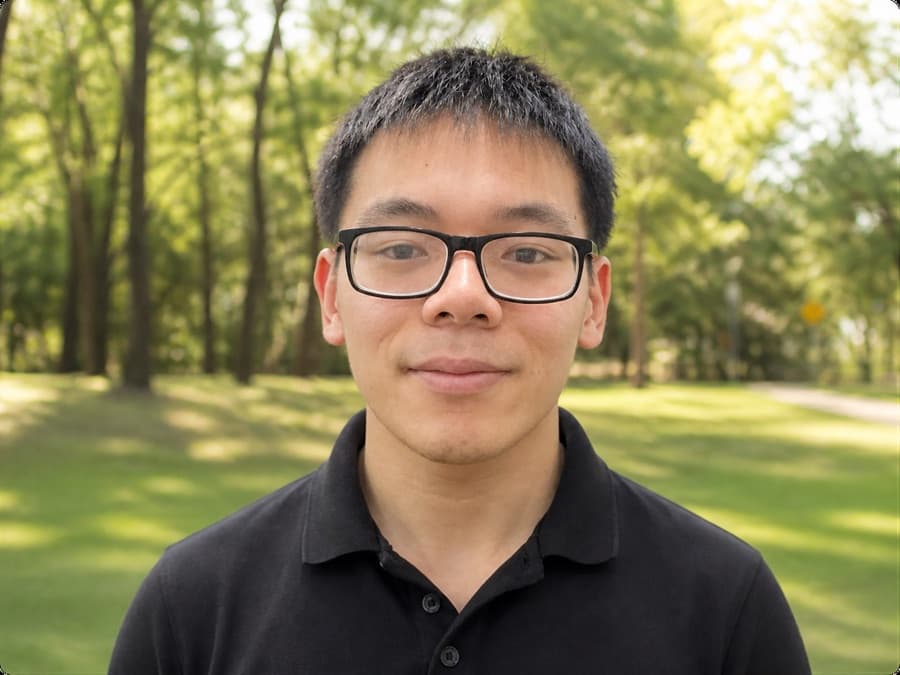
Tony
Exercise Physiologist
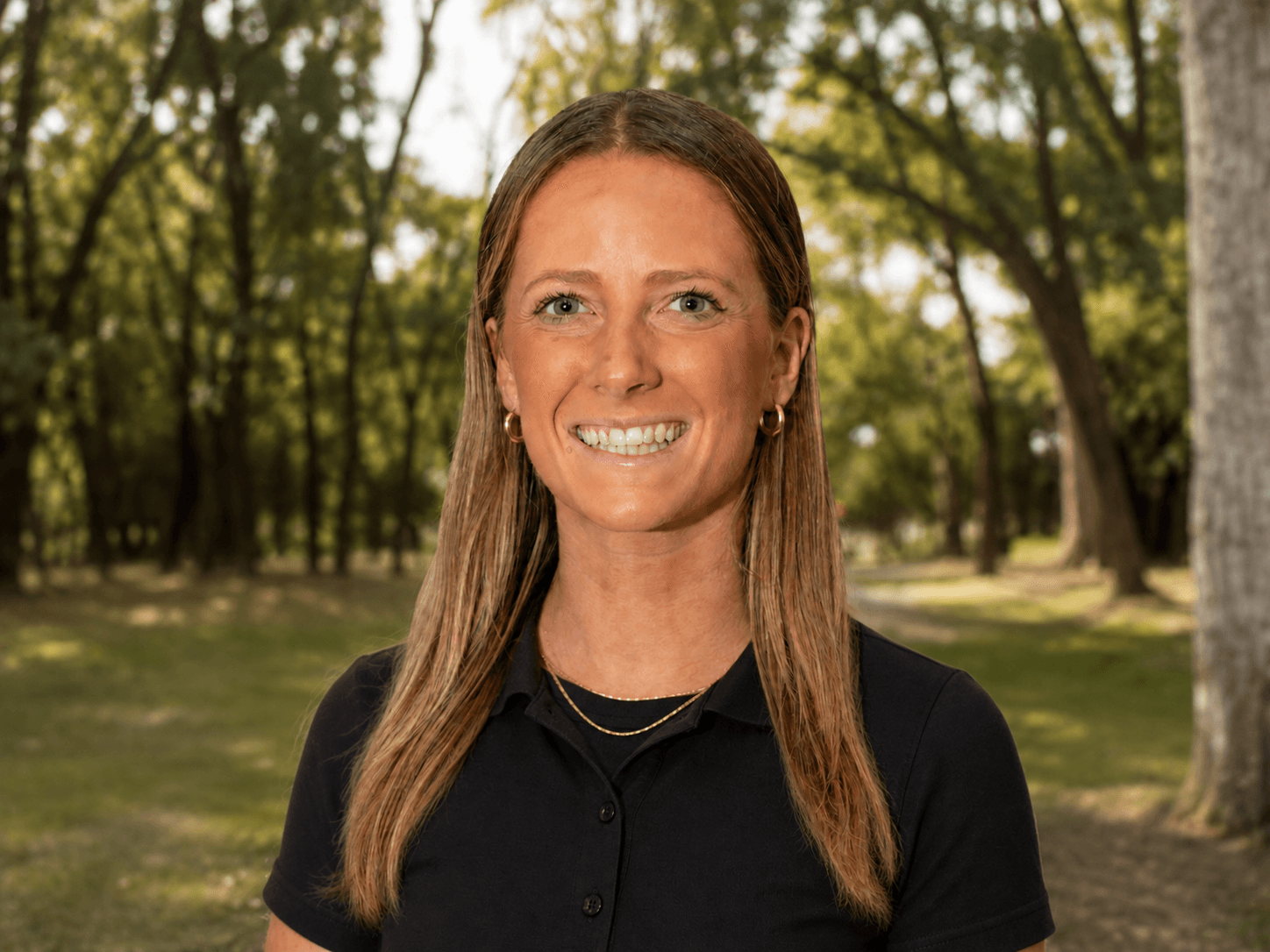
Laura
Exercise Physiologist

Joey
Physiotherapist
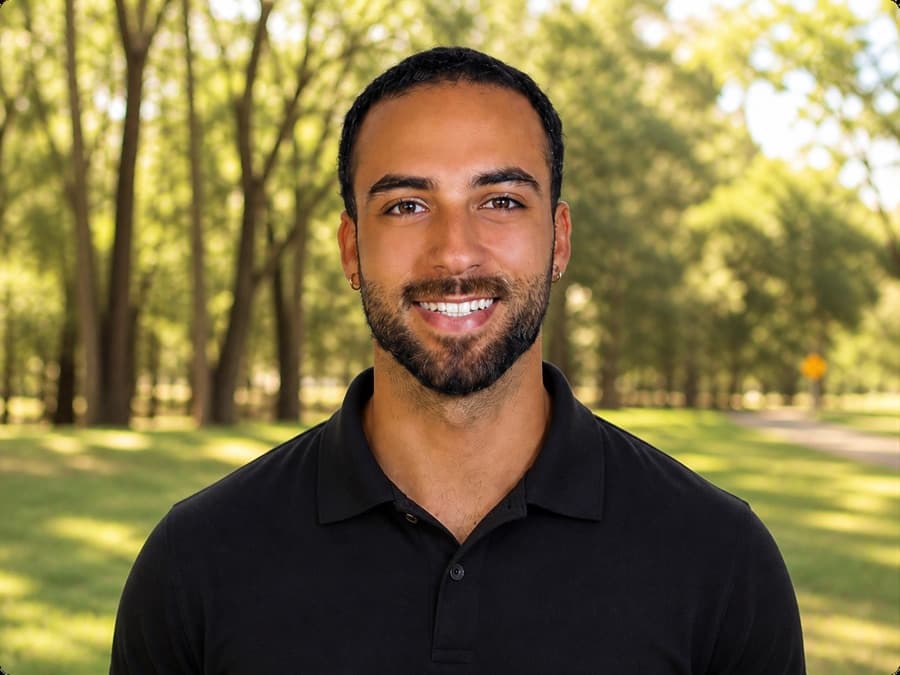
Lucas
Physiotherapist

It may. Parkinson's Australia and healthdirect say staying active may help slow the progression of Parkinson's, and research is ongoing. No one can promise that for an individual. Our focus is on what you can practise and keep doing: walking, balance, strength and getting up and down.
Usually, schedule the session when your medicine is working well, often called your 'on' time. We'll ask about your medicine times and plan around them. If your timing or medicines change, let us know and we'll adjust.
We'll stay close and help you steady yourself as we try the cues we've practised together, such as counting, a rhythm or a target to step towards. If freezing is new or getting worse, we'll suggest you tell your neurologist or Parkinson's nurse.
Yes, if you'd like. Family can learn how to set up practice safely, which cues help and when to stop. Decisions about your goals stay with you.
Yes. You can see us privately. NDIS funding is only available if you applied before turning 65. If you have Support at Home, we can talk about asking your provider to bring us in.
No. You, a family member, support worker or support coordinator can contact us. We reply within 2 business days and can usually start within 7 days. We'd still like to know your neurologist's advice. With your consent, we keep your medical team updated.
Parkinson's can affect your balance and confidence on your feet. These pages explain related support we offer across Sydney.
Tell us what's getting harder, when your medicine usually works best and who helps you day to day. We'll talk about whether exercise physiology could suit you and how sessions may work.
A free 15-minute call about your goals and whether we can help. It's a conversation, not an assessment.