
Clear verbal cues
We describe each exercise step by step, with specific words like "step forward with your left foot" rather than "over here". We tell you before we move or change anything.
Exercise physiologist for vision impairment in Sydney
Build strength, balance and confidence for getting around home, your local streets and the activities you choose.
Whether you're blind or have low vision, you might want to feel steadier on an uneven footpath, walk further or get back to a sport. We start with what you want to do, how you move now and how you prefer exercise to be explained.
Sessions happen at home or somewhere familiar nearby. We use the same setup each visit so you know where everything is.
A free 15-minute call about your goals and whether we can help. It's a conversation, not an assessment.
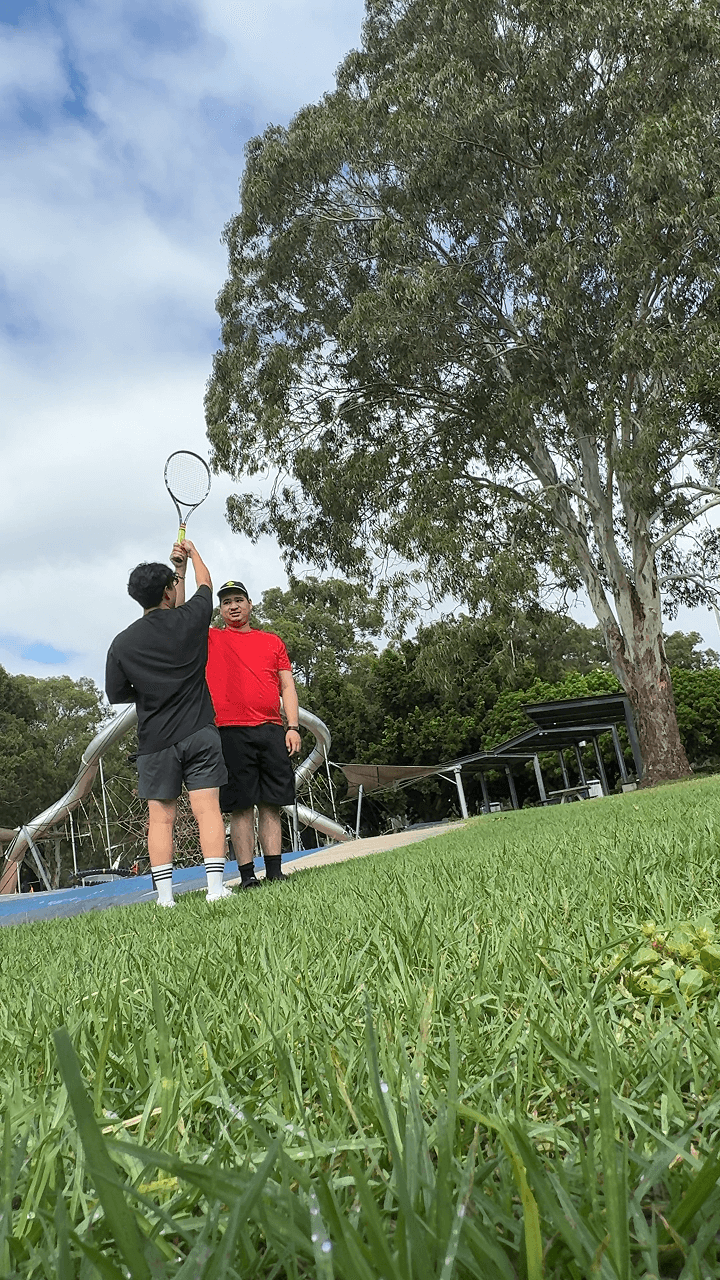

A walking route, a sport or moving around home. You decide what we work on.

People across Sydney have worked with our team on movement and fitness.

We come to you and lay out each session the way you expect it.
Exercise physiology works best when it connects to something you do. You might want to feel steadier on a familiar walk or get back to a sport. You choose what matters most now.

Steadier steps and better stamina for a route you use, like the walk to the station, the shops or a friend's place.
Balance and leg strength for the front steps, getting up from the couch, turning in a tight kitchen and carrying the washing basket outside.

Fitness and timing for a sport you play or want to try, a strength routine you can manage, or keeping up on outings with friends.
A good session starts with clear communication and a space you can trust. We ask what you can see, what lighting or contrast helps and how you prefer directions. Then we plan around your answers.
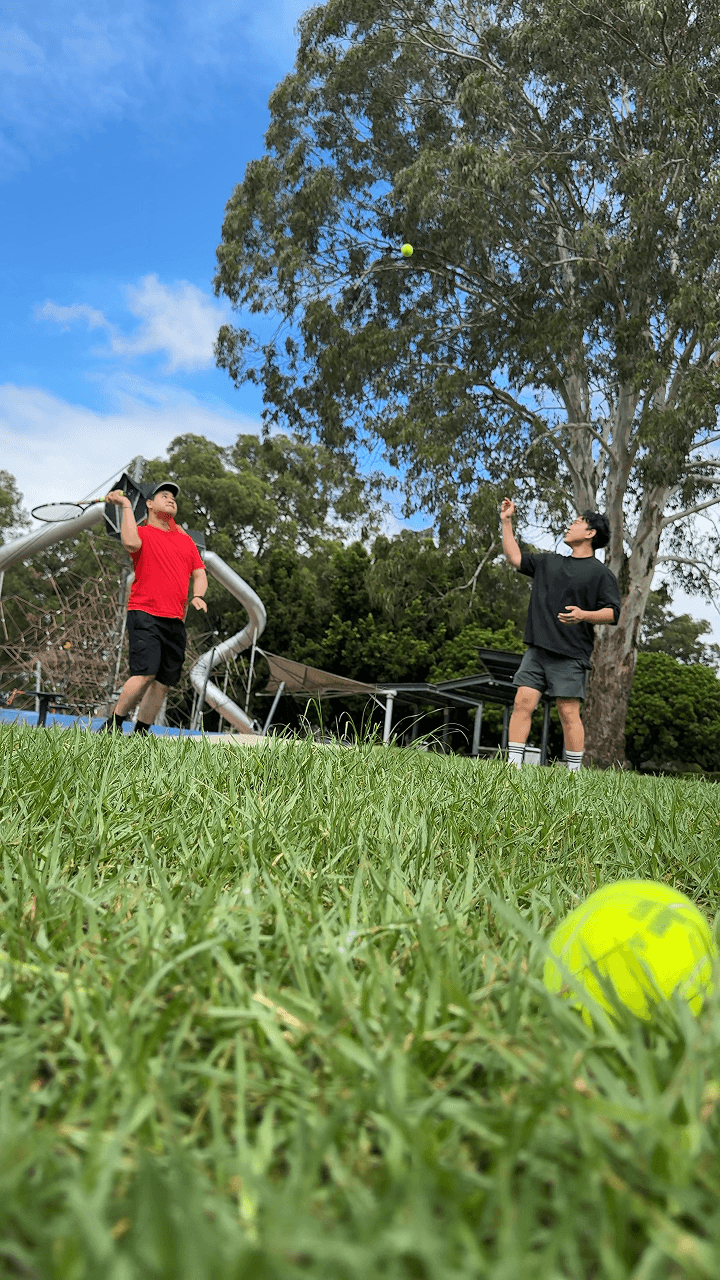
We describe each exercise step by step, with specific words like "step forward with your left foot" rather than "over here". We tell you before we move or change anything.

Some people find a light touch on the elbow or shoulder helps them feel the right position. We always ask first and explain what we'll do, and you can say no at any time.

Equipment goes in the same spot each visit, and back there after each exercise. If something has to change, we walk you through it before you start.

In a new park or room, we take time to explore it with you first: the edges, the surfaces, any steps or slopes and anything to watch out for.
These are fair concerns to raise on your first call. Here is how we approach them.
We check and clear the space first, tell you about any change in surface or level, and start with movements you can do with something solid nearby, like a bench or a wall.
Good, keep seeing them. O&M specialists teach you to find your way and travel safely with a cane, a guide dog or a guide. We work on the strength, balance and fitness behind those skills, and with your agreement we can talk with them so we're aiming at the same goals.
Your vision doesn't decide how hard you can train. We assess your fitness and health, set a challenge that suits you and adjust it with you as you go.
Sessions happen at home or a familiar local place, so you're not finding your way around strange equipment or crowds. If training at a gym is your goal, we can talk about building up to it.
We'll assess how you move now, talk about what you want to do and plan exercises to work through together, session by session.

We talk about the activity you want to work on, your vision, how you like information given and anything else that affects how you move. Then we assess your strength, balance and fitness.

We plan exercises around your goal and practise them with you each session, using the same layout and cues so you can focus on the movement rather than the room.
When you're ready, we practise where it counts, like your front steps, a local park path or a tennis court, and adjust the plan as things get easier.
Vision loss can raise the risk of falls, so we take balance and the environment seriously without making every session feel cautious. A sudden change in your vision needs medical help straight away, not exercise. If you notice one, we'll stop and ask you to contact your doctor or optometrist, or go to emergency.
Exercise physiology doesn't treat eye conditions, and it doesn't replace your eye specialist, optometrist or orientation and mobility specialist. Before you start, it helps to share:
 Your eye condition if you know it, and any recent changes in what you can seeOther health conditions and the medicines you takeMobility aids you use, such as a cane or guide dog, and how you'd like to manage them during exerciseLighting, contrast or glare that makes things easier or harder for youAdvice from your eye specialist or other clinicians about activity or liftingHow you'd like us to guide you, including whether touch cues are OK
Drift Health has served Sydney for more than 8 years, and over 130 families have worked with our exercise physiologists and physiotherapists on movement, fitness and confidence.
The approach stays the same whatever the condition: start with what the person wants to do, learn how they take in information and shape the session to fit. With vision impairment, that means clear and specific words, a setup you can rely on and goals you notice in daily life.
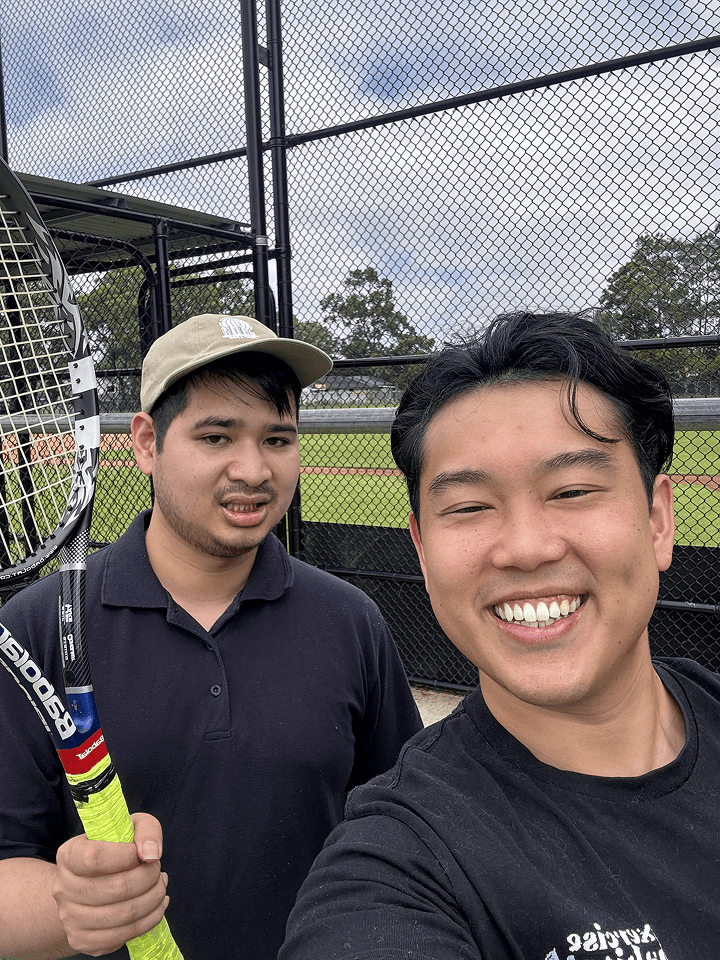
We come to your home or a local place you already know, like a park, a footpath loop or a community court. A familiar place is often easier to start in, and we can try new ones as your confidence grows. Tell us your suburb and preferred times so we can check availability.

Liverpool, Fairfield, Campbelltown and surrounding suburbs
Blacktown, Parramatta, Penrith and surrounding suburbs
Ashfield, Marrickville, Burwood and surrounding suburbs
Sydney CBD and nearby suburbs
Castle Hill, Kellyville and surrounding suburbs
Miranda, Cronulla, Sutherland and surrounding suburbs
A note from Victor
I'm Victor, Director and Head Exercise Physiologist at Drift Health. If you want to walk to the shops without feeling on edge, or get back on a tennis court, that's what we build the plan around.
We begin by listening: how you see, how you like things explained and what you've already tried. If an orientation and mobility specialist, family member or support worker is part of your support, we're happy to hear from them too.
Exercise physiology may be funded when it meets NDIS criteria, relates to your disability support needs and fits your plan. We work with self-managed and plan-managed participants, and we'll explain the proposed service, fees and travel before you book paid sessions.
Therapy supports are about things like moving around your home or using public transport. Vision impairment alone doesn't make exercise physiology claimable.
Drift Health isn't a registered NDIS provider, so we can't be paid through an NDIA-managed plan. Your plan manager or the NDIA can confirm how your funding may be used.
You can see us as a private client. We'll talk through fees and travel before anything is booked.
Our exercise physiologists lead this work, and our physiotherapists step in when pain or an injury needs their input. We match you with a clinician based on your goals, your suburb and your preferences.
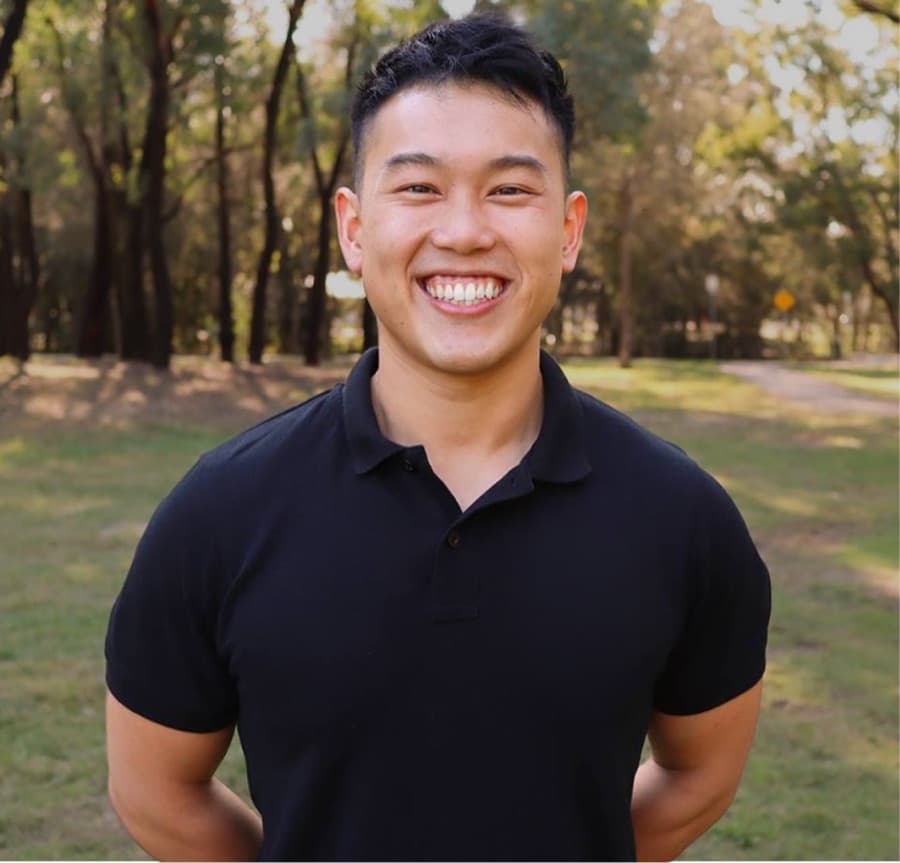
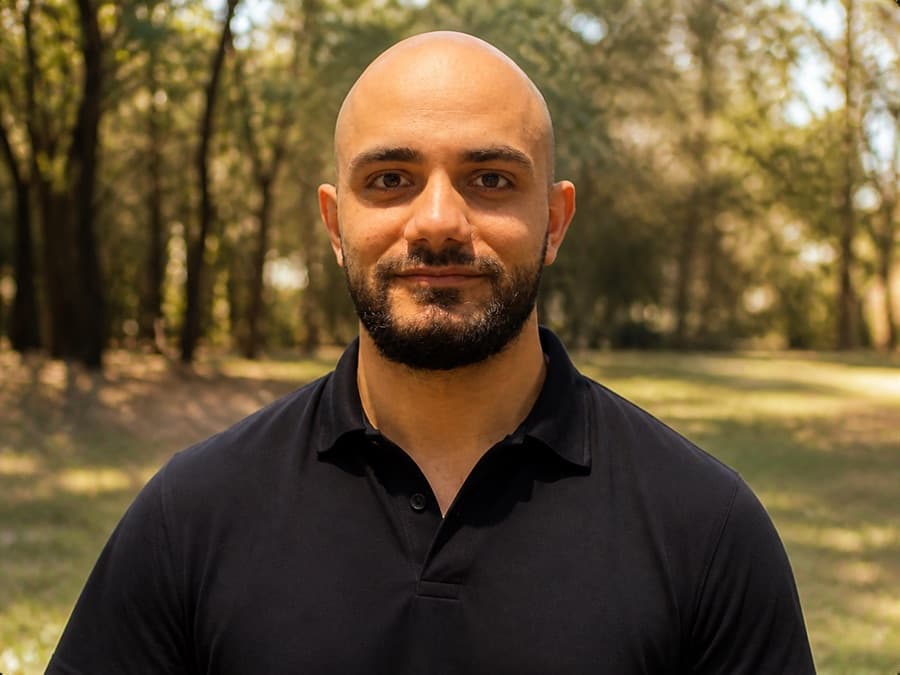
Victor
Director & Head Exercise Physiologist
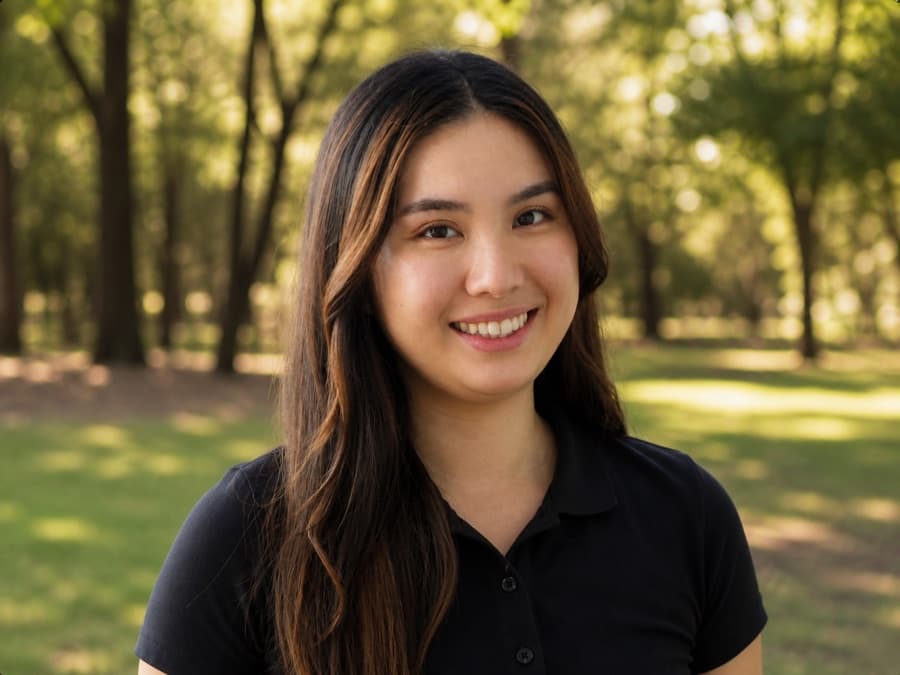
Jennifer
Exercise Physiologist
Michel
Exercise Physiologist
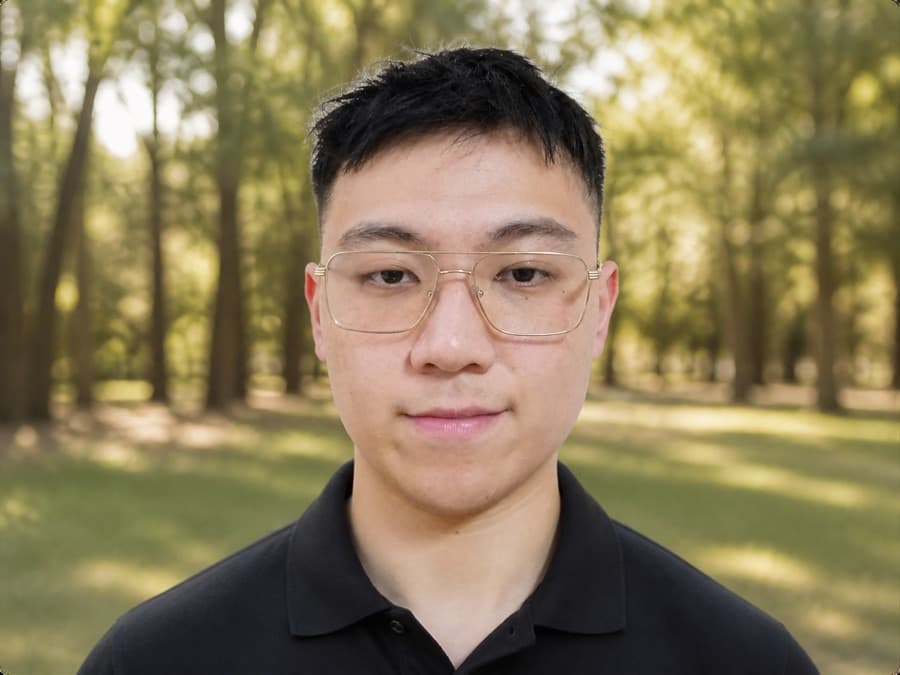
Conan
Exercise Physiologist
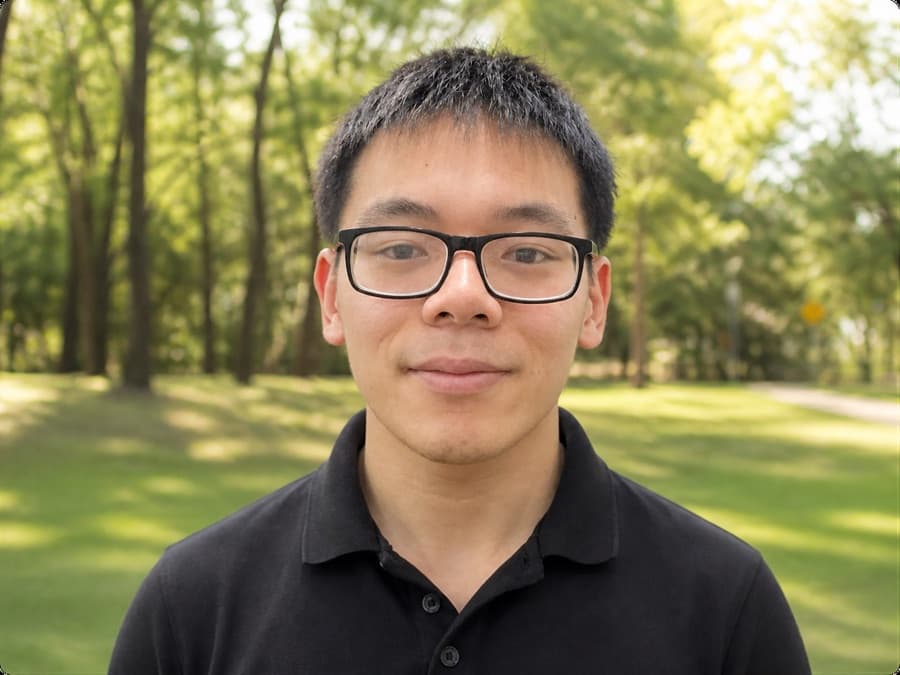
Tony
Exercise Physiologist
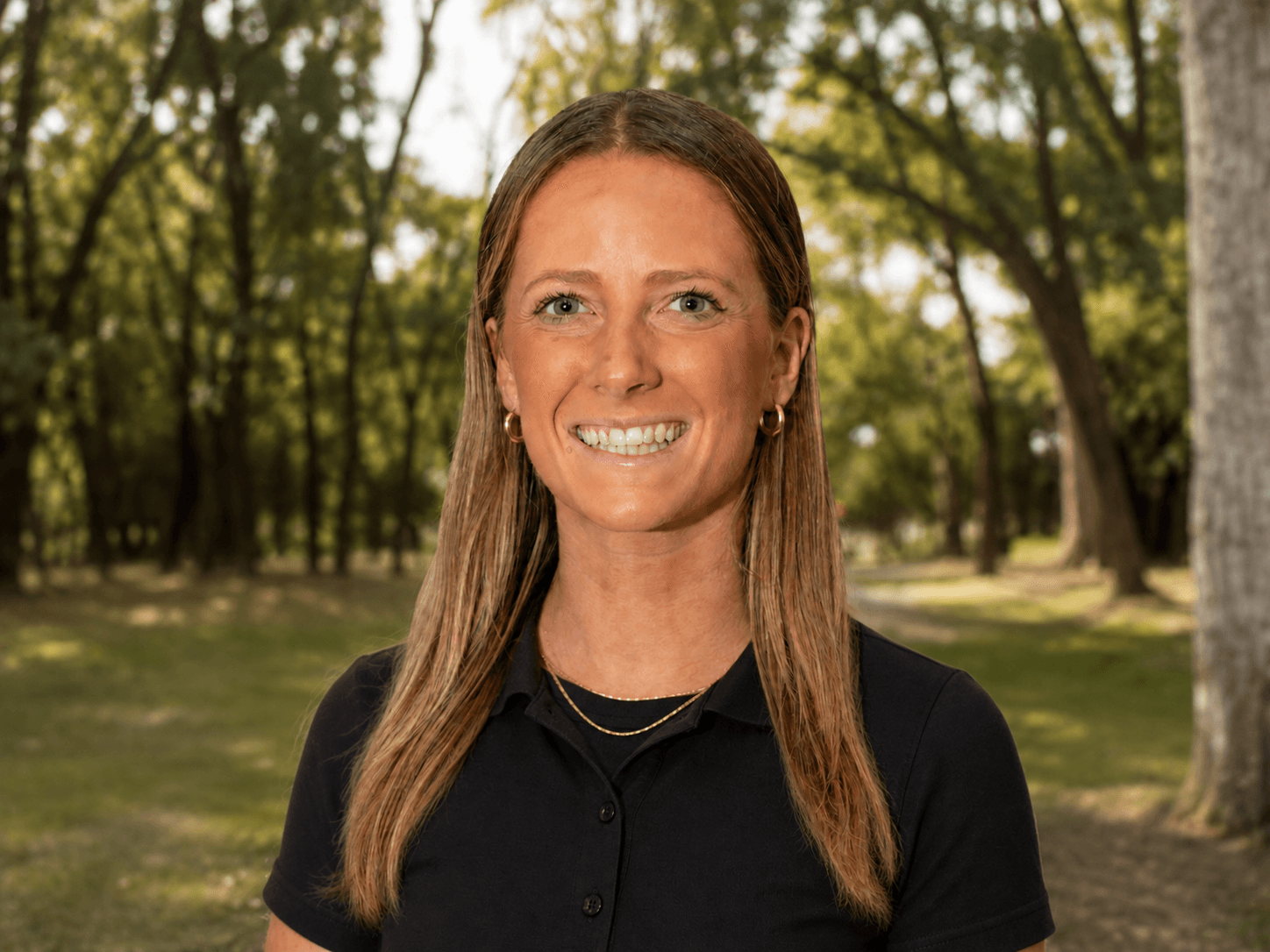
Laura
Exercise Physiologist
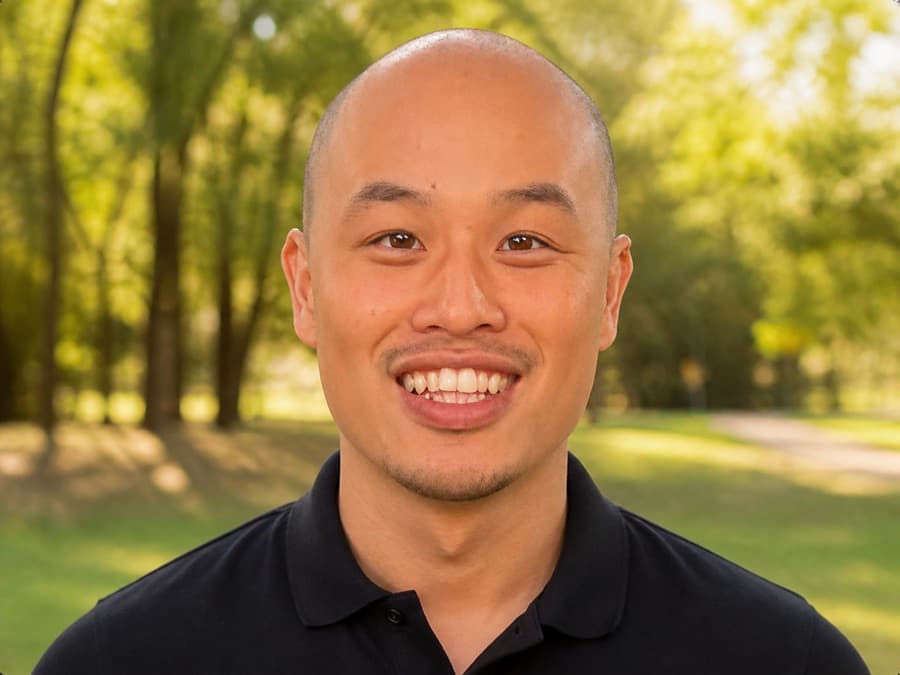
Joey
Physiotherapist
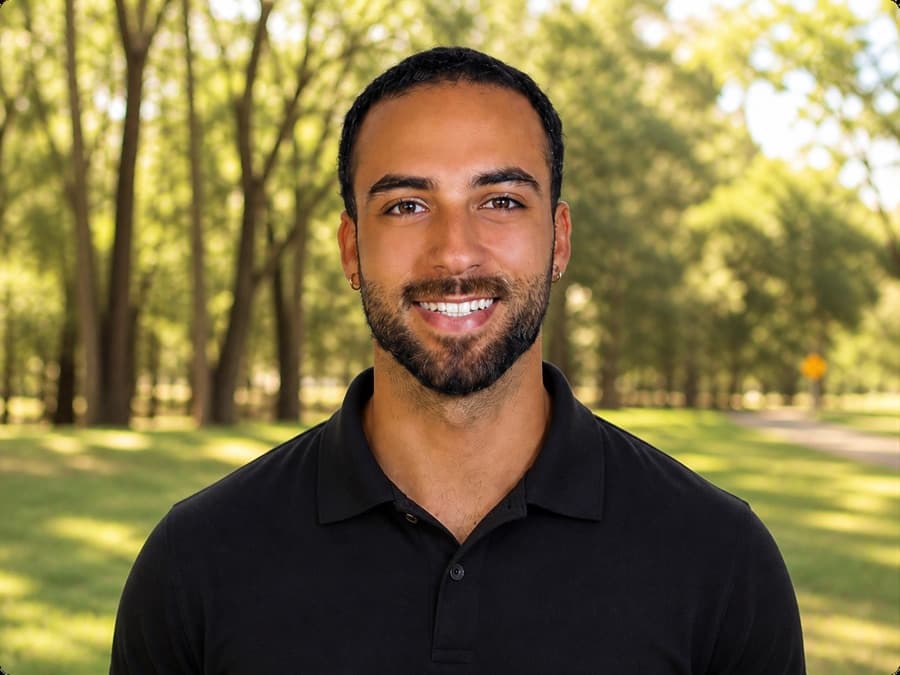
Lucas
Physiotherapist

No. This page is for adults who are blind or have low vision, whatever label you use. What matters is how your vision affects the way you move and what you want to work on. NDIS funding is a separate question that depends on your plan.
No. Orientation and mobility specialists teach you to know where you are and travel safely, including cane skills, guide dog work and learning routes. We focus on the strength, balance and fitness that support getting around. The two sit well side by side, and we're happy to coordinate with your O&M specialist if you'd like.
Yes. Let us know how you and your dog like to work, and we'll plan the space and breaks around that. We won't distract or handle your dog without asking.
It depends on your goals and health, not your vision. You might want to walk further, get stronger or play a sport. We assess how you move now, set a starting point that suits you and build from there.
Yes, if you'd like them there. They can learn the setup and cues we use, so any practice between visits matches what happens in sessions. Decisions about your goals stay with you.
No GP referral is needed. You can book a free 15-minute call, send an enquiry, or ask a family member, support worker or support coordinator to make a referral. We reply within 2 business days and can usually start within 7 days.
It may, if it meets NDIS criteria, relates to your disability support needs and fits your plan. We work with self-managed and plan-managed participants. Drift Health isn't a registered NDIS provider, so NDIA-managed plans can't be used with us.
These pages cover related goals, like steadier balance or moving around more easily. You can also browse every condition we support.
Tell us what you want to work on, how you see and how you prefer exercise to be explained. We can discuss whether exercise physiology suits you and what getting started might look like.
A free 15-minute call about your goals and whether we can help.