


Demonstrate first
We show each exercise before you try it, and show it again whenever you like. Seeing the movement often says more than any explanation.
Exercise physiologist for hearing impairment in Sydney
Build strength, balance and fitness with sessions you can see and follow.
Whether you're Deaf, hard of hearing or your hearing has changed, sessions should be easy to follow. We show each movement, face you when we talk and use written or picture cues if they help.
Tell us how you prefer to communicate, whether that's Auslan, lip reading, writing or a mix. We'll explain how we can work with it.
A free 15-minute call about your goals and whether we can help. Prefer not to use the phone? Send an enquiry instead.
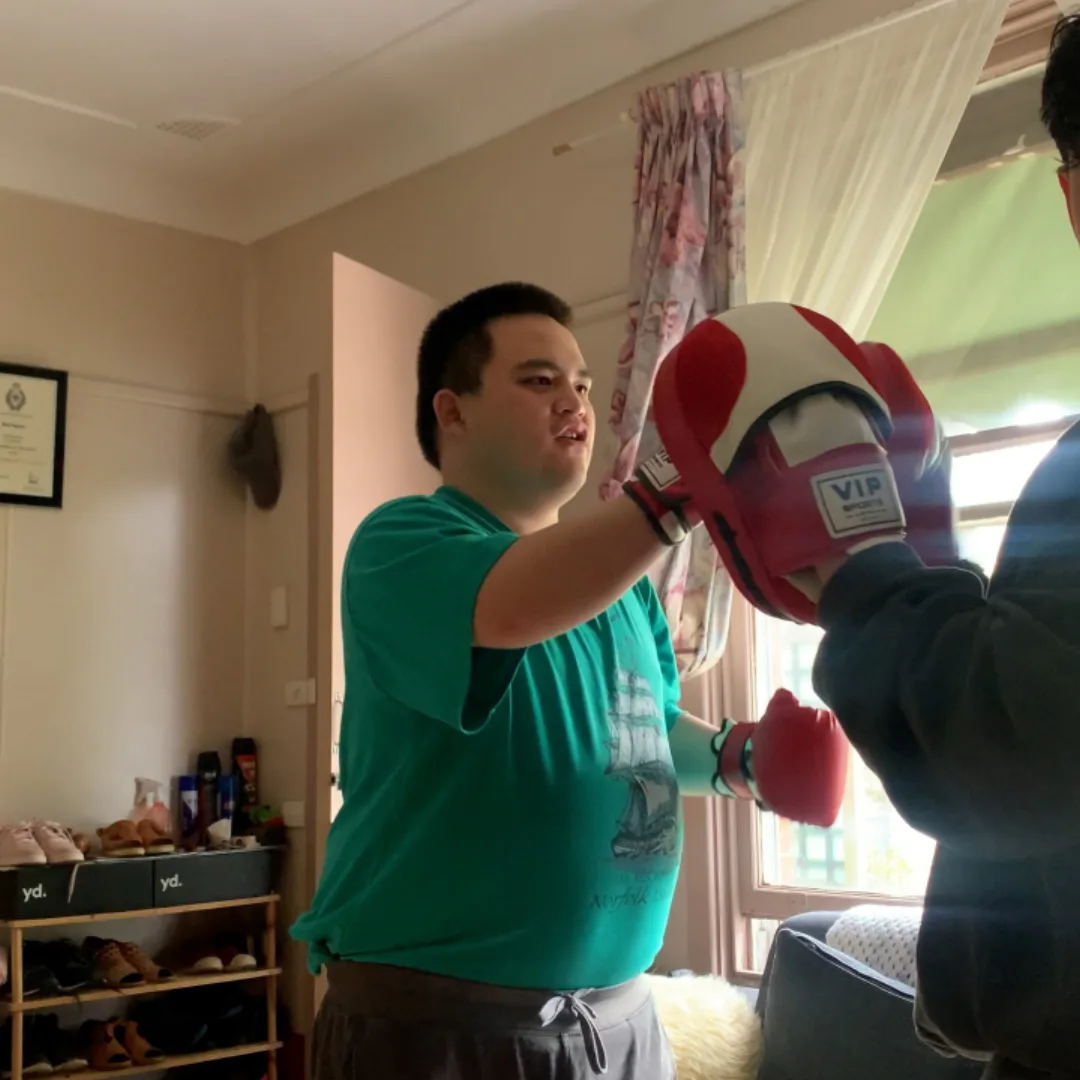

Auslan, lip reading, writing or a mix. You tell us what works.

People across Sydney have worked with our team on movement and fitness.

We come to your home or a local spot, with less background noise.
A useful goal is something you do in daily life. You might want to feel steadier on a walk or have more energy for an activity you enjoy. You choose what comes first.

Balance work for kerbs, stairs, uneven footpaths and busy places, so you feel more sure of yourself getting around.
Getting up off the floor or the couch, carrying the shopping upstairs and keeping on top of jobs around the house.

Stamina and skill for a sport, a team you play with, a gym routine or long walks with friends.
Calling out instructions does not work for everyone. It can also be tiring to lip read all day. We use visual cues and agree on the basics before we start.
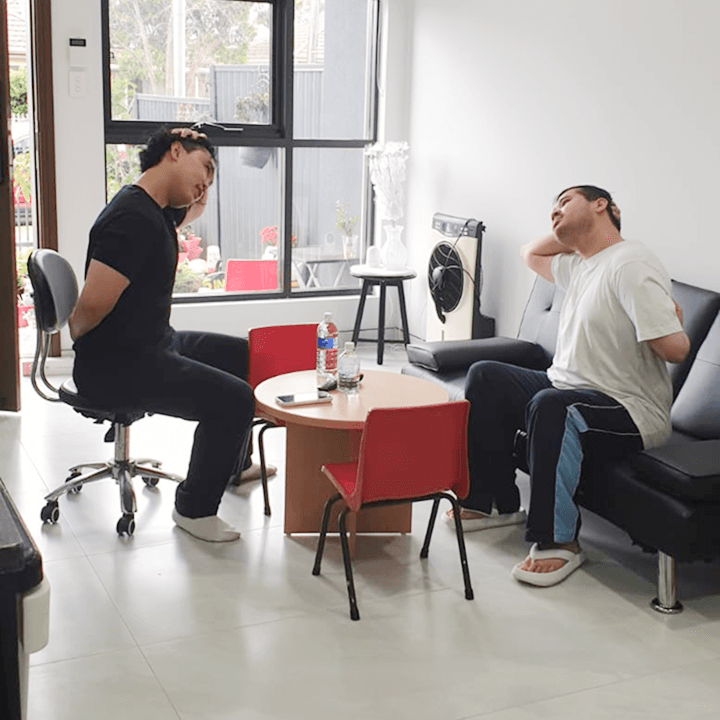
We show each exercise before you try it, and show it again whenever you like. Seeing the movement often says more than any explanation.

We position ourselves where you can see our face and hands, with the light on us rather than behind us. We don't talk while turned away or mid-movement.

Key steps, sets and reminders can go on a card, a whiteboard or your phone, so nothing depends on catching a word.

Before we start, we agree simple visual signals for stop, rest, slow down and "I've got a question". Either of us can use them at any time.
If you've sat through appointments where you missed half of what was said, it's fair to wonder whether exercise sessions will be any different. Here's how we approach it.
Tell us. We can't arrange interpreters yet, so we'll talk through what has worked for you in other appointments and whether demonstration, written notes and agreed signals could carry a session. If it isn't the right fit, we'll say so.
That makes sense, because lip reading takes a lot of concentration. We keep spoken instructions short, check you've understood and switch to writing or showing whenever it helps.
Let us know how you like to manage them during exercise, especially when you're sweating or moving a lot. Instructions stay visible either way, so you're not relying on sound.
We pick a quieter spot where we can and never call out instructions from a distance. If we need your attention, we use the signal we agreed, like a wave where you can see it.
We'll ask how you communicate, assess how you move and plan exercises to work through together each session.

We start with what you want to work on and how you prefer to communicate. Then we assess your strength, balance and fitness, using demonstration and written notes as needed.

Each session follows a pattern you can expect, with the same signals, demos and written reminders, so your energy goes into the exercise rather than decoding instructions.
We check progress against the real task, like the stairs at the station or a game with your team, and adjust the plan as it gets easier.
Hearing loss can sometimes affect balance and movement too, especially as people get older. So we assess balance carefully and build it into your plan if it's relevant to you. Sudden hearing loss, or hearing loss that comes with dizziness, needs a doctor urgently. If you notice either, we'll stop and ask you to get medical help before we continue.
Exercise physiology doesn't treat hearing loss or dizziness, and it doesn't replace your GP, audiologist, ENT specialist or any inner ear balance care you're having. Before you start, it helps to share:
 How you prefer to communicate, and what makes it easier or harderAny dizziness, vertigo or balance problems, and what you've been told about themHearing aids, a cochlear implant or other devices, and anything we should know about them during exerciseOther health conditions and the medicines you takeAdvice from your audiologist, ENT specialist or other clinicians about activityThe signals you'd like to use for stop, rest and questions
Drift Health has served Sydney for more than 8 years, and over 130 families have worked with our exercise physiologists and physiotherapists on movement, fitness and confidence.
Across all of that work, one thing stays the same: we find out how a person takes in information, then change how we coach rather than expecting them to adapt to us. For Deaf and hard of hearing adults, that means more showing and less calling out.
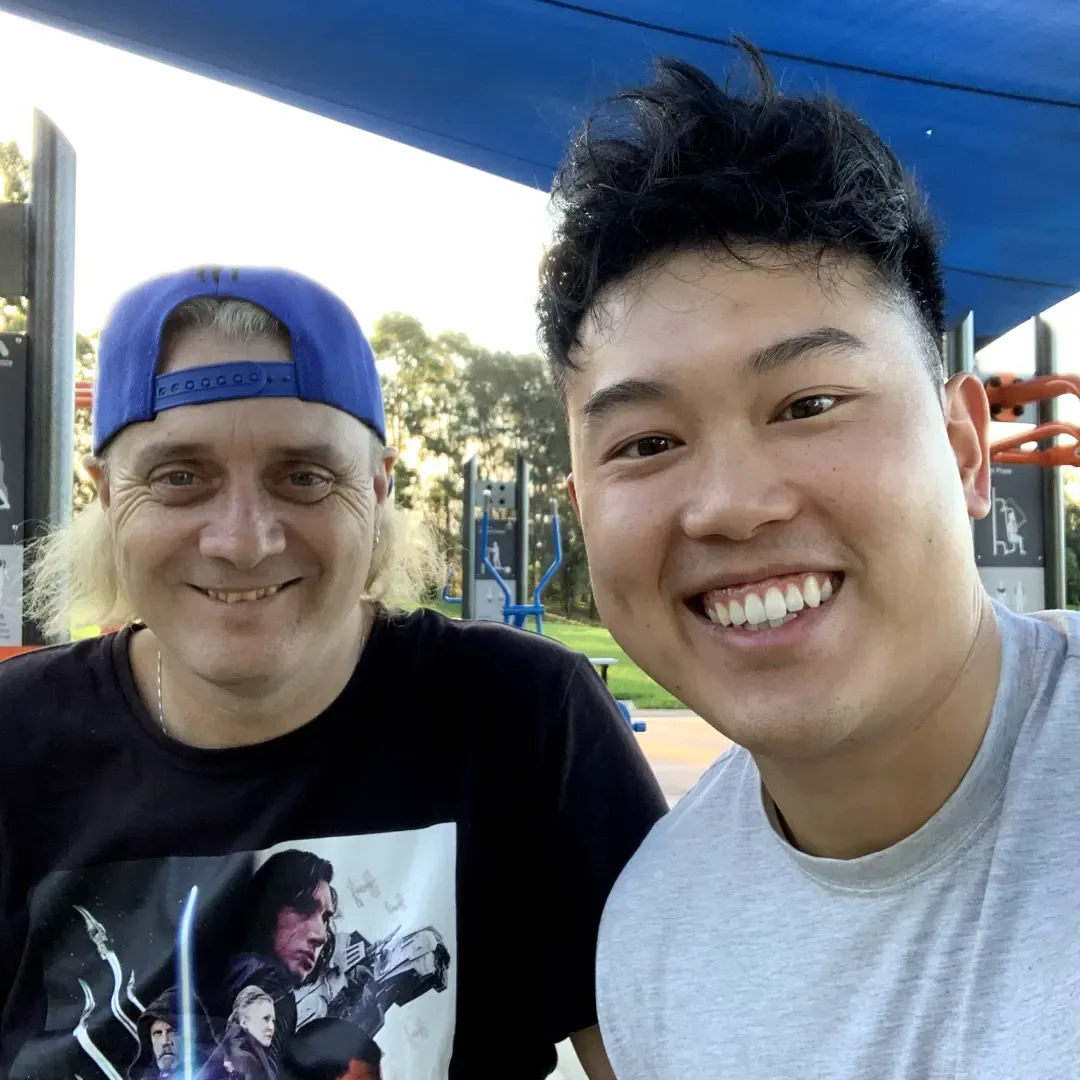
We come to your home or a local spot you know. Home is often easier for communication, with less background noise and lighting you can control, and parks work well when we choose a quiet corner. Tell us your suburb and preferred times so we can check availability.

Liverpool, Fairfield, Campbelltown and surrounding suburbs
Blacktown, Parramatta, Penrith and surrounding suburbs
Ashfield, Marrickville, Burwood and surrounding suburbs
Sydney CBD and nearby suburbs
Castle Hill, Kellyville and surrounding suburbs
Miranda, Cronulla, Sutherland and surrounding suburbs
A note from Victor
I'm Victor, Director and Head Exercise Physiologist at Drift Health. A session only works if you can follow it, and making that happen is our job, not yours.
So before we talk about exercises, we'll ask how you like to communicate. We can't arrange interpreters yet, and I'd rather you know that now. What we can do is demonstrate clearly, write things down, face you and keep checking in until the plan makes sense to you.
Exercise physiology may be funded when it meets NDIS criteria, relates to your disability support needs and fits your plan. We work with self-managed and plan-managed participants, and we'll explain the proposed service, fees and travel before you book paid sessions.
The NDIS funds therapy supports that meet its criteria, in areas such as mobility and movement. Being Deaf or hard of hearing doesn't make exercise physiology claimable on its own.
Drift Health isn't a registered NDIS provider, so NDIA-managed plans can't be used with us.
Your plan manager or the NDIA can confirm how your funding may be used. Not on the NDIS? You can see us as a private client.
Our exercise physiologists lead this work, with physiotherapists on the team when pain or an injury needs their input. We match you with a clinician based on your goals, location and how you like to communicate.
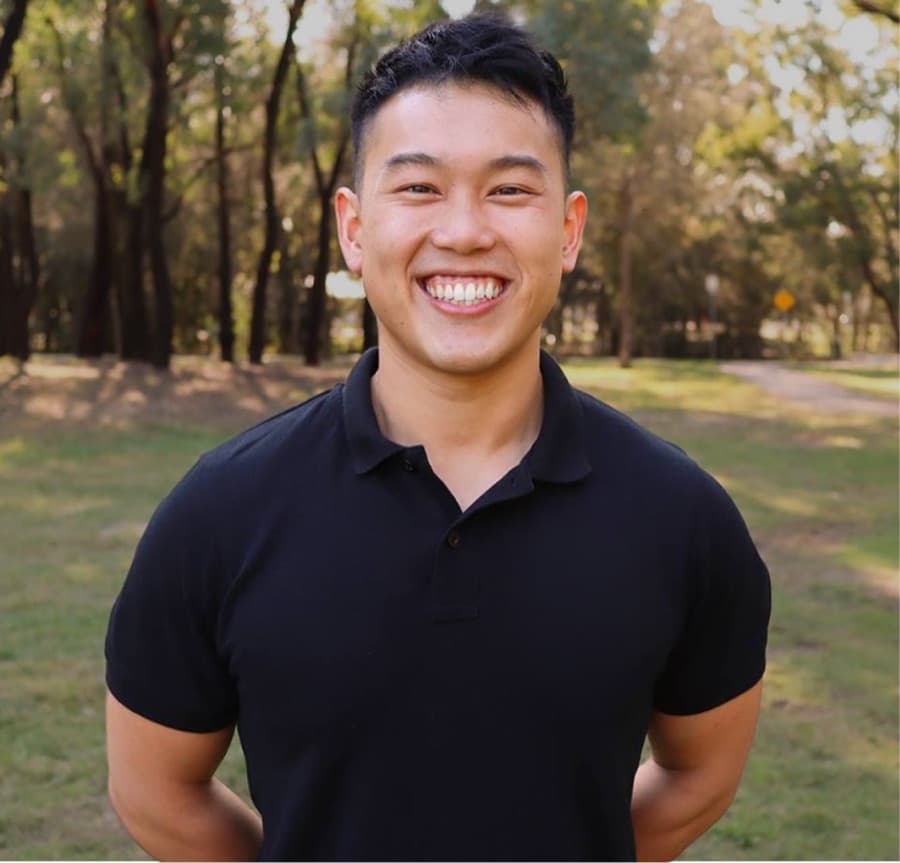
Victor
Director & Head Exercise Physiologist
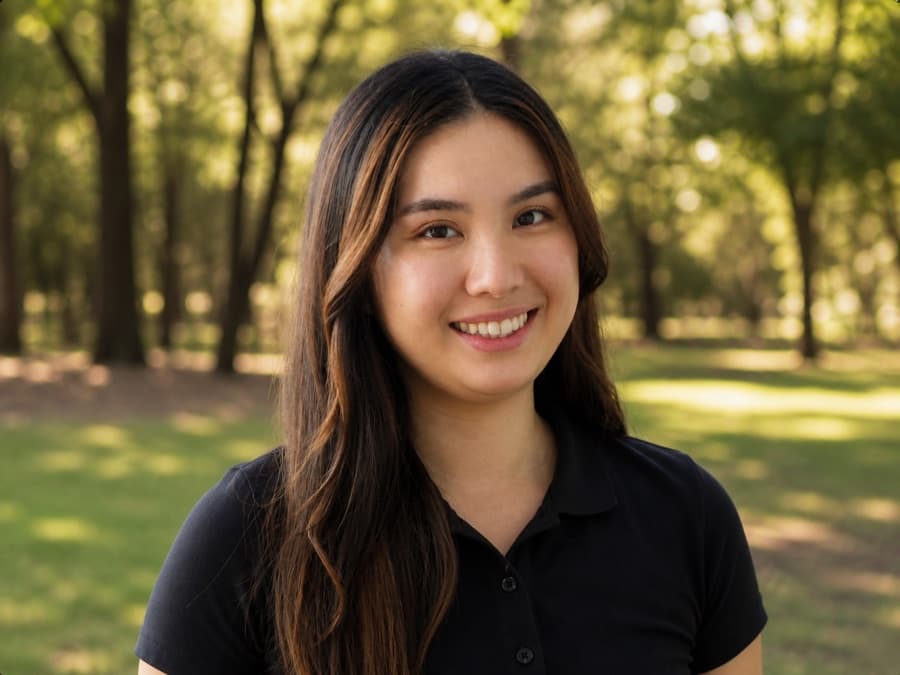
Jennifer
Exercise Physiologist
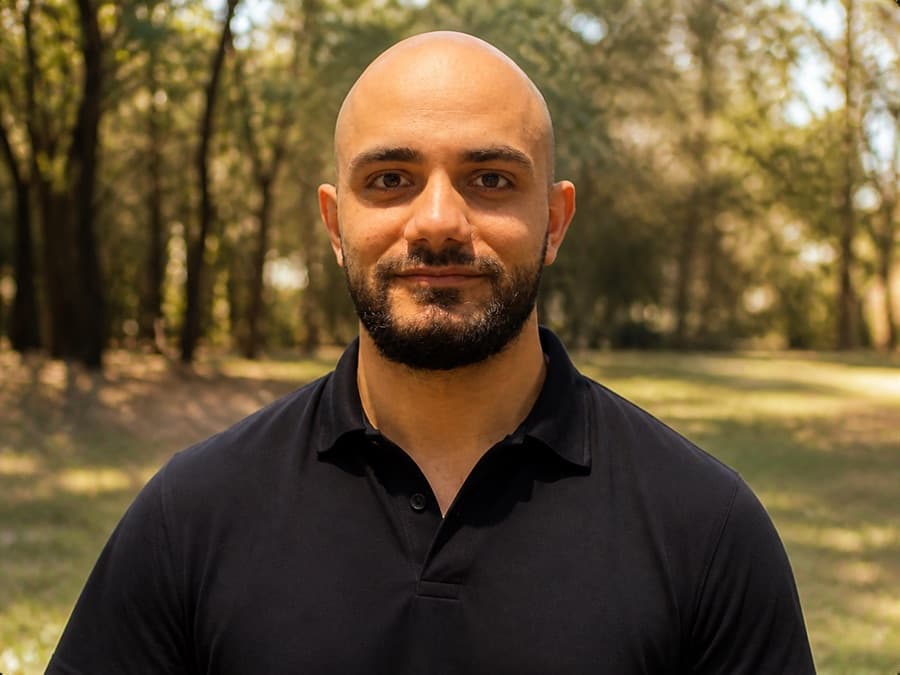
Michel
Exercise Physiologist
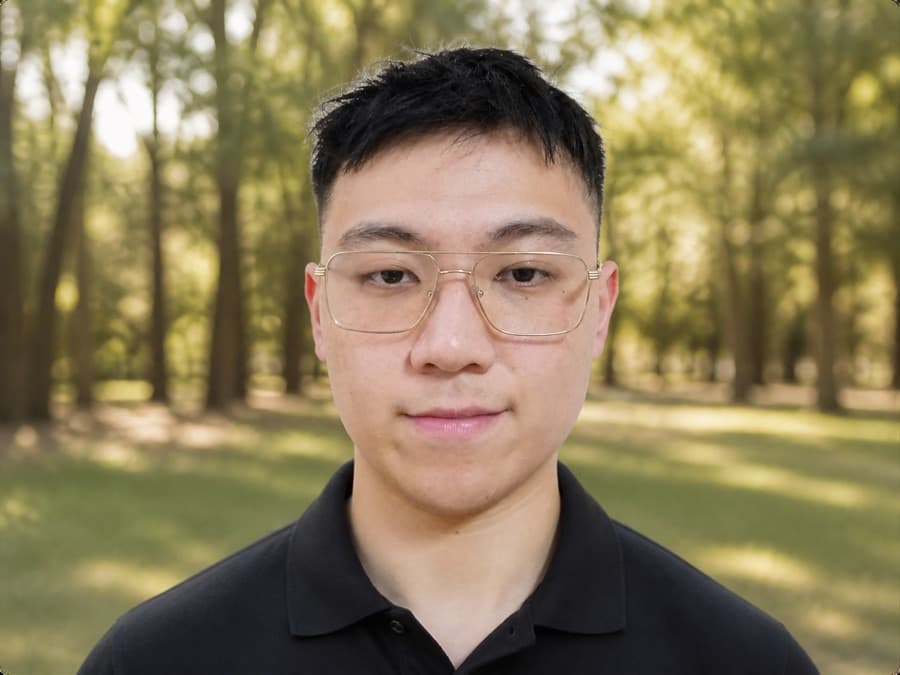
Conan
Exercise Physiologist
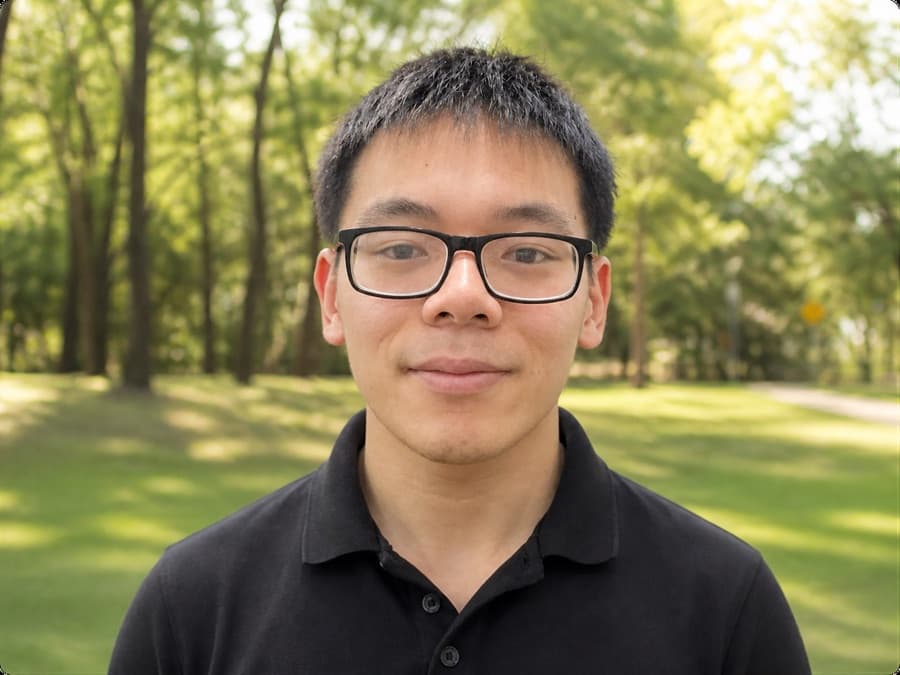
Tony
Exercise Physiologist
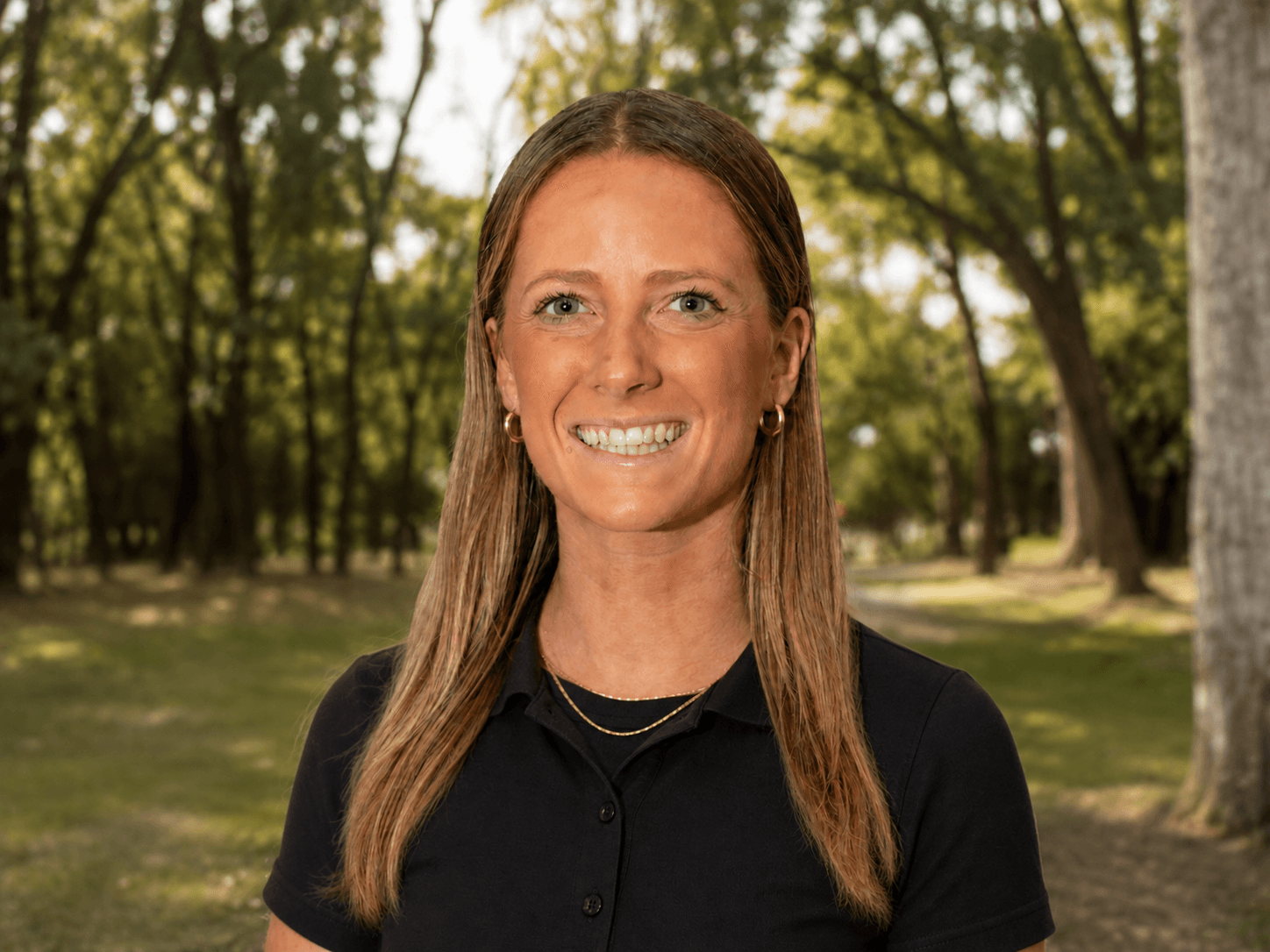
Laura
Exercise Physiologist
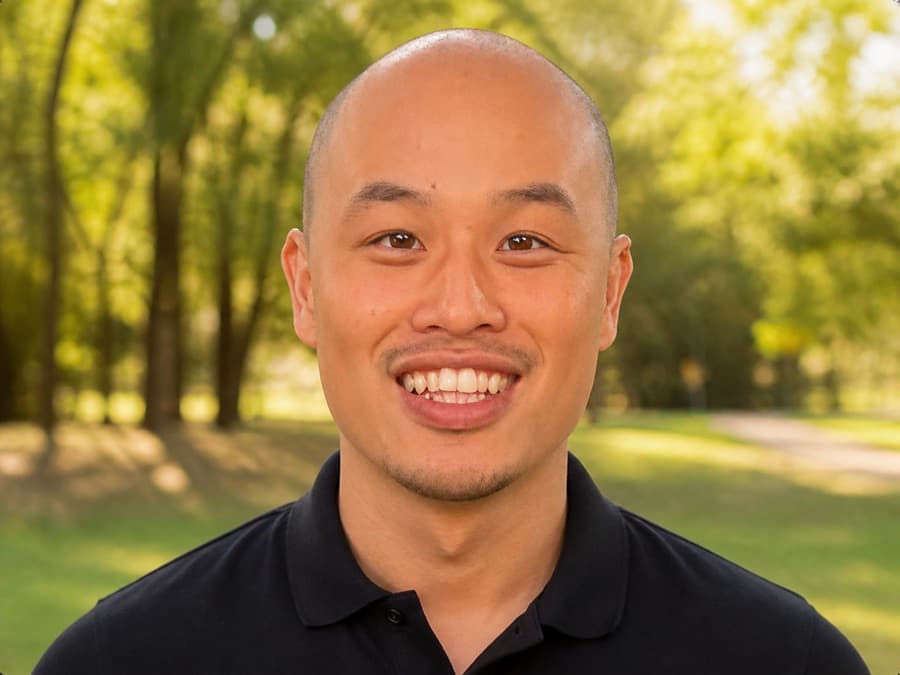
Joey
Physiotherapist
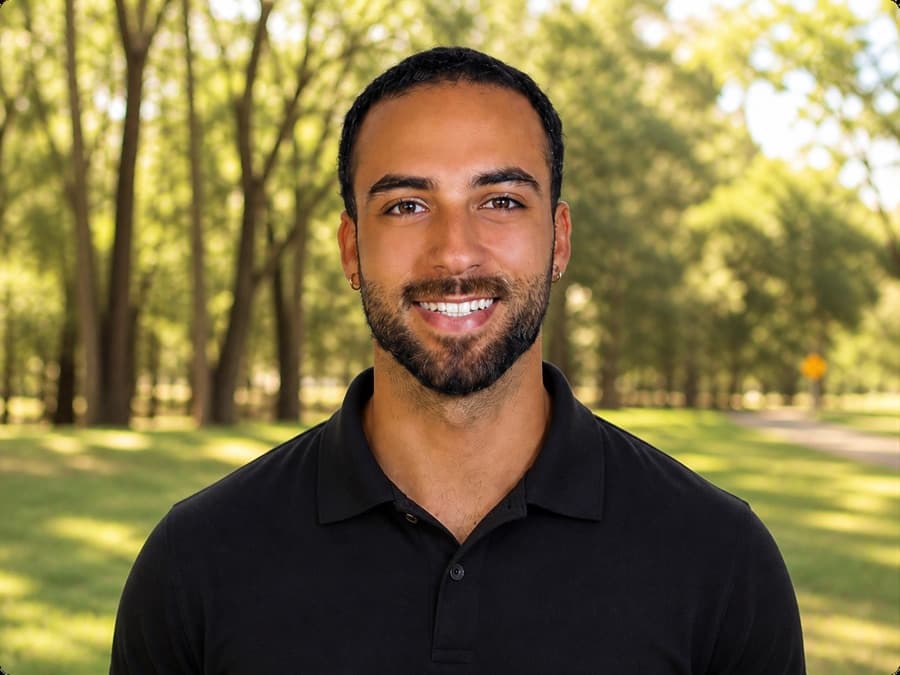
Lucas
Physiotherapist

No. The free Health Check is usually by phone. You can use our contact form and tell us how you want us to reach you, or call through the National Relay Service. We'll work out the easiest way to have that first conversation.
Not yet. We can't arrange or book interpreters at the moment. If you already have a way to manage appointments, tell us and we'll talk honestly about whether it could work for exercise sessions.
“Hearing impairment” is a term many people search for. Others prefer Deaf, deaf or hard of hearing. Capital-D Deaf usually refers to people who are part of the Deaf community and its culture, and many use Auslan. This page is for all of you. We will use the words you prefer.
Balance training can be part of your plan. We'll assess how steady you are in different positions. Dizziness has many possible causes, so if it hasn't been checked, see your GP first. If you're seeing an audiologist, ENT specialist or vestibular physiotherapist, we'll work around their advice.
Yes, when you want them there. They can learn the signals and written cues we use, so practice between visits matches what happens in sessions. They're there to support you, not to speak for you.
No GP referral is needed. You, a family member, a support worker or a support coordinator can get in touch. We reply within 2 business days and can usually start within 7 days.
It may, if it meets NDIS criteria, relates to your disability support needs and fits your plan. We work with self-managed and plan-managed participants. Drift Health isn't a registered NDIS provider, so NDIA-managed plans can't be used with us.
If balance or moving around is part of what you want to work on, these pages may help too. You can also browse every condition we support.
Tell us your goal and how you prefer to communicate. We can discuss whether exercise physiology suits you and what getting started could look like. If you would rather not use the phone, send an enquiry and tell us how to reach you.
A free 15-minute call about your goals and whether we can help.