


A gentle first visit
The first session is mostly talking and a little light movement. Your support worker or recovery coach can be there, and we can meet at home or outside.
Exercise physiologist for psychosocial disability in Sydney
Build fitness, strength and a steadier weekly routine, starting from where you are.
Getting out of the house might feel hard, or your energy and body may have changed since starting a medicine. We can start small: a walk to the end of the street, a few exercises at home or a session that flexes on harder days.
This is physical health support, not mental health treatment. It can sit alongside your mental health team, recovery coach and support workers.
A free 15-minute call about your goals and whether we can help. It's a conversation, not an assessment.


No fitness test to pass. We begin with what feels doable this week.

Sydney families who've worked with our exercise physiologists and physiotherapists.

Sessions at home, in a quiet park or on a walk you already know.
A goal can look modest on paper and still make a real difference to your week. You choose what feels useful and where to begin.

Working up to the walk to the corner shop, the bus stop or the park, with someone beside you at first if that helps.

A regular session time can give the week an anchor. From there, we build towards a little movement on other days too.
Carrying the shopping up the stairs, getting through the cleaning or standing in the kitchen long enough to cook a meal.

Some medicines used in mental health care can affect weight and energy. Exercise is one part of how you and your doctor look after your fitness and heart health.
Some weeks are easier than others. We expect that and plan for harder days from the start, so we can adjust together when they come.
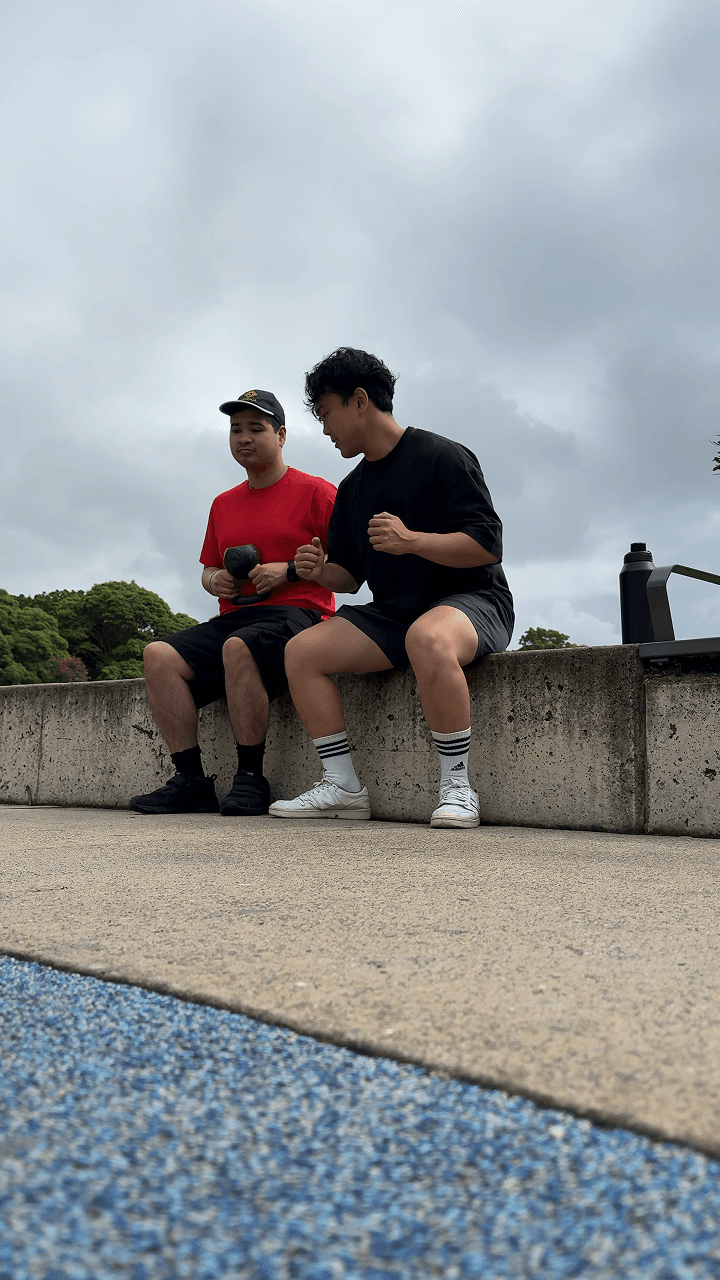
The first session is mostly talking and a little light movement. Your support worker or recovery coach can be there, and we can meet at home or outside.

If today is hard, we can shorten the session, swap to something gentler or walk and talk instead of a full workout.

A regular day and time, the same simple structure each visit and, wherever possible, the same clinician each week.
You can pause, stop or say no to any exercise. We explain what we're doing and why, and we check in rather than push.
If any of these worries sound familiar, you are not alone. Here is how we can approach them.
That's a common starting point. We start with what you can do now, not where you think you should be, and build slowly.
You don't have to. Sessions happen at home, in a quiet corner of a local park or on a walk you know. No mirrors, no crowd.
Let us know as early as you can. We'll go through the cancellation terms in your service agreement before you start, and look at whether a shorter or different session suits those days better.
Only if you agree. With your consent, we can share updates with your GP, psychiatrist, case manager or recovery coach so everyone is pulling in the same direction.
These are the steps we take together. You set the pace, and it is fine if a step takes longer than planned.

We talk about your week, what feels hard right now and one or two things you'd like to do more easily. Then we look at how you move and your energy, without a big fitness test.

We pick a starting level you could manage even on a harder day, then practise it together each session. Your support worker can learn it too, which makes practice between visits easier.
We add a little at a time and check it against real things, like walking to the shops or managing the stairs, and adjust when life or your health changes.
Exercise physiology doesn't diagnose or treat mental illness, and it doesn't replace your GP, psychiatrist, psychologist, case manager or recovery coach. It's one part of your support, focused on movement and physical health. If something changes, like feeling faint, chest pain or a sudden shift in how you're going, we stop and help you contact your doctor or support team.
If you or someone else is in immediate danger, call 000. For 24-hour crisis support, call Lifeline on 13 11 14. Drift Health isn't a crisis service, so please reach out to them rather than waiting for a session.
Before you start, it helps to share:
 Your health history and the medicines you take, including any recent changesSide effects that affect you, such as tiredness, dizziness or changes in weightWho is in your support team, and who you're happy for us to talk toAny safety or wellness plan you already useWhat a harder day looks like for you, and what helpsInjuries, other health conditions or advice from your doctor about exercise
Drift Health has worked across Sydney for more than 8 years, and over 130 families have worked with our exercise physiologists and physiotherapists on fitness, strength and confidence.
What helps most is simple and steady: start small, keep a regular time, turn up when we say we will and adjust when life gets in the way.

We come to your home, a local park or a walking route you know, so there's no waiting room to face. If the weather turns, we can move to a sheltered spot, your home or another venue (any venue cost is yours). Tell us your suburb and preferred times so we can check availability.

Liverpool, Fairfield, Campbelltown and surrounding suburbs
Blacktown, Parramatta, Penrith and surrounding suburbs
Ashfield, Marrickville, Burwood and surrounding suburbs
Sydney CBD and nearby suburbs
Castle Hill, Kellyville and surrounding suburbs
Miranda, Cronulla, Sutherland and surrounding suburbs
A note from Victor
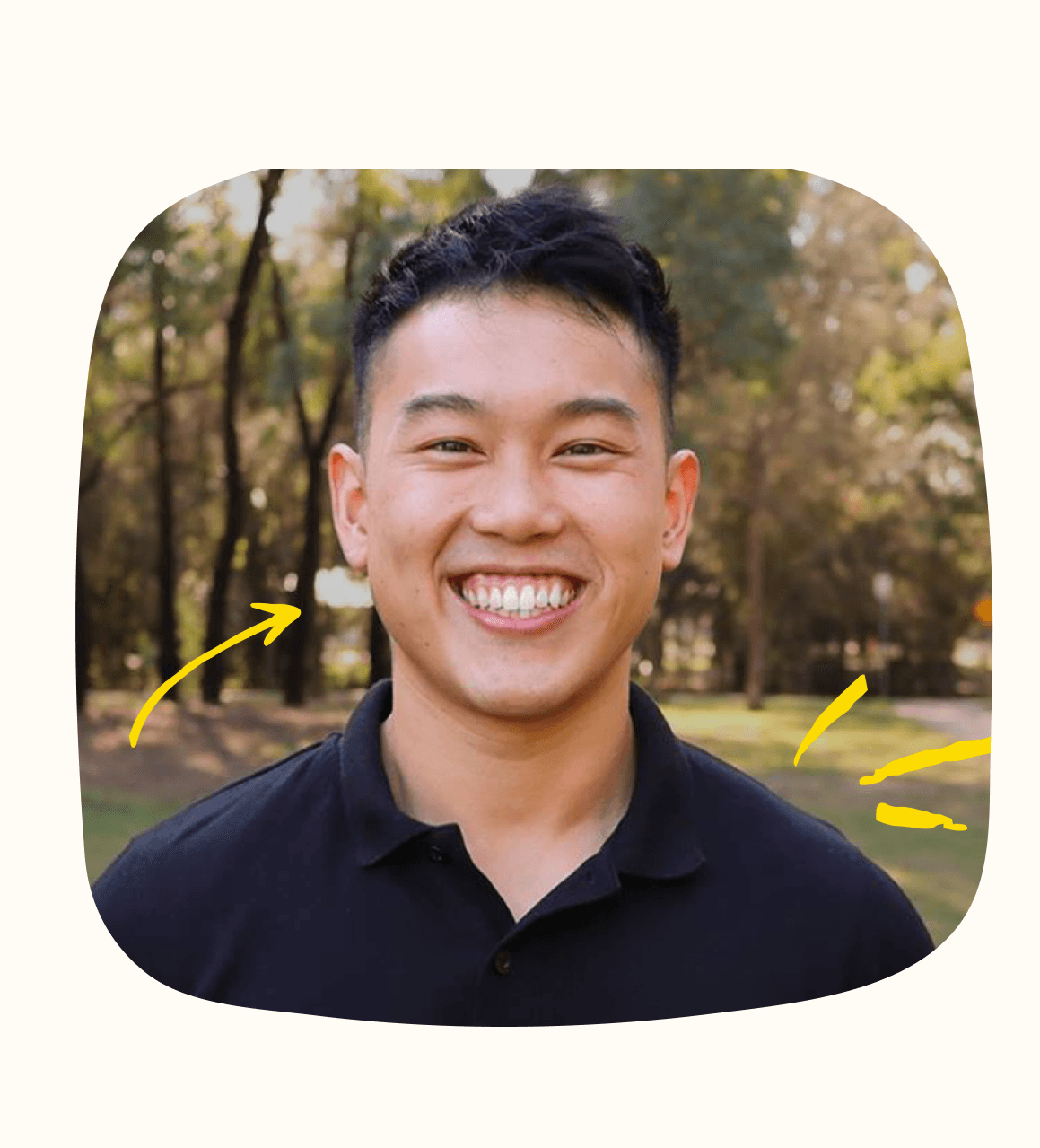
I'm Victor, Director and Head Exercise Physiologist at Drift Health. When someone hasn't moved much for a while, the first goal is usually just to start, and then to keep going. A short walk you do every week can be worth more than a hard workout you dread.
We'll talk with you about what's realistic right now and build from there. If your recovery coach, support worker or someone close to you helps you plan your week, we'd like to hear from them too.
Exercise physiology may be funded when it meets NDIS criteria, relates to your disability support needs and fits your plan. We work with self-managed and plan-managed participants, and we'll explain the proposed service, fees and travel before you book paid sessions.
The NDIS describes therapy supports as helping with everyday skills, including psychosocial functioning and getting around. Goals tied to daily life, like getting to the shops, are easier to link to your plan than general fitness.
Exercise physiology is often funded through Improved Daily Living or Improved Health and Wellbeing. The category that applies depends on your plan and the support proposed.
A recovery coach, support coordinator or plan manager can help you check how your budget may be used. We can explain the service, but we can't approve funding.
Our exercise physiologists lead this work, with physiotherapists on the team when an injury or pain needs their input. We match you with a clinician based on your goals, your suburb and what you tell us helps you feel comfortable.
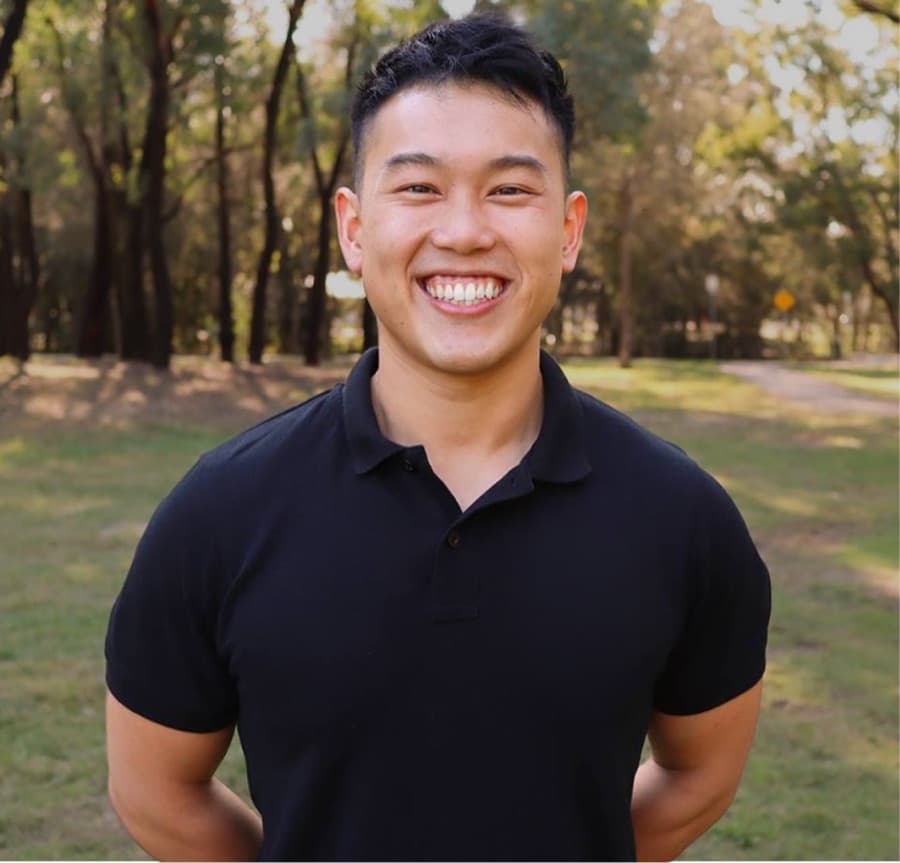
Victor
Director & Head Exercise Physiologist
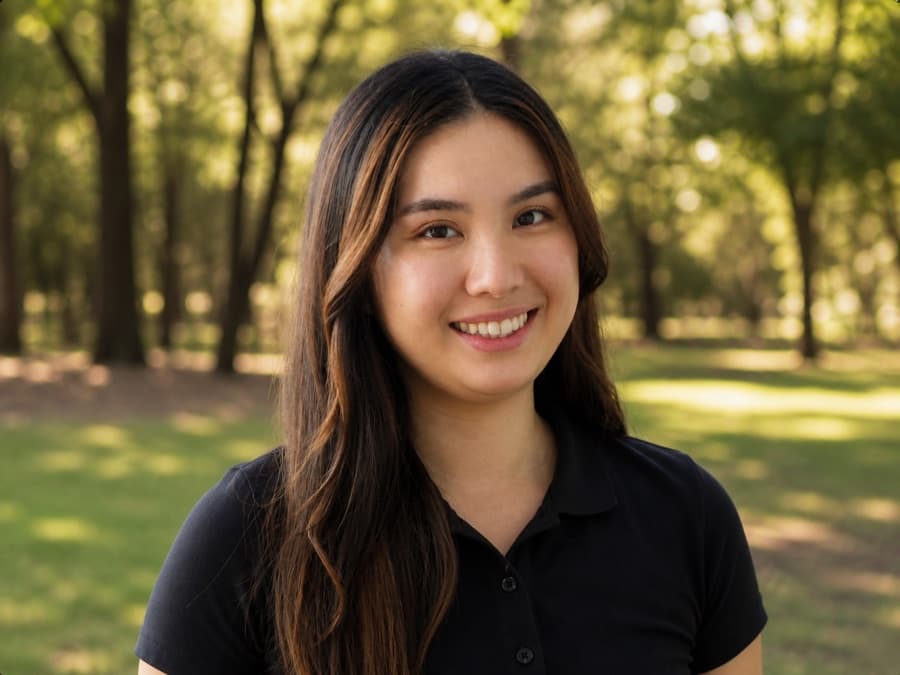
Jennifer
Exercise Physiologist
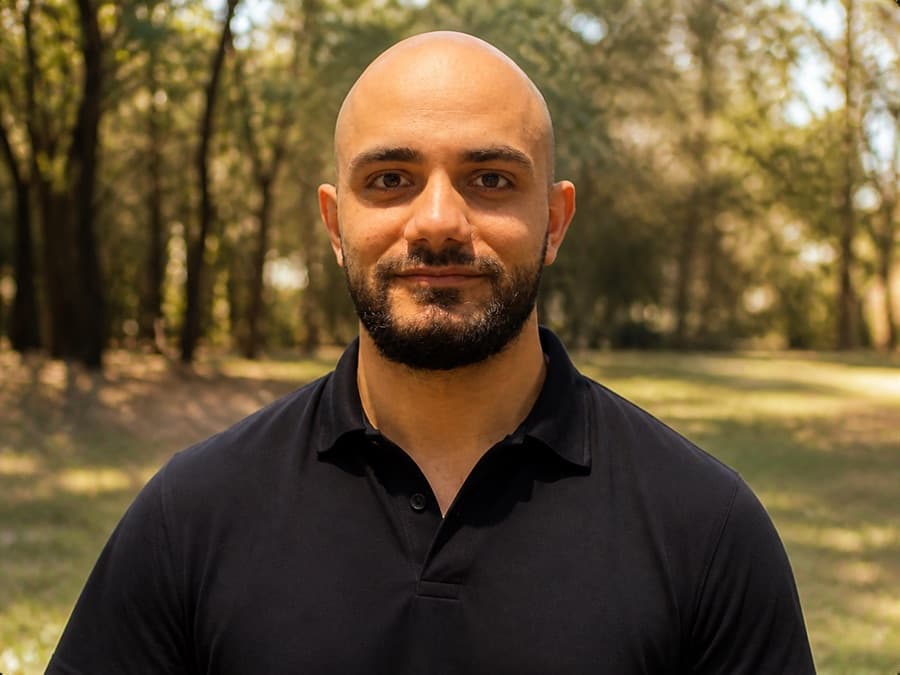
Michel
Exercise Physiologist

Conan
Exercise Physiologist

Tony
Exercise Physiologist
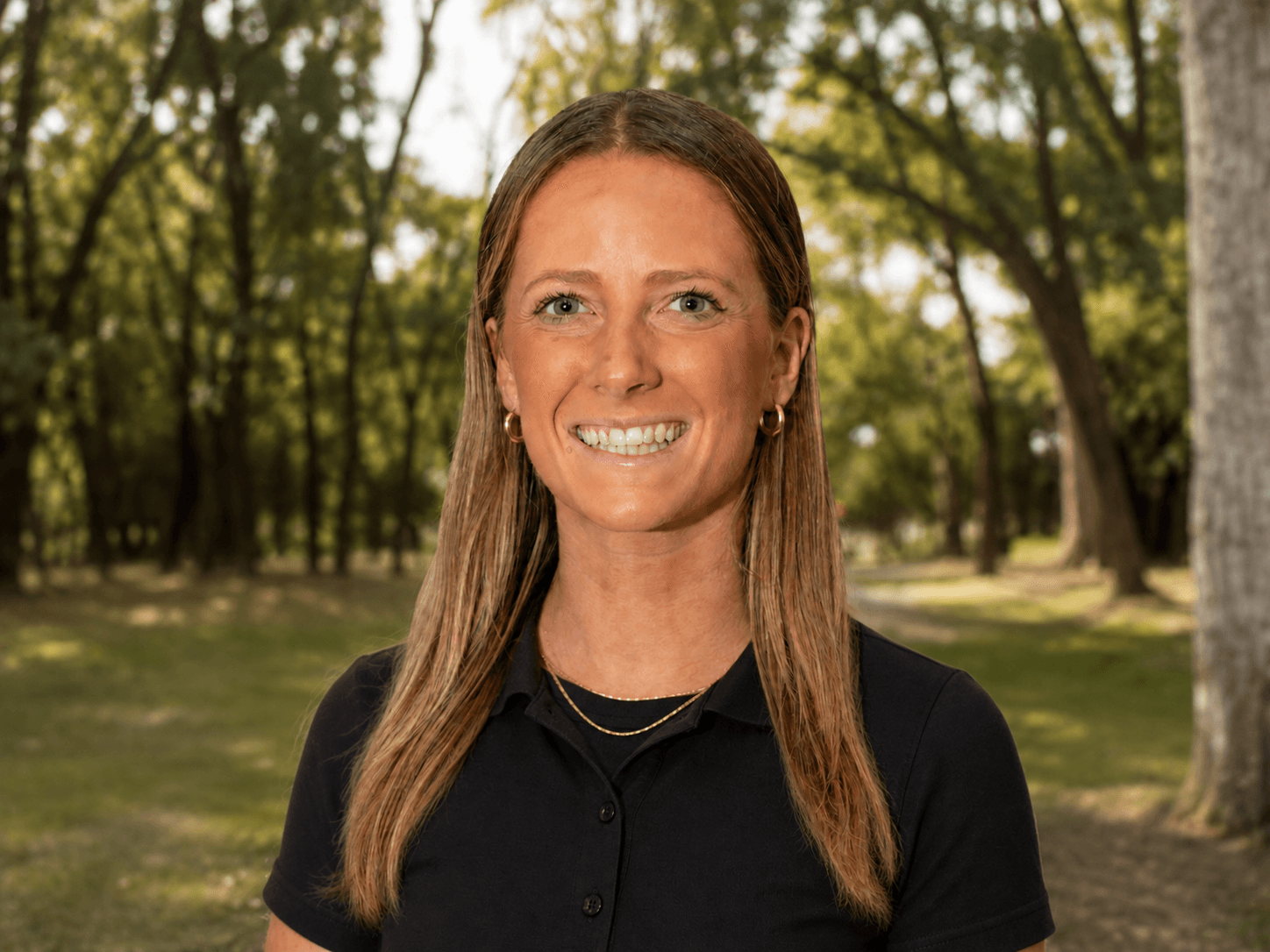
Laura
Exercise Physiologist
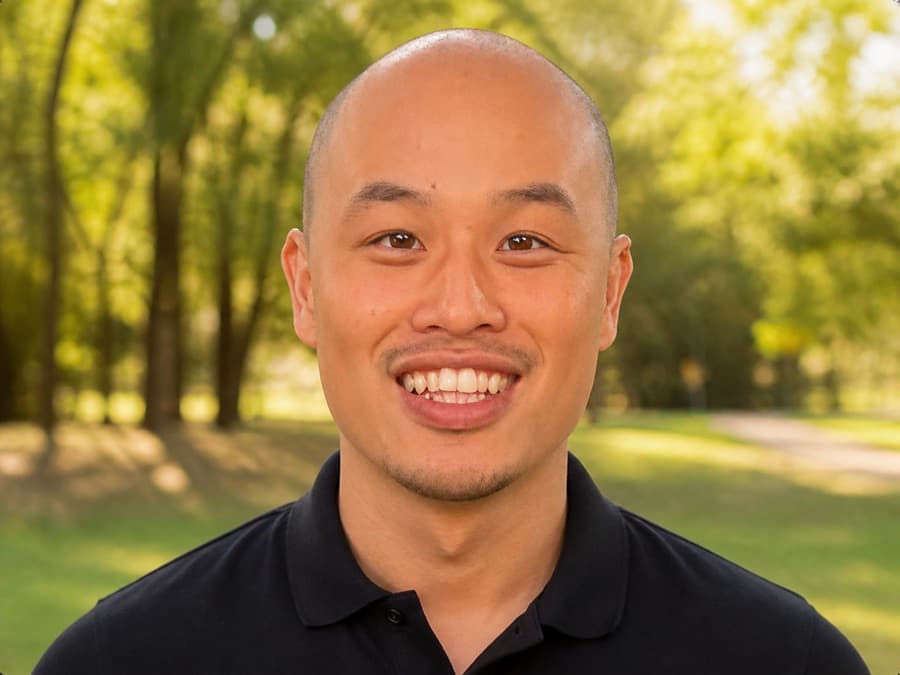
Joey
Physiotherapist
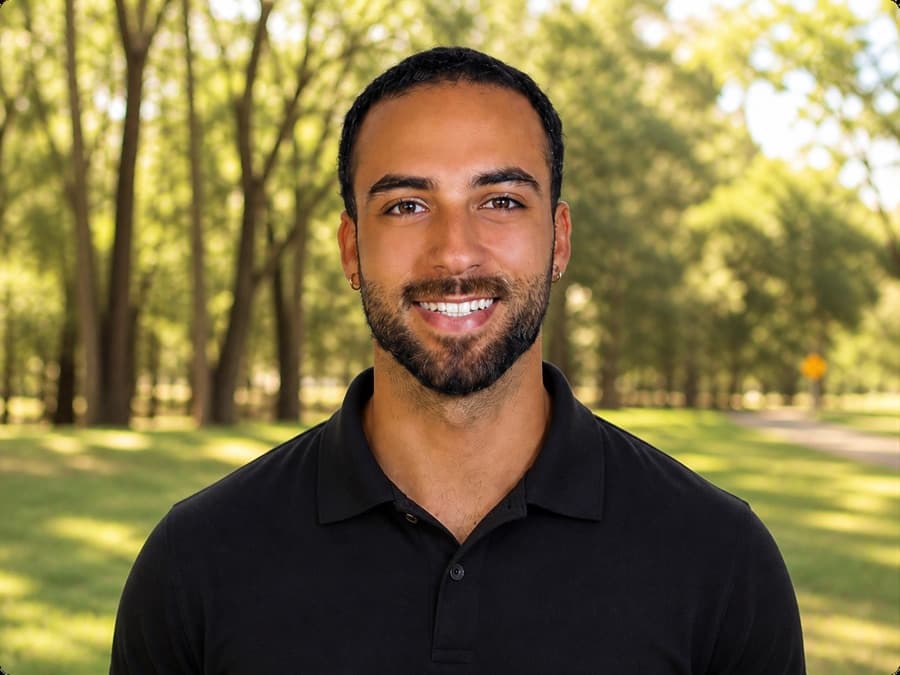
Lucas
Physiotherapist

No. Exercise physiology focuses on movement, fitness and physical health. It can sit alongside your mental health care, and with your consent we keep your team in the loop. It doesn't replace your doctor, psychologist, psychiatrist or recovery coach.
Tell us, even at the door. We can shorten the session, choose something gentler, take a slow walk and talk, or stop for the day. We'd rather adjust than ask you to push through something that doesn't feel right.
Some medicines used in mental health care can cause tiredness or weight gain. Exercise can help you build fitness, strength and energy for daily life, alongside your doctor's advice. We don't advise on medicines. Talk with your doctor before changing how you take them.
Yes, if you'd like them there. They can help with getting started, getting to a park or practising between visits. A recovery coach or support coordinator can also make the referral for you.
No. You, a family member, a support worker or a support coordinator can contact us. We reply within 2 business days and can usually start within 7 days, depending on your suburb and preferred times.
It may be funded if your plan is self-managed or plan-managed and the support meets NDIS criteria. Drift Health isn't a registered NDIS provider, so NDIA-managed plans can't be used with us. Your plan manager or recovery coach can help you check your budget.
Call 000 if you or someone else is in immediate danger. For 24-hour crisis support, call Lifeline on 13 11 14. Drift Health isn't a crisis service, so contact them straight away rather than waiting for a session.
If physical health is one piece of a bigger picture, these pages explain other ways we work with adults across Sydney.
Tell us what feels hard, what you would like to do more often and who is in your support team. We can talk through whether exercise physiology suits you and what a gentle start might look like.
A free 15-minute call about your goals and whether we can help.